Slate Team

Key Takeaways
Online authenticity in 2026 is a strategic advantage for any business, directly driving trust, engagement, and organic growth—not just a marketing buzzword.
86% of consumers prioritize authenticity when deciding which brands or individuals to support.
Audiences, especially Gen Z and Gen Alpha, quickly detect inauthentic content and reward brands showing consistent values, transparency, and real people. Authenticity is crucial for building trust and engagement in digital communities.
90% of millennials believe brand authenticity is essential, leading to brand loyalty and recommendations.
Research indicates that 81% of consumers must trust a brand before buying.
Tools like Slate help teams stay visually consistent and operationally efficient, freeing them to focus on genuine storytelling.
Being authentic does not mean oversharing; it means aligning what you say, how you look, and what you do across your entire digital presence.
Brands need clear guidelines, feedback loops, and long term success strategies to keep their online authenticity credible as platforms evolve.
What Online Authenticity Really Means Today
Between 2018 and 2024, “authentic” became one of the most overused words in digital marketing. Brands threw it into campaigns like confetti—staged vulnerability, forced relatability, and trendy cause hashtags without substance. Then audiences got wise.
By 2025-2026, consumers started demanding proof. Online authenticity is the consistent, transparent, and genuine presentation of oneself or a brand. Online authenticity also refers to the alignment of an entity's digital presence with its real-world values, identity, and actions. Now, online authenticity means the alignment of a brand’s stated core values, visible behavior, and audience experience across websites, social media, email, and creator content.
The key difference: “looking authentic” relies on performance. “Being authentic” requires consistent action.
Authenticity is observable over time. It shows up in your consistent voice, visual identity, posting cadence, and how you respond to both praise and criticism. This applies whether you’re establishing personal branding as a founder or establishing communications for a company with hundreds of employees.
Being authentic online matters because it helps brands build trust with their audience.
Why Online Authenticity Matters for Brands in 2026
The post-2023 AI content explosion changed everything. When anyone can generate polished online content in seconds, audiences became skeptical of anything that feels generic or manufactured. Add TikTok’s dominance in social search—with roughly 40% of younger audiences starting product discovery there—and you have consumers who can smell fake messaging instantly.
Brand authenticity directly affects your bottom line:
Watch times increase 25-30% for transparent behind-the-scenes content
Email open rates climb 15-20% higher with conversational tones
Customer acquisition costs drop through organic growth and community loyalty
Gen Z and Gen Alpha expect transparency in product origins, team compositions, and where you stand on social issues. Research shows that authenticity is of critical importance to build trust with Gen Z audiences. Audiences, especially younger audiences, are increasingly seeking brands that feel real, relatable, and trustworthy, making authenticity critical to business success. Research shows that authenticity in external communications significantly impacts performance, particularly in building trust with Gen Z audiences. The 2020 wave of performative activism—brands posting black squares without internal changes—taught audiences to look for contradictions. Today, consistent DEI actions yield 2x loyalty gains, while one-off gestures lead to 35% trust drops.
Consider two scenarios: a brand that only appears during big launches versus one that shows behind-the-scenes work, admits mistakes, and responds to comments year-round. The latter builds lasting loyalty because they engage directly with their community consistently.
In digital marketing, marketers use social media management tools and analytics platforms to create authentic content, plan campaigns, and engage with their audience effectively, ensuring that authenticity remains at the core of their strategies.
Core Principles of Authentic Online Presence
Five principles guide an authentic online presence:
Principle 1 – Clarity: Define your brand persona, values, and mission before posting. Every post should feel like it comes from the same person. Staying true to your core values ensures your messaging remains authentic. Test question: “Would our team say this in a real meeting?”
Principle 2 – Consistency: This spans visual identity (colors, fonts, templates), tone of voice, posting cadence, and how you react under pressure. Maintaining a consistent voice and authentic presence across platforms is key—your Instagram personality should match your website.
Principle 3 – Transparency: Share context on decisions, policy evolutions, and occasional missteps. Publishing revision notes after updating a controversial post builds more respect than pretending it never happened.
Principle 4 – Humanity: Show real people—employees by name, customer stories, unscripted clips. Consumers connect with faces, not faceless logos or corporate jargon.
Principle 5 – Boundaries: Authentic brands have clear “no-go” areas. Not commenting on topics you don’t understand, not exploiting tragedies for clicks—these restraints actually increase audience respect. Establishing digital boundaries can help content creators maintain privacy while still connecting with their audience authentically.
From Performative to Genuine: Avoiding Common Authenticity Traps
Many brands fell into performative authenticity between 2020-2024. Recognizing these traps helps you avoid them.
Pain-as-content: Overexposing trauma purely for engagement harms both audiences and creators. Authenticity online is often misconstrued as the need to share personal pain, which can create a conditional construct around being real. Sharing stories from dark times can foster connection, but it's important to recognize the power that comes from talking about experiences and lessons learned, not just pain. Studies showed 28% higher burnout among oversharers.
Trend-hopping without roots: Joining every viral cause—temporary flags in bios, one-day gestures—without changing internal practices reads as hollow to your target audience.
Algorithm chasing: Producing exaggerated “relatable” skits because they perform well, even when they contradict your expertise or values.
These tactics show up in comments: “this feels off,” accusations of faking it, declining engagement quality. The internet remembers, and your community notices inconsistency.
Practical Steps to Build Authenticity Across Channels
Building an authentic online presence requires tactical execution across every channel. To build trust, it's important to share both triumphs and struggles with your audience. The same authentic stories, values, and visuals should appear everywhere—adapted to each platform’s format. Make it a point to interact with your audience by responding to comments, messages, and feedback, as this deliberate engagement fosters authenticity and deeper relationships.
Making Social Media Content Feel Real (Without Losing Control)
For platforms like Facebook, Instagram, TikTok, and LinkedIn:
Show in-progress work: day-in-the-life clips from designers, product builds, campaign brainstorming sessions
Balance polished posts with lo-fi updates using consistent templates through tools like Slate
Write honest captions—share what you learned from underperforming posts and how you adjusted
Highlight team members by name and role with origin stories that reinforce company values
Use polls, Q&As, and comments as two-way conversations, responding visibly and respectfully. Engaging with your audience through comments, questions, and polls can help gauge their interactions and improve brand loyalty.
Social media management platforms can help brands maintain a consistent voice and monitor engagement in real time, which is essential for authenticity.
This creates genuine connection rather than broadcast-style advertising.
Websites, Blogs, and Long-Form Content That Match Your Social Persona
The risk: a social feed that feels fun and human while your website reads like a 2010 corporate brochure.
Rewrite About, Careers, and Product pages in your social voice
Add behind-the-scenes blog posts documenting decisions from 2024-2026 with specific dates
Share ideas for lessons learned or reflections on personal experiences to foster online authenticity
Use real team photos instead of stock imagery
Create transparent case studies showing initial problems, obstacles, and what you’d do differently
Email, Newsletters, and Direct Communication
Email remains one of the most intimate channels. Make it count by being fully present in your direct communications:
Use a real team member’s name as sender
Include contextual intros explaining why this email matters now
Acknowledge unsubscribes respectfully with clear opt-down options
Invite feedback through surveys and direct reply prompts, then share what changed
Working with Creators and Influencers Authentically
Creator partnerships can make or break perceived authenticity after several influencer scandals between 2021-2025.
Prioritize value alignment over follower count
Give creators creative freedom within clear guidelines
Ensure transparent sponsorship disclosures
Showcase the partnership process itself when appropriate
Setting Boundaries: Being Real Without Oversharing
Many people now equate authenticity with radical transparency. This is both unsafe and unsustainable.
Boundaries protect authenticity by keeping your mission not raw emotion at the center of communications. Create a “red line” list: topics you won’t comment on publicly, such as unverified breaking news or individual employee disputes.
Develop an internal content boundary document outlining what can be shared about operations, team life, and leadership decisions. Use time buffers of 24-72 hours before posting about crises or emotional stories.
When sharing online, maintaining privacy with family and friends is crucial. Ongoing efforts to set and maintain boundaries with loved ones help foster trust, emotional safety, and genuine online authenticity.
Content Type | Public | Community Only | Private |
|---|---|---|---|
Product launches | ✓ | ✓ | |
Team celebrations | ✓ | ✓ | |
Leadership changes | ✓ | ||
Internal conflicts | ✓ | ||
Unverified news | ✓ |
Healthy Vulnerability vs. Emotional Exhibition
Healthy vulnerability means sharing processed experiences and lessons—not live, unfiltered breakdowns for engagement.
Audiences respect when brands admit uncertainty or past mistakes, especially when explaining what will change. Before publishing personal content, use this checklist: Is this true? Necessary? Kind to myself and others? Aligned with our mission?
How Slate Helps Teams Operationalize Online Authenticity
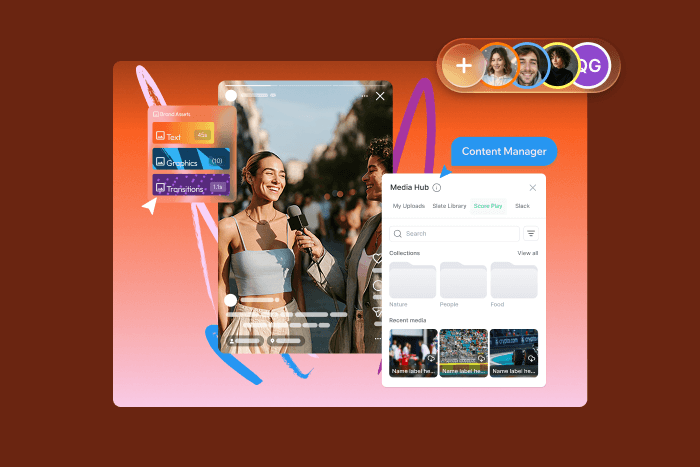
Authenticity at scale requires systems. Slate provides shared templates, fast approval workflows, and easy access to brand assets so teams can post in real time without going off-brand.
Slate enables teams to create platform-optimized social posts, Stories, and Reels that stay visually consistent while allowing local teams to add their own voice. Use cases include event coverage, product launches across different markets, and ongoing employer branding on LinkedIn and TikTok.
By simplifying design and workflow, Slate frees content creator teams to focus on real storytelling, honest captions, and genuine engagement—turning authenticity from a vague goal into repeatable daily practice.
Measuring Authenticity: Signals You’re On the Right Track
Authenticity isn’t a single metric. It shows up in patterns across engagement, sentiment, and long-term behavior.
Track these signals:
Comment quality: depth, specificity, and repeat names matter more than likes
Brand sentiment: look for phrases like “feels real,” “transparent,” or “trustworthy” in social listening data
Retention: newsletter stay rates, repeat customers, community members appearing across platforms
Surveys: ask whether content feels honest and aligned with your stated values
Set quarterly review cadences where teams assess if recent campaigns matched stated values. Document changes made as a result—this becomes part of your content strategy evolution.
FAQ
Is online authenticity different for small personal brands and large companies?
The core principles—clarity, consistency, transparency, humanity, and boundaries—remain the same. However, individuals can pivot faster and show more personal detail, while organizations need clear policies and training to keep many voices aligned. Large brands often benefit from empowering visible “faces of the brand” while using tools like Slate to keep supporting content consistent.
How can we stay authentic when we use AI and automation in our content?
Be transparent about where AI assists and where humans make final decisions. Maintain a clear voice guide so AI outputs sound like your real team. Pair AI efficiency with human elements—names, specific dates, concrete experiences—to keep content grounded and trustworthy in this digital world.
What should we do if our brand has already been called “fake” or inauthentic online?
Acknowledge past missteps directly without defensive language. Publish specific commitments and timelines showing what has changed. Consistent follow-through over 6-12 months matters more than any single apology—foster trust through sustained behavior, not statements.
How often should we share behind-the-scenes content?
Start with 1-2 behind-the-scenes posts per week alongside regular product and educational content. Watch analytics to see which stories resonate with younger audiences, then adjust. Quality and relevance matter more than volume—even monthly, well-crafted pieces significantly increase perceived authenticity.
Can a highly polished visual brand still be perceived as authentic?
Absolutely. Polish and professionalism don’t automatically mean fake—the issue is mismatch between visuals and behavior. When beautiful content created with tools like Slate is paired with honest messaging and genuine responses, audiences interpret it as “care” rather than “manufactured.” Stand behind your production quality with transparent actions.