Slate Team

Want to grow your social media presence? The widespread usage of social media across various demographics makes these platforms essential for business growth. This guide provides practical tips to increase your followers, boost engagement, and enhance online impact across many social media platforms, each offering unique opportunities for different marketing objectives. Discover strategies like audience understanding and influencer partnerships inside.
Introduction to Social Media
Social media has become an indispensable part of modern business, offering unparalleled opportunities to connect with your target audience and increase brand awareness. With a wide variety of social media platforms available each catering to different user demographics and interests businesses must develop a thoughtful social media strategy that aligns with their overall marketing goals. Effective social media marketing empowers small business owners to reach broader audiences, generate leads, and establish a strong online presence. By leveraging social media analytics and focusing on creating engaging content, companies can foster meaningful relationships with their customers, drive website traffic, and ultimately boost sales and revenue. Whether you’re a small business or a growing enterprise, a strategic approach to social media is essential for long-term success.
Key Takeaways
Understanding your target audience is essential for crafting tailored, engaging content that resonates across various platforms.
Implementing a comprehensive social media strategy with clear goals, consistent posting, and effective resource allocation maximizes ROI and engagement.
Leveraging analytics tools, influencer partnerships, and advanced features can enhance your social media presence and optimize audience interactions.
Understand Your Target Audience
Understanding your target audience is crucial for any successful social media marketing strategy. Knowing who they are and what they care about enables you to create engaging and interesting content that resonates with the right audience. This knowledge helps tailor your efforts to meet their needs and preferences.
Effective audience analysis can uncover growth opportunities and enhance the ROI of your marketing plan. Analyzing demographics such as age, gender, and income, along with other relevant data points, informs your content strategy, ensuring your efforts reach the right people. Understanding social media behaviors also helps identify the best platforms to engage your audience.
Tailoring content to particular platforms is essential since audiences engage differently across sites. Younger users may prefer visually-driven platforms like Instagram and TikTok, where short form videos are particularly popular ile older demographics might be more active on Facebook. Understanding these behaviors helps create targeted, relevant content that captures your audience’s attention.
Evaluating and choosing the right platforms for social media marketing is essential to effectively reach your target audience and maximize your marketing impact.
A deep understanding of your target audience informs every aspect of your strategy. It helps create content that attracts new customers, engages existing ones, builds brand awareness, and drives interactions. This foundation is crucial for developing a comprehensive social media strategy.
Develop a Comprehensive Social Media Strategy
A well-crafted social media strategy is key to achieving business goals and maximizing impact. Start by setting clear goals, such as:
Increasing brand awareness
Driving engagement
Generating leads
Boosting conversions
A social strategy is a comprehensive, ongoing plan that integrates content creation, engagement, and analytics to ensure continuous improvement and alignment with business objectives.
Specific objectives will guide your plan and measure success.
Choosing the right social media platforms is vital for effective promotion. Consider the following:
Focus on the platforms your target audience uses most.
Small businesses might benefit from limiting profiles to two or three manageable multiple platforms.
Actively managing multiple social media accounts can enhance business visibility, drive more traffic, and improve customer interaction.
Ensure quality over quantity.
Managing each social media account effectively is essential to optimize your marketing efforts and ensure consistent engagement across all platforms.
This targeted advertising approach maximizes value and engagement with both existing customers and potential customers, enhancing lead generation.
A social media marketing plan offers structure and effective resource allocation. It should include:
A content calendar detailing what will be posted, when, and on which platforms.
Developing strategic content pillars.
Regularly reporting on performance to measure success against objectives.
Using tools like Sprout Social to streamline social media management and boost your presence.
Cross-promoting content across your social media accounts increases audience engagement and visibility on multiple platforms.
Securing leadership buy-in ensures the success of your strategy by providing resources and encouragement. Aligning social media efforts with broader digital marketing initiatives creates a cohesive, integrated approach.
Following a structured process with clear goals helps develop a comprehensive strategy that drives results. Now, let’s discuss the importance of creating high-quality, engaging content.
Create High-Quality, Engaging Content
High-quality social content is the lifeblood of a successful social media strategy. It enhances engagement, builds a strong brand presence, and attracts new followers. The content you create, including your own content, greatly influences your brand’s perception.
Using various types of visual content, such as videos, images, social media content, instagram stories, live streams, and online stores, keeps your social media dynamic and engaging. Video content is particularly popular and effective. Platforms like Instagram offer multiple formats, including feed posts, Stories, Lives, Reels, and IGTV, allowing for content diversification.
Attractive visuals are essential to stand out in social media feeds. Good lighting and simple backgrounds create clean, professional-looking videos. Tools like Freepik and Canva help create visually appealing visual content. Using high-quality pictures, filters, colors, and overlays enhances your content’s visual appeal.
Regular posting and providing valuable information are essential for effective social media marketing. Consistency maintains audience engagement and reinforces your brand identity. Ensuring your content resonates with your audience’s interests fosters community engagement around your brand.
Creating high-quality, engaging content is an ongoing process requiring creativity, consistency, and audience understanding. Next, we’ll explore how creating content with analytics tools can provide valuable insights and optimization.
Utilize Analytics Tools for Insights
Analytics tools are invaluable for understanding your social media performance and optimizing your strategy. Tracking performance metrics, possibly through tools like google analytics, identifies which content resonates with your audience and guides repurposing. Analyzing past performance informs future scheduling decisions to maximize engagement.
Each social platform provides unique analytics features that help businesses track performance, measure success, and optimize their marketing strategies. Social media platforms offer built-in analytics tools that provide valuable metrics for understanding audience preferences and optimizing content on a social media platform. Tools include:
Twitter Analytics
LinkedIn Insights
Google Analytics, which specifically tracks web traffic from social media and social networking, as well as social networks, measuring your marketing plan’s effectiveness.
AI-powered analytics tools offer the following benefits:
Track engagement, conversions, and customer journeys for deeper insights.
Provide a comprehensive view of your performance and highlight improvement areas.
Regular KPI updates enhance decision-making in social media strategies, leveraging advanced analytics.
Consistent analysis of ads, creatives, captions, posting times, and content performance fosters continual improvement. Leveraging insights from analytics tools refines your strategy, creating more targeted and relevant content that drives engagement and conversions.
Next, we’ll explore the benefits of leveraging influencer partnerships to enhance your social presence and social media presence.
Leverage Influencer Partnerships
Influencer partnerships are a powerful tool in social media marketing, tapping into the authentic relationships influencers have with their followers. Key points about micro-influencer campaigns include:
Micro-influencers typically have 10,000 to 100,000 followers.
They achieve higher engagement rates due to their niche audience connection.
Collaborations with micro-influencers can significantly enhance reputation and improve conversion rates.
49% of consumers make purchases monthly due to influencer posts, showcasing their impact.
Partnering with micro-influencers is often more cost-effective than traditional advertising, making it attractive for small businesses.
When choosing content creators for collaborations, consider their experience with the product or service and their authenticity. Consumers seek alignment with personal values and authenticity in influencer partnerships, making these factors key. Partnering with influencers who genuinely resonate with your brand creates engaging content that drives meaningful interactions.
Leveraging influencer partnerships can transform your social media strategy, building brand awareness and reaching new audiences. Next, we’ll discuss the importance of actively engaging with your community through platforms like your youtube channel o foster a loyal following.
Engage Actively with Your Community
Active engagement with your community is essential for building a loyal following and maintaining a strong social media presence. Promptly responding to comments and messages nurtures a thriving community and shows that you value your audience’s input. This engagement is crucial for small businesses aiming to build brand awareness and foster customer loyalty. Analyzing engagement data from social media users helps you understand what drives interactions and allows you to refine your engagement strategies for better results.
Engaging with your community can be done through:
Likes and shares, which create meaningful connections.
Comments, which indicate strong interest and facilitate ongoing conversations, allowing you to gather feedback and better understand your audience’s preferences.
User-generated content, which is seen as authentic and boosts brand loyalty.
Sharing user success stories and experiences, which can increase engagement and conversion rates.
Actively participating in discussions by transparently sharing successes and struggles builds trust and makes your brand more relatable. An engaged audience of active small business users with the most engagement makes it easier to achieve your marketing goals and drive meaningful interactions.
Active community engagement creates a loyal following that supports your brand and contributes to its growth. Next, we’ll explore the benefits of implementing paid social advertising to enhance your social media presence.
Implement Paid Social Advertising
Paid social advertising is a powerful way to enhance your social media presence and reach a wider audience. Clear objectives guide platform choice and content development. Paid advertising can drive traffic to your website and improve overall content marketing ROI.
Paid social media advertising significantly enhances brand visibility due to the vast daily user base. Key benefits and considerations include:
It’s a cost-effective way to expand reach and engage potential customers.
Selecting the right platform maximizes ROI based on audience demographics.
Platforms like Facebook and Google often offer lower budget options for ads compared to LinkedIn.
LinkedIn is a key social media channel for professional networking and targeted advertising, making it ideal for reaching a professional audience.
Key points about social media engagement and advertising strategies:
A significant portion of social media engagement occurs on mobile devices, making mobile-optimized social ads crucial.
Tailoring campaigns to specific audience characteristics improves customer targeting and results.
81% of small and medium businesses plan to boost investment in paid social.
This strategy is essential for staying competitive.
Paid social advertising drives significant results and enhances your social media strategy. Next, we’ll discuss how to optimize your posting schedule within your digital marketing efforts to maximize engagement.
Optimize Posting Schedule
Optimizing your posting schedule maximizes engagement and ensures your content reaches your audience at the right time. Different platforms have unique peak activity times, guiding when to post. For example, audiences are typically most active at 9 AM, 11 AM to 1 PM, with peak activity at noon, especially on Wednesdays and Fridays.
A content calendar helps schedule posts and ensures regular interaction. Tools like Hootsuite Composer offer several features:
Automate posts for timely delivery without manual intervention
Provide customized recommendations based on audience behavior
Assist in determining the best posting times
Posting consistently helps maintain audience engagement and reinforces brand identity. Studying your target audience’s social media activity can provide insights into their most active times, enabling you to schedule posts to post regularly for maximum impact. It’s essential to know when and how often to post on various social media sites and what content to share to keep the audience engaged.
By optimizing your posting schedule, you can ensure that your content reaches your audience when they are most active, driving higher engagement and achieving better results. Next, we’ll explore the benefits of repurposing and recycling content to maximize its impact.
Repurpose and Recycle Content
Repurposing and recycling content is an effective strategy to maximize the reach and impact of your social media efforts. Pillar content refers to long-form content that can be broken into smaller pieces for easier consumption. Micro content is considered short-form content that promotes pillar content, allowing for varied engagement.
Repurposing content involves transforming existing content into different formats to maximize its reach and effectiveness. For example, a blog post can be turned into a series of social media posts, infographics, or short videos. This approach not only saves time and resources but also ensures that your content reaches a broader audience across different social media sites.
Creating a content plan that outlines posting frequency and content themes is vital for consistent engagement. By having a clear plan in place, you can ensure that your content remains fresh and relevant, keeping your audience engaged. Additionally, repurposing content allows you to reinforce key messages and maintain a consistent brand voice.
Repurposing and recycling content is a smart way to make the most of your content creation efforts and keep your social media presence dynamic. Next, we’ll discuss the importance of monitoring competitors and industry trends to stay ahead in the market.
Monitor Competitors and Industry Trends
Monitoring competitors and staying informed about industry trends are vital components of a robust social media strategy. By keeping an eye on competitor data through various social platforms and conducting a competitive analysis, businesses can uncover successful strategies and opportunities for differentiation. Regularly analyzing competitors helps refine your approaches based on industry benchmarks, reducing the learning curve by learning from peers.
Tracking the types of content that engage audiences can inform businesses on effective messaging and formats. Observing competitors’ social media activities allows businesses to quickly adapt to new trends and identify gaps in their strategies. This proactive approach enables brands to stay ahead of the curve and capitalize on emerging opportunities.
Using social listening tools can unveil broader insights into industry conversations and consumer preferences. These tools help brands understand the broader context in which they operate, providing valuable information for shaping marketing efforts. Additionally, monitoring how competitors behave on social media provides insights into customer expectations and preferences, enhancing customer service strategies.
Benchmarking performance against competitors helps brands place their results in context and understand their market standing. By following competitors on social media and adapting their ideas to identify gaps, businesses can continuously improve their social media strategies and maintain a competitive edge. Next, we’ll explore how to enhance brand consistency to reinforce your brand identity across platforms.
Enhance Brand Consistency
Enhancing brand consistency is crucial for building a strong and recognizable brand identity across social media platforms. Brand consistency strengthens identity and recognition, fostering trust among audiences and improving customer sentiment. A cohesive color palette reinforces professionalism and strengthens brand identity, making your brand more memorable.
Utilizing consistent imagery and icons across various platforms can enhance brand recognition and continuity. Uniform branding elements like logos and colors enhance memorability and recognition in a saturated market. Tools like Slate allow for consistent branding across social media posts, ensuring that your brand identity remains intact while promoting your brand online.
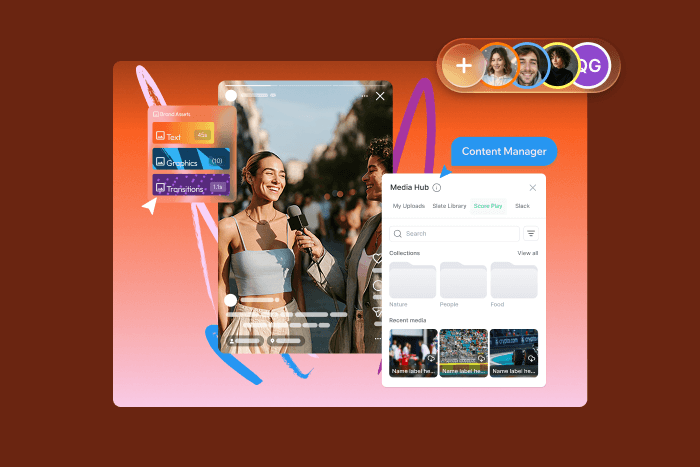
Establishing content pillars helps maintain focused messaging aligned with brand goals. Internal communication about brand assets is crucial for consistent implementation among team members, ensuring that everyone is on the same page. Slate, for example, provides a centralized platform for managing campaigns and assets effectively, helping businesses strengthen their company culture on social media.
By enhancing brand consistency, businesses can build a strong and recognizable brand identity that resonates with their audience and reinforces their marketing efforts to increase brand awareness. Next, we’ll discuss how to utilize advanced features and tools to streamline processes and improve engagement.
Attracting New Customers
Attracting new customers is at the heart of any successful social media marketing plan. To do this effectively, businesses need to identify the social media platforms and channels where their target audience is most active. Creating content that speaks directly to the interests and needs of potential customers is key to capturing their attention and encouraging engagement. A balanced approach that combines organic content with targeted advertising such as sponsored posts, social media contests, and influencer partnerships—can significantly increase your brand’s visibility and drive traffic to your website.
Utilizing popular social media channels like Facebook, Instagram, and Twitter allows businesses to reach new customers and expand their online footprint. Additionally, social media listening and competitive analysis provide valuable insights into customer preferences and emerging market trends. By continuously refining your marketing efforts based on these insights, you can stay ahead of the competition and ensure your content remains relevant and compelling to your audience.
Lead Generation and Conversion
Generating leads and converting them into customers are essential goals for any social media marketing strategy. By consistently creating engaging content and offering incentives such as exclusive discounts or downloadable resources businesses can encourage users to take action and visit their website. Social media advertising further amplifies these efforts, targeting specific audience segments to drive traffic and generate leads.
A well-structured social media strategy should incorporate a content calendar to plan and organize posts, as well as social media analytics and advanced analytics tools to monitor website traffic, engagement, and conversion rates. Social media management platforms like Sprout Social streamline these processes, allowing businesses to schedule content, track performance, and optimize their social media efforts for maximum impact. By leveraging these tools and strategies, you can enhance your lead generation efforts, improve conversion rates, and achieve your marketing goals.
Small Business Social Media Marketing
For small businesses, social media marketing presents unique challenges and opportunities. With limited resources and budgets, small businesses must be strategic in their social media efforts, focusing on the platforms and tactics that deliver the best results for their target audience. A comprehensive social media marketing plan should include a mix of social media advertising, content creation, social media management, and analytics to ensure every effort counts.
Utilizing free or low-cost social media management tools can help small businesses streamline their processes and maintain a consistent online presence. Creating engaging social media content and encouraging user-generated content are effective ways to build community and attract new customers. Social media listening and gathering customer feedback provide valuable insights into customer preferences, enabling small businesses to refine their marketing efforts and enhance customer satisfaction. By adopting a data-driven approach and prioritizing the most impactful strategies, small businesses can maximize their social media presence, drive growth, and remain competitive in their industry.
Utilize Advanced Features and Tools
Utilizing advanced features and tools can significantly enhance your social media presence by streamlining processes and improving engagement. Chatbots, for instance, can enhance customer engagement by providing instant responses to inquiries, keeping your audience engaged at all times. This level of responsiveness can improve customer satisfaction and foster loyalty.
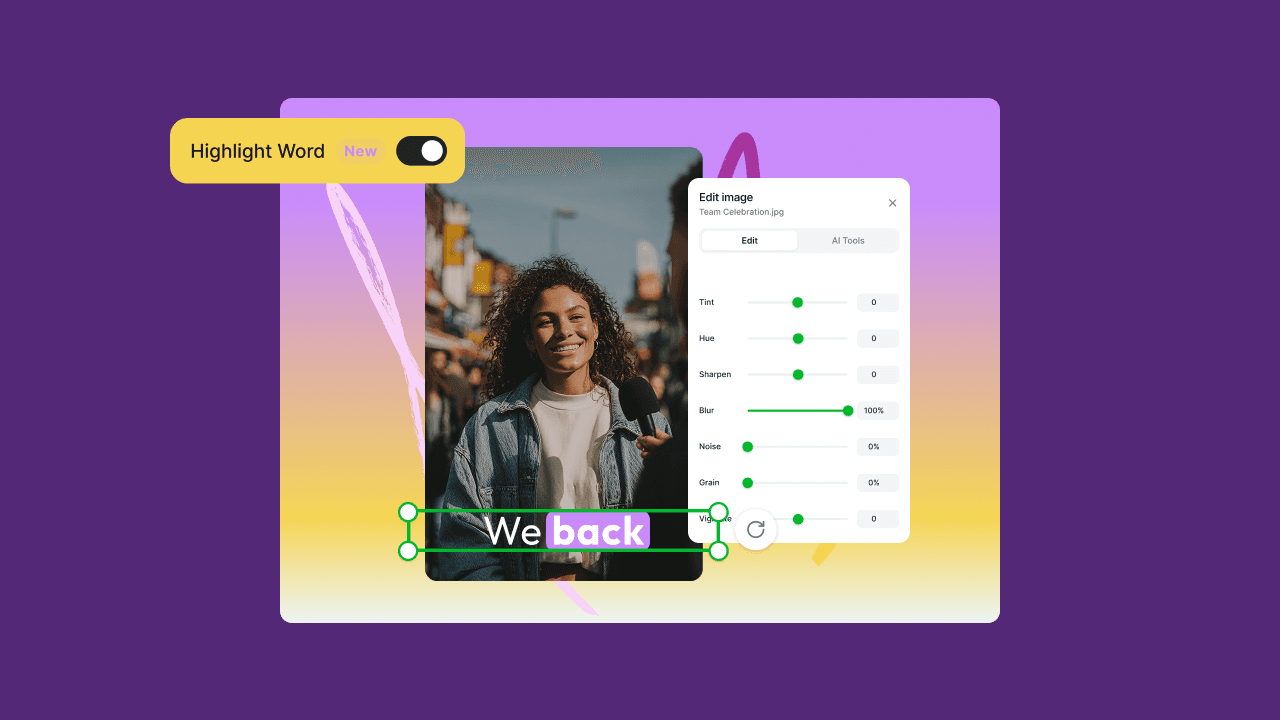
Slate provides customizable templates for social media posts, ensuring brand consistency across different platforms. Its editing experience supports various creative files, allowing for seamless customization that aligns with brand identity. By simplifying content creation, Slate enables faster and easier production of on-brand posts, empowering businesses to expand their reach on social media.
Utilizing tools like Slate can also enhance audience engagement by making it easier to interact with followers and create meaningful content. These tools provide valuable analytics and insights, helping businesses understand audience preferences and optimize their social media strategies. By leveraging advanced features and tools, businesses can stay ahead of the competition and ensure that their social media efforts are effective and impactful.
Incorporating advanced features and tools into your social media strategy can streamline processes, improve engagement, and enhance your overall social media presence. Next, we’ll summarize the key points discussed in this guide and provide a concluding thought.
Summary
Throughout this guide, we have explored various strategies to grow your social media presence in 2025. Understanding your target audience is the foundation of any successful social media strategy, as it informs content creation and platform selection. Developing a comprehensive social media strategy with clear goals and a well-structured plan ensures that your efforts are aligned with your business objectives.
Creating high-quality, engaging content is crucial for capturing your audience’s attention and fostering community engagement. Utilizing analytics tools provides valuable insights into your performance, allowing you to refine your strategies and optimize your content. Leveraging influencer partnerships and actively engaging with your community can enhance your brand’s reputation and build a loyal following.
Implementing paid social advertising and optimizing your posting schedule can maximize your reach and engagement. Repurposing and recycling content ensures that your message remains fresh and relevant, while monitoring competitors and industry trends helps you stay ahead of the curve. Enhancing brand consistency reinforces your brand identity, and utilizing advanced features and tools streamlines processes and improves engagement.
Evaluating different social platforms, such as LinkedIn, Facebook, and TikTok, is essential to tailor your content strategy for your specific audience and maximize marketing success.
By implementing these strategies, you can create a robust social media presence that drives meaningful results and supports your overall marketing goals. Embrace the power of social media and take your brand to new heights. Now, let’s address some common questions you might have.
Frequently Asked Questions
Why is understanding the target audience important for social media marketing?
Understanding your target audience is essential for crafting relevant and engaging content that truly resonates with them. This knowledge informs your overall social media strategy, ensuring that your marketing efforts effectively reach and impact the intended audience.
How can analytics tools improve social media strategies?
Analytics tools significantly enhance social media strategies by offering insights into audience preferences and content performance. This data allows businesses to optimize their content and make informed decisions, ultimately boosting their social media effectiveness.
What are the benefits of leveraging influencer partnerships?
Leveraging influencer partnerships can greatly enhance your brand's reputation and improve conversion rates by utilizing the authentic relationships influencers have with their followers. This approach is not only cost-effective but also drives meaningful interactions and sales.
How does paid social advertising enhance brand visibility?
Paid social advertising enhances brand visibility by tapping into the extensive daily user base of social media platforms, providing a cost-effective method to expand reach and drive website traffic. This approach ultimately boosts your content marketing ROI.
Why is brand consistency important in social media marketing?
Brand consistency is crucial in social media marketing as it strengthens your identity and builds trust among audiences, making your brand memorable in a crowded marketplace. This ensures that your brand stands out and remains top-of-mind for your audience.