Slate Team
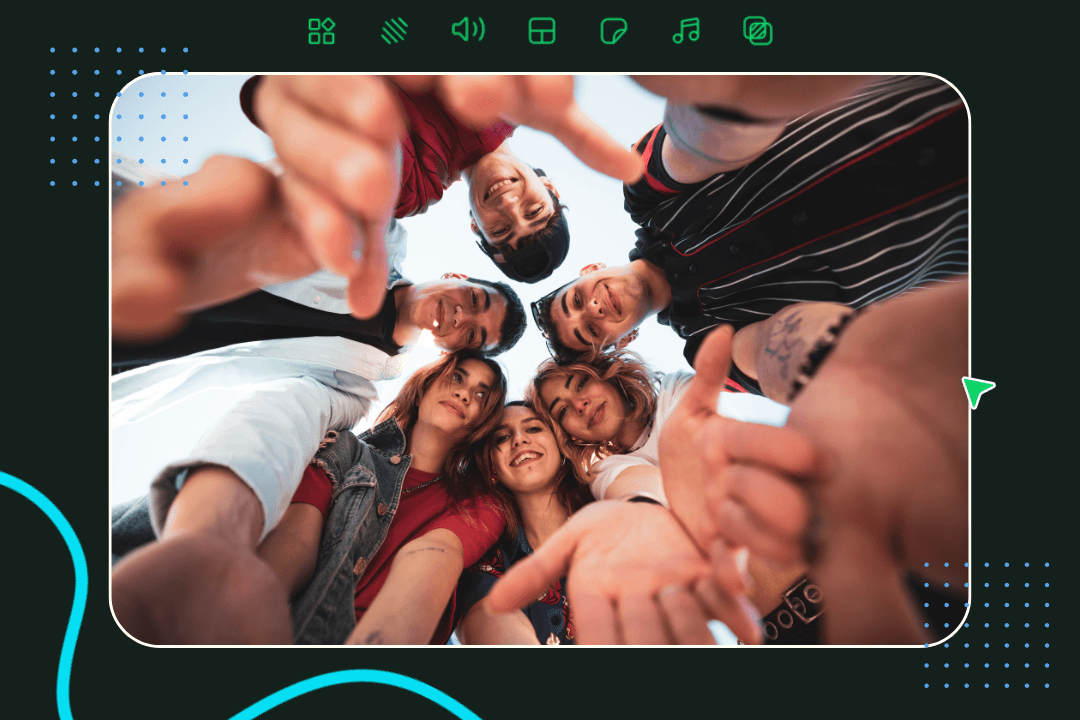
Introduction to Gen Z
Gen Z, or Generation Z, encompasses individuals born between the late 1990s and early 2010s—a cohort that has never known a world without the internet, smartphones, and social media. As true digital natives, Gen Zers have been shaped by the rapid pace of technological change and the constant flow of information in the digital age. This upbringing has given Gen Z consumers a unique set of values and expectations when it comes to how they interact with brands.
Unlike previous generations, Gen Z craves authenticity above all else. They are quick to spot inauthentic content and are drawn to brands that prioritize transparency, social justice, and genuine relationships. For Gen Z, brand loyalty is built not just on product quality, but on a brand’s willingness to show its true self, support meaningful causes, and engage openly with its audience. They expect brands to create authentic content that reflects real people, real stories, and real values.
This generation is also more likely to support brands that take a stand on issues that matter, from environmental sustainability to social justice. Gen Zers want to see companies use their platforms for positive impact, and they reward those that do with their attention, engagement, and long-term loyalty. In a world saturated with media and marketing, authenticity has become the core value that sets brands apart for Gen Z consumers.
Key Takeaways
Gen Z (born roughly 1995–2012) treats authenticity as a non-negotiable filter for which brands they follow, buy from, and work for—making it their core value when evaluating any company.
For gen z consumers, “authenticity” means consistent values, visible humans behind the brand, and social media content that feels real rather than overly polished or scripted.
Platforms like TikTok, Instagram Reels, YouTube Shorts, and BeReal have trained these digital natives to expect behind-the-scenes, in-the-moment content that shows the genuine side of business.
Slate helps teams create fast, on-brand but unpolished social content that aligns with Gen Z’s authenticity expectations through streamlined workflows and flexible templates.
This article provides concrete strategies—content formats, workflows, and examples—for brands that want to build genuine relationships and long-term trust with this generation.
Why Gen Z Puts Authenticity Above Everything Else
Imagine growing up during the 2008 financial crisis, watching your parents navigate job losses and economic uncertainty. Then, as a teenager, you witness the 2016 fake news era reshape how people consume information. By the time you reach young adulthood, a global pandemic forces you to question nearly everything institutions tell you. This is the lived experience that shaped generation z’s skepticism—and their fierce demand for authenticity.
Gen Z, typically defined as those born between the mid-1990s and early-2010s, represents the first generation to grow up entirely in the digital age. They’ve had YouTube since childhood, Instagram since middle school, and TikTok since their teenage years. This mobile-first, always-online upbringing created digital natives who can spot inauthenticity from miles away.
Research shows that high percentages of gen z respondents prefer “real” over “perfect” content and actively distrust traditional advertising. Survey data from 2023-2024 consistently reveals that this audience values genuine connection over polished production values. Their constant exposure to misinformation, deepfakes, and curated Instagram aesthetics has made them highly skilled at detecting inauthentic messaging. This environment has made authenticity especially important to Gen Z, as they seek meaning and genuine experiences in a world full of disinformation.
For Gen Z, authenticity means several interconnected things:
Value alignment: They expect brands to take meaningful positions on social justice, sustainability, and ethical practices
Transparency: Owning mistakes publicly and showing the process, not just the results
Consistent behavior: Acting the same way across all channels—what you say on TikTok should match your corporate actions
Real humans: Wanting to see actual employees and creators, not just corporate messaging
Honest imperfection: Preferring brands that show flaws over those that pretend to be perfect
Meaning and purpose: Looking for meaning and purpose in the brands and content they engage with, not just products or services
How Gen Z Detects “Real” vs. “Fake” Online
Gen zers don’t passively consume content—they investigate it. When evaluating whether a brand or creator is authentic, they engage in specific verification behaviors that previous generations rarely practiced at scale.
Their detection process typically includes:
Verification Method | What They’re Looking For |
|---|---|
Reading comments | Genuine engagement vs. bot responses |
Checking TikTok stitches | How others react and respond |
Searching Reddit or Discord | Unfiltered community opinions |
Comparing multiple creators | Consistent messaging across sources |
Watching response to criticism | How brands handle negative feedback |
This generation’s familiarity with fake news, deepfakes, and ai generated content has sharpened their radar considerably. They’ve developed an almost instinctive ability to detect when something feels off. They look for micro-cues: editing style (shaky phone footage vs. overly cinematic), tone of voice, willingness to show flaws, and whether people respond authentically to criticism.
The rise of BeReal in 2022-2023 perfectly illustrates this craving for authenticity. The app’s entire premise—capturing unfiltered moments at random times—resonated deeply because it rejected the curated aesthetic that dominated Instagram. Similarly, “Get Ready With Me” TikToks became wildly popular because creators talk candidly about mental health, money struggles, and work challenges while doing something mundane like their makeup.
When gen z shoppers evaluate a brand, they’re essentially asking: “Is this company being their authentic selves, or performing a version they think I want to see?”
Authenticity, Values, and Social Impact for Gen Z
Gen Z links authenticity directly to values in a way that creates both opportunity and risk for brands. This generation expects companies to take genuine positions on climate action, racial justice, LGBTQ+ rights, mental health, and fair labor practices. But here’s the catch: they can instantly detect when support is performative versus substantive.
Consider the backlash many brands faced over one-off Pride campaigns without policies to back them. Gen Z noticed when companies changed their logos to rainbow colors in June but donated to politicians working against LGBTQ+ rights. This disconnect between marketing and action destroyed credibility instantly.
What authenticity creates for this audience is trust—but only when backed by concrete commitments:
Specific targets: Carbon reduction goals with actual dates, not vague “net zero someday” promises
Transparent data: Publishing diversity statistics and supplier standards
Visible progress: Regular updates showing both successes and setbacks
Authentic representation: Diverse casting featuring real employees and creators telling their own stories
Long-term investment: Multi-year funded programs rather than one-time cause posts
McKinsey research identifies four core Gen Z behaviors anchored in a search for truth: valuing individual expression without labels, mobilizing for diverse causes, believing in dialogue for conflict resolution, and approaching decisions pragmatically. All of these fuel their demand for transparent brand storytelling that aligns with stated values.
Real Content Over Perfect Content: How Gen Z Wants to See Brands
Remember the glossy 2016-style campaigns with perfect lighting, professional models, and carefully scripted messaging? That approach now reads as deeply inauthentic to Gen Z. Instead, they respond to TikTok series shot on phones featuring actual employees answering real questions or showing their genuine workday. Content that resonates with Gen Z should feel personal and relatable, as this builds trust and makes the communication feel genuine.
The content formats that resonate with this audience share common characteristics:
Behind-the-scenes videos showing how products are made
“Day in the life” clips from real employees
Unfiltered product demos including honest limitations
Q&A sessions addressing actual customer concerns
User generated content from real customers
User-generated content (UGC) is especially influential among Generation Z. For example, Apple's "Shot on iPhone" campaign, which features real photos and videos from everyday users, is a powerful example of how authentic, personal content can connect with Gen Z audiences.
The aesthetic signals matter enormously. Messy, vertical, front-camera videos communicate spontaneity. Jump cuts, bloopers, and lo-fi audio suggest that content wasn’t over-produced. These elements signal to Gen Z that they’re seeing something genuine rather than a carefully constructed marketing message.
The shift from mega-influencers to niche creators and micro-influencers reflects this same dynamic. A creator with 50,000 highly engaged followers who genuinely uses a product builds more trust than a celebrity with millions who obviously took a paycheck. The smaller, more engaged audiences feel more like genuine friendships—and gen z values that community feeling.
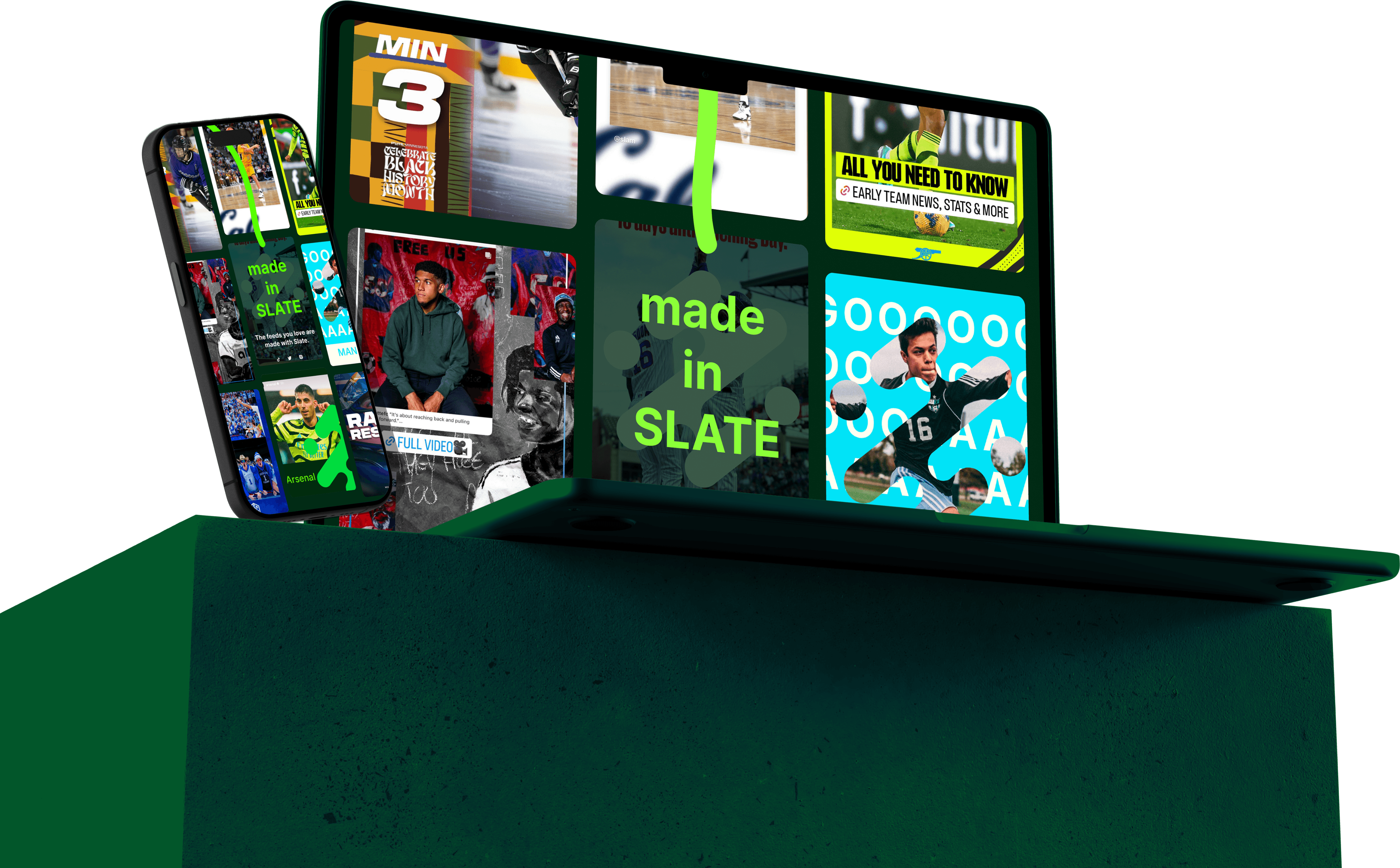
This is where Slate enables teams to produce authentic content at scale. With brand-safe templates, mobile-first editing, and fast exports for TikTok, Reels, and Shorts, Slate helps maintain brand consistency while allowing the spontaneous, human content that Gen Z expects.
Generation Z as Consumers: Authentic Journeys from Discovery to Purchase
The typical Gen Z discovery path looks nothing like traditional marketing funnels. It often flows like this:
Discovery: TikTok “For You” page surfaces a creator mentioning a product
Validation: Check the creator’s other videos, read comments, watch competitor reviews
Research: Visit Instagram Reels, search Reddit for real user experiences
Evaluation: Check the brand profile, look for authentic content and engagement
Purchase: In-app checkout through TikTok Shop or Instagram product tags
Shoppable content has transformed how gen z consumers move from interest to purchase. TikTok Shop, Instagram product tags, YouTube product shelves, and live shopping streams featuring real-time demos all support brands that prioritize authenticity in their selling approach.
Social proof operates differently for this generation. They don’t just check reviews—they actively seek out user generated content galleries, TikTok “hauls,” and reviews with photos and videos. Critically, they read both 5-star and 1-star reviews, looking for patterns that reveal whether a brand is transparent about limitations. Approximately 83% of Generation Z shoppers consider buying from trusted brands essential.
Experience matters more than status for Gen Z. They respond to:
Limited drops that feel like cultural moments rather than sales tactics
Community events and Discord launches that build genuine relationships
Collaborations that bring authentic value rather than just celebrity names
Brands that engage meaningfully with both positive and negative feedback
Gen Z seeks meaning in their brand interactions and purchases, looking for brands that align with their values and offer a sense of purpose beyond the product itself.
At every step of this journey, authenticity creates trust. Gen Z can spot when a brand is genuinely helpful versus when it’s just trying to close a sale. Brands that prioritize authenticity in their messaging and practices will be rewarded with a loyal and engaged Gen Z audience.
Generation Z as Employees: Authenticity Inside the Workplace
Gen Z carries the same authenticity expectations into the workplace. They expect transparent pay ranges, mental health support, genuine two-way feedback, and leadership that practices what it preaches. By 2030, this generation will comprise a significant portion of the workforce, making these expectations increasingly important to companies. Notably, 89% of Generation Z workers consider a sense of purpose vital to job satisfaction and may reject job offers misaligned with their values.
Their workplace priorities cluster around three areas:
Priority Area | What Gen Z Expects |
|---|---|
Financial security | Clear compensation, transparent paths to advancement |
Meaningful work | Understanding how their role creates positive impact and provides meaning |
Wellbeing support | Mental health resources, work-life flexibility, genuine care |
Authentic employer branding requires showing real employee stories—not scripted testimonials. Day-in-the-life videos, honest talk about challenges and growth paths, and content that shows actual company culture all resonate with Gen Z job seekers.
Here’s the critical point: internal and external authenticity must match. A brand cannot market itself as inclusive and progressive if Glassdoor reviews tell a different story. Gen Z researches potential employers the same way they research products—and inconsistency destroys credibility.
Companies finding success share unpolished behind-the-scenes content on LinkedIn and TikTok to attract early-career Gen Z talent. They show real team meetings, genuine mentorship moments, and honest conversations about what working there actually looks like.
By 2026, authenticity will surpass wealth, fame, or independence as the primary personal value for Generation Z, highlighting the growing importance of meaning and purpose in their careers and lives.
Purposeful Partnerships: Collaborating for Authenticity
Purposeful partnerships have become a cornerstone for brands seeking to build authentic connections with Gen Z consumers. In the digital age, Gen Z expects brands to go beyond surface-level marketing and demonstrate a real commitment to the values they claim to support. By collaborating with social justice organizations, environmental groups, and other brands that share similar values, companies can show that their dedication to authenticity and transparency is more than just talk.
Survey data underscores the importance of these collaborations: 75% of Gen Z respondents reported they are more likely to support brands that partner with social causes. This highlights how meaningful partnerships can drive brand loyalty and foster a sense of community among Gen Z consumers. When brands engage in purposeful partnerships, they not only create positive impact but also enhance their credibility and relevance in the eyes of this discerning generation.
Research shows that authentic partnerships lead to increased customer satisfaction and long-term success. Gen Z values brands that are willing to take a stand and work collaboratively to address issues that matter. By supporting causes and organizations that align with their core values, brands can build trust, encourage engagement, and create meaningful relationships with Gen Z. In a world where authenticity is highly valued, purposeful partnerships are a powerful way for brands to demonstrate their commitment and connect with the next generation of consumers.
Practical Strategies: How Brands Can Show Up Authentically for Gen Z
Turning authenticity from a buzzword into daily practice requires concrete steps. Here’s a framework that social and brand managers can implement this quarter:
Clarify Your Foundation
Define 2-3 cause areas where your brand will take genuine, sustained action
Establish what your brand will and won’t say publicly
Create internal guidelines for real-time posting and trend participation
Build Recurring Content Series
Launch weekly Q&As where real team members answer audience questions
Create founder or leadership updates that share genuine progress and challenges
Implement employee takeovers that show authentic daily experiences
Partner with Authentic Creators
Prioritize long-term partnerships over one-off sponsored posts
Let creators maintain their voice—avoid over-scripting or heavy editing
Choose creators based on genuine alignment rather than just follower counts
Operationalize with the Right Tools
Use Slate for pre-approved fonts, colors, and templates that enable fast posting
Implement quick captioning and mobile-first editing for spontaneous content
Streamline approvals so authentic moments don’t get delayed into irrelevance
The goal is building infrastructure that enables transparency as a daily practice rather than an occasional campaign theme.
Balancing Real vs. Curated: Keeping Authenticity While Staying On-Brand
Every brand faces this tension: leadership often wants polished, controlled content while Gen Z rewards spontaneity and realness. The solution isn’t choosing one extreme—it’s designing a deliberate middle ground.
A practical approach uses a content ratio:
60-70% planned content: Evergreen posts, product information, scheduled campaigns
30-40% reactive content: Trend participation, real-time responses, spontaneous moments
Rather than scripts that constrain creativity, establish guardrails that enable it:
Define no-go topics that protect legal and brand interests
Set tone boundaries that maintain brand voice without dictating exact words
Clarify values that should come through in all content
Then give creators room to improvise within those parameters
Slate’s templates and asset libraries solve this challenge operationally. Teams can keep logos, colors, and typography consistent while shooting casual phone content in-house. The brand stays protected; the content stays human.
Periodic audits—monthly or quarterly—help ensure that social feeds, campaigns, and corporate actions still align with stated values. When gaps appear, address them publicly. Gen Z respects brands that acknowledge and correct inconsistencies.
Learning from Authentic Influencers and Brands
Certain creators have built loyal following by embodying the authenticity Gen Z craves. Rather than listing famous names, consider the patterns that make them successful:
Authentic Creator Characteristics
“No edit” vloggers who show unfiltered daily life
Creators openly discussing mental health, finances, and struggles
Niche experts sharing unpolished advice based on genuine expertise
People who respond honestly to criticism rather than deleting negative comments
Brands across beauty, fashion, gaming, and sports have evolved from studio shoots to creator-led TikTok series filmed on smartphones. The production value dropped; the engagement and trust increased.
The difference between one-off sponsored posts and genuine partnerships matters enormously. Authentic collaborations involve creators giving feedback, co-creating products, and admitting when something isn’t perfect. This deeper understanding between brand and creator translates into content that feels real to audiences.
How to Emulate These Behaviors
Repost and celebrate truly organic user generated content
Credit creators prominently—don’t just use their content
Lean into real stories even when they include constructive criticism
Show appreciation for community feedback that helps you improve
Let creators maintain their authentic voice in partnerships
Measuring Authenticity with the Right Metrics
Chasing vanity metrics alone—views, impressions, follower counts—can undermine authenticity if it leads to clickbait or trend-hopping without substance. Gen Z sees through engagement-bait immediately, and it damages credibility.
More meaningful indicators of authentic connection include:
Metric Type | What It Reveals |
|---|---|
Comment quality | Are people engaging meaningfully or just emoji-spamming? |
Saves and shares | Does content provide enough value to revisit or pass along? |
DMs and conversations | Are people building genuine relationships with your brand? |
Community growth | Discord members, Close Friends adds, newsletter signups |
Repeat engagement | Same users coming back signals authentic connection |
Track sentiment in comments, stitches, and duets to understand whether Gen Z perceives your content as honest and aligned with stated values. Negative engagement about inauthenticity is a warning sign worth addressing immediately.
Compare performance between polished ads and lo-fi, human-led content. Build an internal case showing that authentic formats often outperform high-production content for this audience. This data helps convince leadership that loosening control creates better results.
Using Slate to Operationalize Gen Z Authenticity
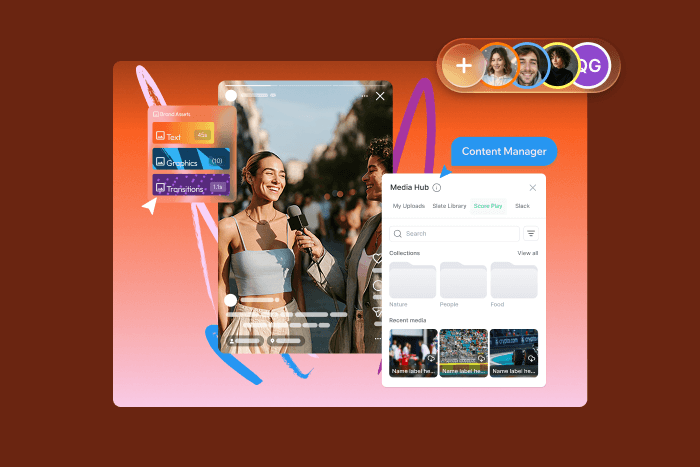
Slate functions as a workflow and content creation platform built specifically for social teams that need to move quickly while staying on-brand. It addresses the core tension between authenticity and brand consistency that many teams struggle with.
How Slate Enables Authentic Content
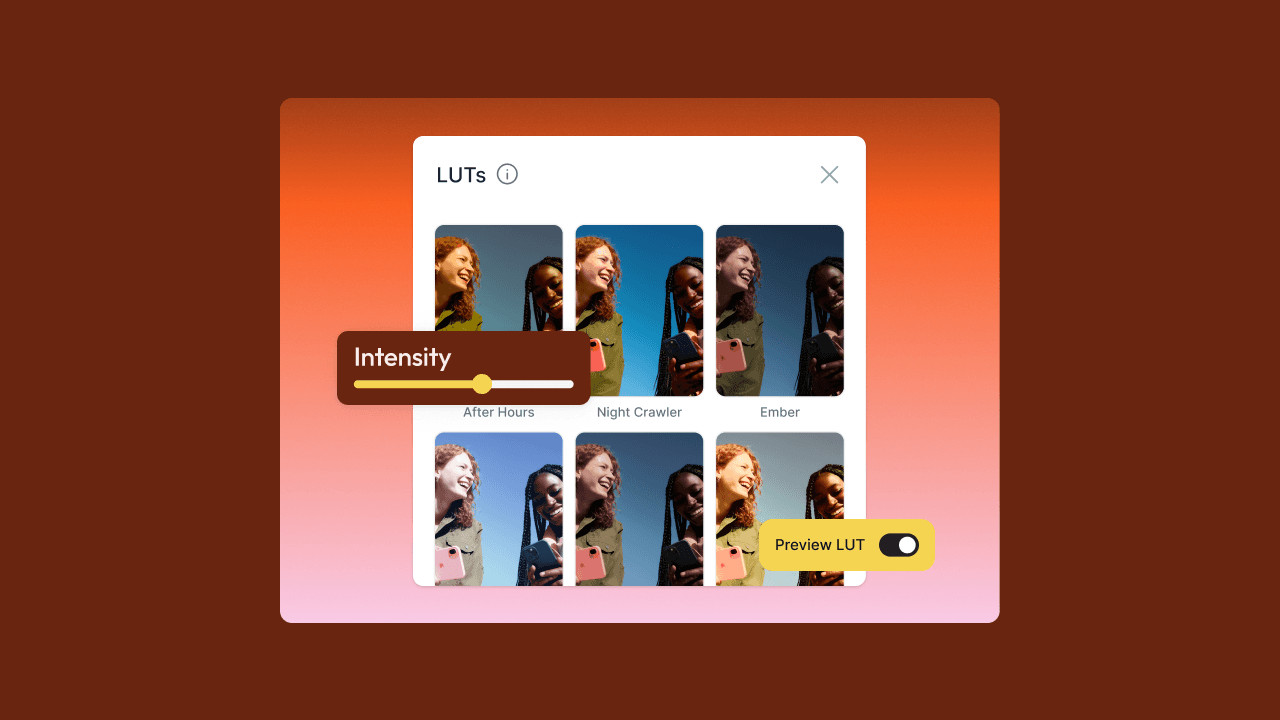
Templates, fonts, and asset libraries ensure consistency in colors and logos even when content is filmed spontaneously on phones. This means team members can create content anywhere without worrying about going off-brand.
Concrete use cases include:
Event coverage in real time—capture and post while the moment is happening
Creator or employee takeovers with guardrails built in
Product drops that feel authentic rather than overly scripted
Q&A formats that can be edited and posted in minutes
Slate helps brands scale authentic content by enabling multiple team members to contribute simultaneously. Approvals are streamlined so authentic moments don’t get stuck in review cycles. The result: content that feels real but still maintains professional standards.
Think of Slate as the infrastructure that lets you publish the kind of candid, transparent content Gen Z expects—without chaos or off-brand risks. It’s the practical tool that turns authenticity from aspiration into daily reality.
Conclusion: Authenticity as a Long-Term Commitment
For generation z, authenticity is not a campaign theme—it’s a long-term expectation that touches content, values, products, and workplace culture. There’s no shortcut to earning their trust, and no single viral moment that replaces years of consistent behavior.
The core idea is this: transparent behavior over years builds more brand loyalty than any single trend or one-time cause partnership. Gen Z watches how brands act during crises and controversies. They notice when stated values don’t match corporate actions. They remember—and they share.
The brands that win Gen Z’s attention and trust will be those willing to:
Loosen control and show their human side
Admit mistakes publicly and show how they’re addressing them
Share their process, including the messy parts
Support brands and creators who align with their values
Create content that prioritizes genuine connection over polish
The future belongs to companies that treat authenticity as operational practice rather than marketing strategy. With tools like Slate, teams can turn this commitment into daily content that meets Gen Z where they are—on social media platforms, expecting realness.
Start by auditing one piece of content today. Ask yourself: would Gen Z see this as genuine? The answer will tell you everything about where to go next.
FAQ
How is Gen Z authenticity different from what millennials wanted from brands?
While millennials pushed brands toward social media presence and purpose-driven messaging, Gen Z adds significantly higher demands for transparency, speed, and real-time interaction. Millennials generally accepted aspirational, curated content—Gen Z actively rejects it.
The key difference lies in accountability. Gen zers are quicker to call out inconsistencies via comments, stitches, and quote tweets, and they expect brands to respond publicly and promptly. Where millennials might unfollow quietly, Gen Z makes noise.
Gen Z also focuses less on polished lifestyle aspiration. They want relatability—honest talk about mental health, money struggles, work challenges, and social issues. The “highlight reel” aesthetic that worked for millennials now signals inauthenticity to this target audience.
What platforms matter most for building authentic connections with Gen Z?
TikTok, Instagram Reels, YouTube Shorts, and BeReal serve as primary spaces where Gen Z expects raw, in-the-moment content. These platforms have trained users to expect unpolished, genuine media rather than highly produced advertisements.
For deeper, ongoing relationships beyond one-way broadcasting, Discord servers, group chats, and niche communities matter enormously. This is where authentic connection happens through ongoing dialogue rather than content consumption.
Brands should repurpose content smartly across platforms while respecting each platform’s native style. What works on TikTok needs adaptation for Instagram Reels—authenticity means showing up appropriately for each community rather than copy-pasting everywhere.
How can a highly regulated or conservative industry still feel authentic?
Regulated industries can still connect authentically by showing real employees within guidelines, explaining processes clearly, and being upfront about what the brand cannot say due to regulation. This transparency about limitations itself reads as authentic.
Replace legal or corporate jargon with simple language. Focus content on education, behind-the-scenes tours, and FAQs that provide genuine value. Gen Z respects expertise when it’s shared helpfully rather than used to create distance.
Tools like Slate help pre-build compliant templates so teams can still publish timely, human content without lengthy legal review cycles. The infrastructure enables speed without sacrificing compliance.
Is it possible to automate content and still seem authentic to Gen Z?
Scheduling tools and templates work fine—what Gen Z rejects is content that feels generic, soulless, or clearly optimized only for algorithms. The issue isn’t automation; it’s content that lacks human personality.
Mix scheduled posts with spontaneous content responding to comments, trends, and real-world events. This combination shows that real humans are paying attention while maintaining consistent presence.
With Slate, teams can create reusable formats that leave room for real voices, unscripted moments, and creator personality in each post. The template provides structure; the human provides authenticity.
How long does it take for a brand to “earn” authenticity with Gen Z?
Authenticity is built over months and years of consistent behavior, not one campaign. Gen Z watches how brands act during crises, controversies, and moments when doing the right thing isn’t convenient. They remember both missteps and genuine responses.
Plan for 6-12 months of visible changes in content, community engagement, and value-driven initiatives before expecting major perception shifts. This is particularly true for brands recovering from authenticity failures.
Honesty about the journey—including incomplete progress—often resonates more with Gen Z than pretending to have everything figured out. Saying “we’re working on this and here’s our progress” builds more trust than premature claims of success. The long haul matters more than perfect optics.