Slate Team
Introduction to Social Media
Social media has become an inseparable part of daily life for many social media users , shaping the way people communicate, share, and build relationships. What started as a digital experiment has now turned into a worldwide phenomenon that influences industries, politics, culture, and even how we perceive reality. Social media affected communication, commerce, and marketing on a massive scale, transforming how society interacts, does business, and consumes information.
Social media began as a progression from earlier communication technologies, evolving from basic electronic messaging to the complex platforms we use today. At its essence, social media refers to online platforms that allow user-generated content, connection, and community-building. Today, this includes giants like Facebook, Instagram, TikTok, Twitter (X), LinkedIn, and many others where users create online communities, catering to diverse audiences and purposes.
The global impact of social media's reach goes far beyond personal communication. It drives economies, creates job opportunities, and facilitates education, contributing to social media's growth and opening doors for businesses of every size to connect with customers in ways once unimaginable. The roots of digital communication run deep, tracing back to early technologies like the telegraph and Morse code, which paved the way for today's social media platforms.
Definition and History
The story of social media begins in the late 1990s, with platforms like Six Degrees (1997) that allowed people to create profiles and connect with friends. Social networking sites like MySpace and Friendster provided early online social interaction that many social media users interested in building communities and sharing content enjoyed. Soon after came Friendster and MySpace, each offering early glimpses of how digital networking could reshape human interaction. Online communication services such as CompuServe and AOL served as important precursors to social media, allowing users to connect through email, chat, and forums. Basic online networking started with email and bulletin boards, laying the groundwork for more advanced social platforms. After MySpace, the launch of the blogger publishing platform, such as Blogger and LiveJournal, played a significant role in early digital communication by allowing users to publish and share content online.
The early digital network ARPANET was a foundational technology that paved the way for the development of modern social media platforms, influencing social media branding .
The launch of LinkedIn in 2003 shifted focus to professional networking, providing HR managers and recruiters with new tools to find talent. The evolution of digital communication—from early electronic messaging like Morse code and the telegraph, through pioneering internet networks such as ARPANET and NSFNET, to the rise of social media companies grew and has been integral to the development of online interaction and information sharing. In 2004, facebook launched, initially targeting college students as its primary user base before expanding globally, transforming how people presented themselves online. Six Degrees is often considered the first true social media platform, introducing features like user profiles, online networking, and content sharing. Twitter in 2006 changed the way news and opinions spread in real-time.
This progression reflects humanity’s core instinct to connect—magnified by digital technology. Each platform became a cultural milestone, showing how people’s social needs evolve alongside technology and highlighting the importance of an engaging social media presence . Social media existed as a tool for digital communication and connection before becoming a mainstream phenomenon.
Development of Social Media
Early Platforms and Networking
Early online communities were built on bulletin board systems (BBS), forums, and chat rooms. These early platforms enabled digital social communication, contributing to the ongoing social media revolution by allowing users to interact and network online.
These spaces allowed niche groups to gather and share ideas long before social networks became mainstream. In these communities, users exchanged information, ideas, and personal messages, fostering a sense of connection.
When MySpace emerged, it introduced personalized profiles, music uploads, and cultural trends that made online identity an essential part of self-expression. While Google+ later attempted to create segmented communities, social media services thrived during this period, although it struggled to gain traction.
These early experiments set the stage for the multi-faceted, visually-driven platforms we know today. They also helped users connect and maintain relationships with family members, making digital communication more personal and far-reaching.
Rise of Paid Strategies
As networks grew in popularity, businesses recognized social media’s potential. Organic social media marketing became essential for building a presence, as brands created and shared content to engage audiences without paid promotion. The rise of paid social media marketing, organic outreach, and influencer collaborations transformed it into a commercial ecosystem.
Advertising, once dominated by television and print media, now had a new frontier with precise targeting and measurable ROI. The emergence of social media advertising allowed brands to place paid ads on platforms like Facebook, Twitter, and TikTok, leveraging analytics and influencer partnerships. These strategies enabled businesses to target specific demographic groups through advanced audience segmentation and platform analytics. This marked the birth of digital marketing as we know it, with social media marketing emerging as a distinct digital marketing specialty.
Modern Social Media Landscape
The current social media environment is dominated by visual storytelling, short-form video, and influencer-driven content. Platforms like TikTok, Instagram Reels, and YouTube Shorts emphasize snackable entertainment, while longer formats still thrive on YouTube and podcasts. The shift to a mobile app environment has made social media apps central to how users interact, share content, and engage with communities on the go.
Smartphones were the true game-changers, liberating social media from desktop computers and enabling users to stay connected anywhere, anytime. The widespread adoption of mobile phones has transformed how people access social media, making it a constant part of daily life. This accessibility has pushed brands to create mobile-first strategies that meet consumers where they are.
Today, social media presence is no longer optional for businesses—it’s essential. Companies must maintain a consistent brand voice, engaging visuals, and authentic connections on every popular social media platform to remain relevant in this crowded space.
Major platforms continue to shape trends, influence user behavior, and drive the evolution of the social media landscape.
Modern Social Media Outlets
The current social media landscape is shaped by a dynamic mix of modern social media outlets, with prominent social media networks like Facebook, Instagram, Twitter, and TikTok leading the way. These social media platforms have become deeply embedded in daily routines, connecting billions of social media users across the globe. The social media market is more competitive than ever, as new social media sites and apps continually emerge, each vying for attention with innovative features and unique approaches to social networking.
A major driver behind the explosive growth of modern social media outlets is the widespread adoption of mobile apps. The smartphone liberated social media from the confines of the desktop and laptop computer, empowering users to engage with their favorite social media platforms anytime, anywhere. This shift has dramatically increased the amount of time people spend on social media, with many users now accessing multiple platforms throughout the day. In response, social media companies have prioritized mobile-first design to help social media maintain user engagement , ensuring their platforms are optimized for seamless use on smaller screens.
Another defining trend in the current social media landscape is the dominance of video sharing. Platforms have made it easier than ever for users to create and distribute video content, fueling the rise of social media influencers who leverage these tools to build personal brands and connect with engaged audiences. Video sharing has also become a cornerstone of social media marketing, with businesses investing in both paid social media marketing and organic social media outreach to reach target audiences through compelling visual content.
While modern social media outlets offer unprecedented opportunities for connection and brand building, they also present new challenges. Concerns about mental health have grown as studies link excessive social media use to issues like anxiety and loneliness. In response, social media companies have introduced features such as time management tools and reminders to encourage healthier usage habits, reflecting a broader commitment to user well-being.
The evolution of social media can be traced back to the earliest social media networks, such as Six Degrees and Friendster. These rudimentary platforms attracted millions of users and demonstrated the potential for digital technology to foster online community building. The national science foundation launched NSFNET in 1987, laying the groundwork for the nationwide digital network that would eventually support today’s robust social media ecosystem. As digital technology advanced, so did the capabilities and reach of social media platforms, fueling a social media revolution that continues to reshape how people communicate and interact.
Today, social media companies are at the forefront of the digital marketing industry, offering a wide array of services to help businesses and individuals grow their social media presence. Social media metrics companies like Hootsuite and Sprout Social provide essential tools for tracking engagement, scheduling content, and analyzing performance across multiple platforms. These insights enable users to refine their strategies, maximize their reach, and maintain an engaging social media presence in an ever-evolving market.
In summary, the modern social media landscape is a complex and rapidly changing environment, defined by mobile apps, video sharing, and the ongoing evolution of digital technology. By understanding the forces driving the growth of modern social media outlets and leveraging the tools available, both businesses and individuals can thrive—whether through paid social media marketing, organic social media outreach, or a blend of both—in today’s interconnected world.
Marketing and Social Media
Evolving Strategies for Engagement
Social media marketing is now at the heart of digital success. Companies use strategies such as:
Paid social advertising to target specific demographics with precision.
Organic campaigns designed to build community loyalty.
Influencer marketing leveraging trusted voices to enhance credibility.
Real-time customer service through DMs and comments.
Content calendars and branding to ensure consistent messaging.
Social media's popularity has created new marketing opportunities, allowing brands to reach large audiences, collaborate with influencers, and use targeted advertising to boost brand awareness and generate leads.
Metrics companies and analytics dashboards help brands measure performance across platforms, while creative teams develop campaigns tailored to each platform’s unique audience.
Subtle but Essential Support: Slate
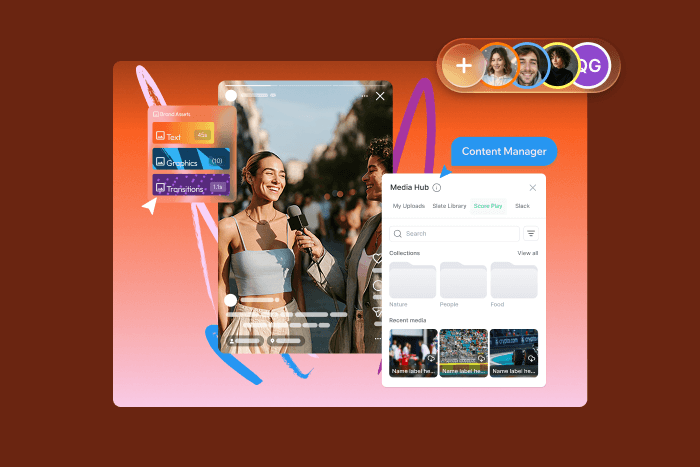
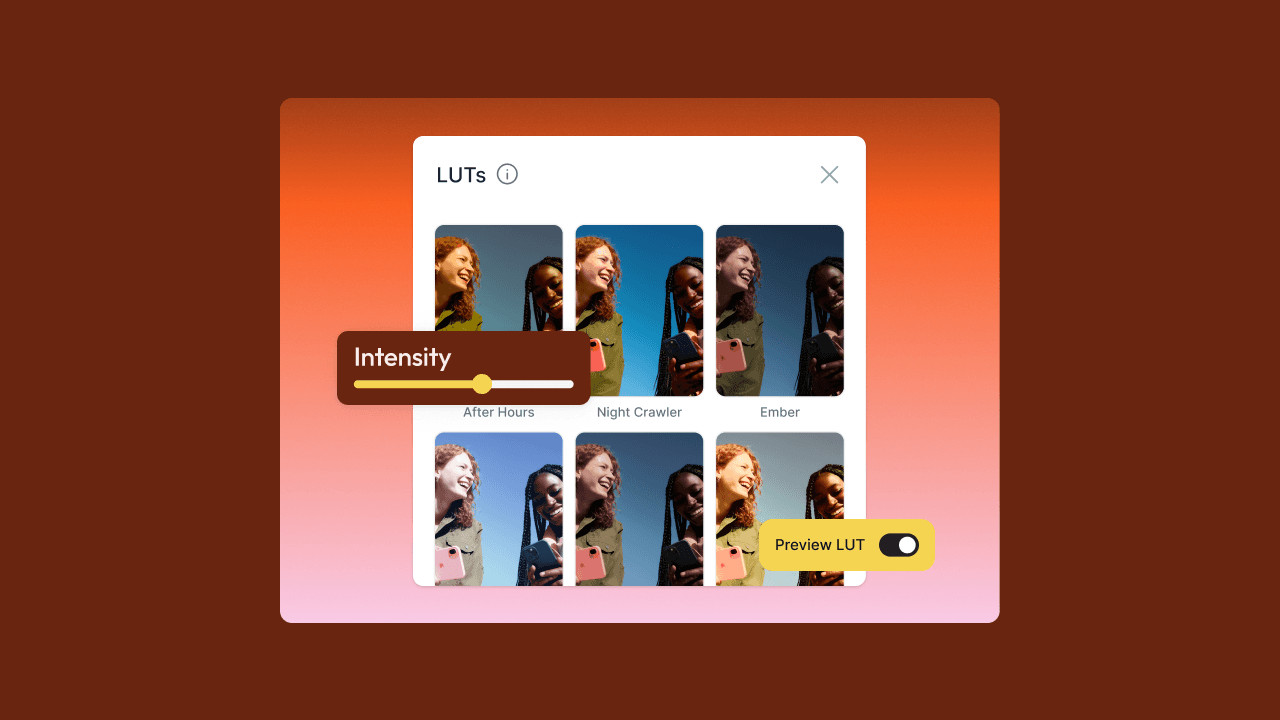
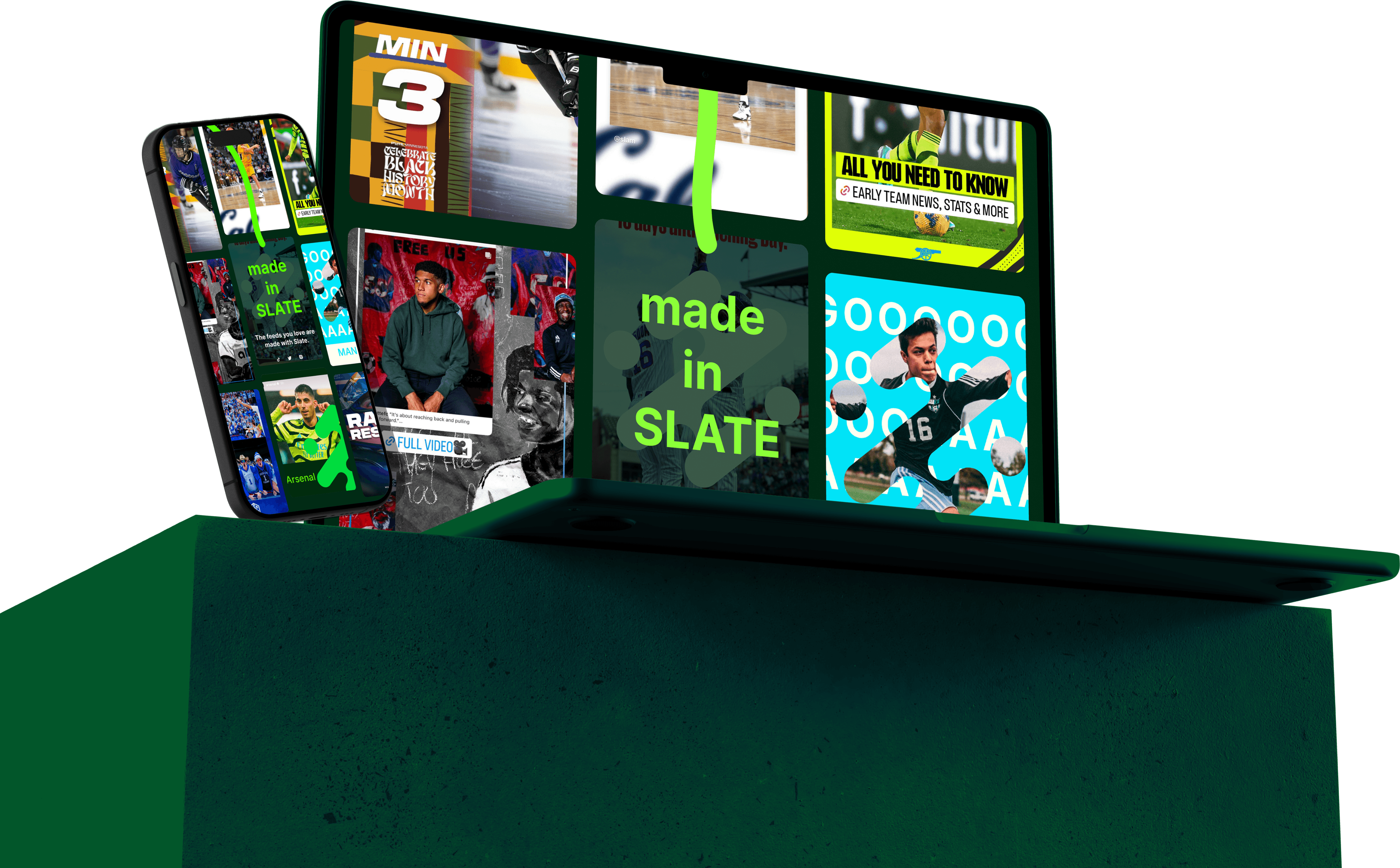
Amid this complex environment, efficiency and brand alignment are crucial. This is where Slate offers a subtle yet powerful advantage. Teams using Slate can quickly create, edit, and publish on-brand content across social media platforms. Unlike generic editing tools, Slate is designed with professional teams in mind, ensuring consistency, speed, and creativity. By eliminating unnecessary back-and-forth in content approval and design, Slate helps companies maintain a seamless social media presence that aligns with their branding goals.
Professional Online Interactions
Social media is not just a personal tool—it has become a cornerstone for professional networking.
LinkedIn continues to be the gold standard for career development, hiring, and industry conversations.
Recruiters and human resources managers searching for qualified candidates rely on social platforms to evaluate candidates and build employer branding. Human resources managers also leverage social media platforms to enhance recruitment strategies and connect with top talent.
Industry groups and communities allow professionals to exchange insights and collaborate across borders.
The rise of remote work has turned social media into an informal hub for team connection and networking.
This dual nature of social media—personal and professional—demonstrates its versatility in the modern world.
The Social Media Market
Emerging Trends
The global social media market is worth hundreds of billions and is expected to continue expanding. Major trends shaping its evolution include social media's evolution, which is driven by technological advances, changing user behaviors, and the constant adaptation of business models:
Video-first content dominance – Short-form videos consistently drive engagement and conversions.
AI and machine learning adoption – Algorithms now predict what content users want before they even search.
Increased competition – New apps emerge frequently, forcing existing platforms to innovate.
As social media's ongoing evolution continues to influence emerging trends, other users can see how platforms adapt to new technologies and shifting societal expectations.
The market is also witnessing data-driven personalization, where platforms fine-tune feeds to maximize time spent online. This personalization drives engagement but raises questions about data privacy.
A key social media point in its historical development was the launch of early platforms like Six Degrees and Friendster, which paved the way for the dynamic landscape we see today.
Mental Health Considerations
While social media offers opportunities for connection, it also presents challenges for mental health. Studies link excessive use to anxiety, depression, and self-esteem issues. Constant exposure to curated highlight reels often fuels comparison fatigue.
In response, platforms have introduced features like:
Time management reminders.
Mental health support resources.
AI-driven moderation of harmful content.
On the positive side, online support groups, awareness campaigns, and mental health advocacy communities thrive on social media. They provide accessible resources for those who may lack support offline.
Brands and businesses also have a responsibility to craft messaging that promotes inclusivity, empathy, and respect.
Popularity and Growth
The popularity of social media continues to surge, with over 5 billion global users expected in the near future.
Social media has played a pivotal role in shaping the digital consumer lifestyle, fundamentally changing how people interact with brands, make purchasing decisions, and engage with content online.
Social media is now a primary source of:
News – breaking stories often emerge first on X (Twitter).
Entertainment – TikTok and YouTube dominate digital entertainment.
Education – bite-sized learning content flourishes on Reels, Shorts, and specialized groups.
This expansion has created entirely new job markets: social media managers, influencer strategists, community leads, and content creators. The future of work is increasingly tied to digital presence, requiring consistent visual branding and social media literacy.
Other Social Media Options
While mainstream platforms dominate headlines, alternative platforms cater to niche interests:
Reddit – discussion-based forums where communities thrive around shared passions.
Pinterest – a visual search engine for ideas, design, and inspiration.
Snapchat – pioneer of AR filters and ephemeral content.
TikTok – unmatched virality through its unique recommendation system.
Additionally, social media has proven to be a powerful engine for social good, amplifying campaigns on climate change, health awareness, and humanitarian causes.
The diversity of platforms ensures users can find communities aligned with their identity and values.
Conclusion: The Future of Online Interaction
The next chapter of social media will be defined by AI-driven personalization, immersive virtual reality spaces, and deeper integration with everyday life. Platforms will continue evolving to meet changing user needs, while new players disrupt the landscape with innovative features.
For businesses, the message is clear: success depends on strategic social media marketing, authentic engagement, and efficient content workflows. Tools like Slate will play a supporting role, enabling teams to deliver professional, branded, and fast content creation in an era where attention is fleeting and competition is fierce.
Social media is no longer just an option—it is the foundation of online interaction. And its evolution is far from over.
Frequently Asked Questions (FAQs)
1. How has social media evolved over the years?
Social media evolved from simple networking platforms like Six Degrees and Friendster into dynamic ecosystems such as TikTok, LinkedIn, and Instagram. The shift has been from basic connection to immersive engagement with video, AI-driven feeds, and influencer marketing.
2. Why is video content so important on social media today?
Video is engaging, shareable, and quick to consume, making it the most effective content type for driving attention. Platforms like TikTok, YouTube Shorts, and Instagram Reels prioritize video in their algorithms, rewarding creators and brands who use it.
3. How does social media impact mental health?
Social media can both help and harm mental health. On one hand, it provides connection, community, and access to resources. On the other, overuse may contribute to anxiety, depression, and comparison fatigue. Healthy digital habits are essential.
4. What role does social media play in professional networking?
Platforms like LinkedIn have transformed how professionals connect, apply for jobs, and showcase expertise. Recruiters use social media to evaluate candidates, promote company culture, and source talent, making online presence essential for careers.
5. How can businesses streamline their social media presence?
Businesses need consistent branding, engaging content, and efficient workflows to succeed. This is where tools like Slate support teams—by helping them create and publish branded videos and visuals quickly, without losing quality or identity.
6. What does the future of social media look like?
The future will likely feature AI-driven personalization, immersive AR/VR experiences, and new platforms that challenge today’s leaders. Social media will remain central to communication, commerce, and culture.