Slate Team
Key Takeaways
Brand awareness measures how well consumers recognize and recall your brand, serving as the foundation of your marketing funnel and directly impacting purchase decisions
Building strong brand awareness increases customer trust by 73% and can boost revenue by up to 23% through improved customer loyalty and word-of-mouth marketing
Effective brand awareness strategies combine consistent visual identity, strategic content marketing, social media engagement, and targeted advertising across multiple touchpoints
Measuring brand awareness requires tracking multiple metrics including brand recall surveys, website traffic growth, social listening data, and earned media value
Successful brand awareness campaigns like Nike’s “Just Do It” and Coca-Cola’s distinctive red branding demonstrate how consistent messaging and visual identity create lasting consumer connections
What is Brand Awareness and How Does It Work?
Brand awareness reflects how familiar consumers are with a brand its name, logo, products, and key attributes—and how easily they can recognize or recall it during buying situations. Think of it as your brand’s mental real estate in your audience’s mind. When people instantly identify your brand or remember it when thinking about your product category, you’ve achieved strong brand awareness.
This happens through two core mechanisms: brand recall, when consumers remember your brand without prompts (e.g., thinking “fast food” and recalling McDonald’s), and brand recognition, when they identify your brand on sight (like spotting Apple’s logo).
Sitting at the top of the marketing funnel, brand awareness is the starting point for all customer interactions. Without it, potential customers can’t move toward consideration or purchase. Research shows most people need 5–7 exposures before remembering a brand, which is why consistent visibility across channels is crucial.
A powerful example is Coca-Cola—94% of consumers recognize its logo. This wasn’t accidental; it’s the result of long-term consistency across packaging, advertising, and digital presence.
Ultimately, brand awareness works by strengthening memory structures. When a need arises, brands with high mental availability come to mind first and are more likely to be chosen. This familiarity creates mental shortcuts that shape purchasing decisions—especially in quick, low-involvement purchases—giving brands with strong awareness a measurable competitive advantage.
The Business Impact of Strong Brand Awareness
Financial Impact of Strong Brand Awareness (Short + Direct Bullets)
Enables premium pricing: Well-known brands can charge up to 20% more because consumers view them as safer, higher quality, and more trustworthy.
Lowers acquisition costs: Companies with strong awareness reduce customer acquisition costs by up to 50% through organic search, direct brand queries, and word-of-mouth.
Boosts customer lifetime value: Familiar brands achieve 67% higher retention rates, leading to more repeat purchases and lower churn.
Creates competitive barriers: Top-of-mind brands make it harder and more expensive for new competitors to gain attention and market share.
Drives market leadership: Apple’s $355.1B brand value shows how strong awareness enables premium pricing, instant product adoption, and long-term category dominance.
Strengthens overall business performance: High awareness attracts top talent, improves partnership opportunities, and increases investor confidence.
The benefits extend beyond customers. Strong brand awareness attracts top talent, strengthens partnership opportunities, and increases investor confidence. In today’s digital-first environment, brand awareness is a strategic asset that shapes business growth, market position, and long-term value.
How to Measure Brand Awareness: Metrics That Matter
Measuring brand awareness requires a comprehensive approach that combines multiple data sources rather than relying on single metrics. The challenge lies in connecting awareness directly to sales, as customer journeys now average 6-8 touchpoints across various channels before conversion occurs. Effective measurement programs track both quantitative metrics and qualitative insights to provide a complete picture of brand awareness health.
Brand Awareness Surveys and Research
Traditional surveys remain the most reliable way to measure true brand awareness, offering direct insight into how well consumers recognize and recall a brand. Aided surveys test recognition by presenting a list of brands, while unaided recall surveys—where respondents name brands without prompts—reveal true top-of-mind awareness and the strength of brand memory. Effective research also measures sentiment to understand whether awareness is positive or negative, providing context for why familiarity may or may not translate into sales. To ensure statistically meaningful results, national surveys typically require around 1,000 respondents, while regional brands or niche B2B markets can gather accurate insights with smaller, targeted samples.
Digital Analytics and Tracking
Digital analytics and listening tools offer powerful ways to measure brand awareness in real time. In Google Analytics, rising branded search volume and sustained growth in direct traffic signal increasing familiarity and interest in your brand, especially when you track brand-specific keywords separately from generic terms. Social listening platforms like Brandwatch or Sprout Social complement this by monitoring mention volume, reach, sentiment, and share of voice across social media, news, and blogs. Meanwhile, SEO tools such as SEMrush help you track how well your brand name and related terms rank in search results—strong brands typically dominate page one, whereas weaker awareness may show competitors or negative content appearing more prominently. Together, these tools reveal both how visible your brand is and how it’s perceived.
Earned Media Value and PR Metrics
arned media value (EMV) provides a financial lens for evaluating unpaid brand mentions, using the formula (Impressions × CPM) ÷ 1000 as a baseline while factoring in sentiment, context, and audience quality for more accurate measurement. Strong brands typically generate 15–25% of their total media coverage organically, reflecting healthy public interest. Tracking earned mentions across news outlets, blogs, podcasts, and social platforms highlights not just how often your brand appears, but the impact of each mention—quality coverage in reputable industry publications often outweighs multiple low-value social posts. Sentiment scoring further clarifies whether this coverage strengthens or harms awareness, while PR analysis goes deeper by assessing message pull-through and spokesperson visibility. This ensures earned media isn’t just putting your name out there—it’s communicating the right story to the right audiences.
Essential Brand Awareness Strategies
Building effective brand awareness in 2024 requires a sophisticated multi-channel approach that integrates online and offline touchpoints for maximum impact. Successful campaigns recognize that modern consumers encounter brands across numerous platforms throughout their day, making consistency and repetition across all channels essential for building lasting awareness.
The fragmentation of media consumption patterns means that no single channel can deliver comprehensive brand awareness. Television viewing has declined among younger demographics, while social media usage has exploded across all age groups. Streaming services, podcasts, and digital-first content now reach audiences that traditional media struggles to engage. Your brand awareness strategy must account for these shifting consumption habits while maintaining message consistency across all touchpoints.
Building a Consistent Brand Identity
Visual consistency can increase brand recognition by up to 80%, which is why strong brand guidelines are essential. A brand’s identity goes beyond its logo—it includes color palettes, typography, imagery, and voice, all of which must remain consistent across every platform. Clear guidelines with exact color codes, font families, and logo usage help teams execute a unified brand experience, much like McDonald’s globally recognizable red-and-yellow identity.
Typography plays a major role as well; choosing fonts that match your brand personality and applying them consistently reinforces recognition. The same is true for voice and tone—when your communication style is consistent, it becomes part of your brand identity just like visual elements. Brand guidelines should evolve as your business grows, but dramatic or frequent changes should be avoided. Consistency over time is what builds lasting brand awareness.
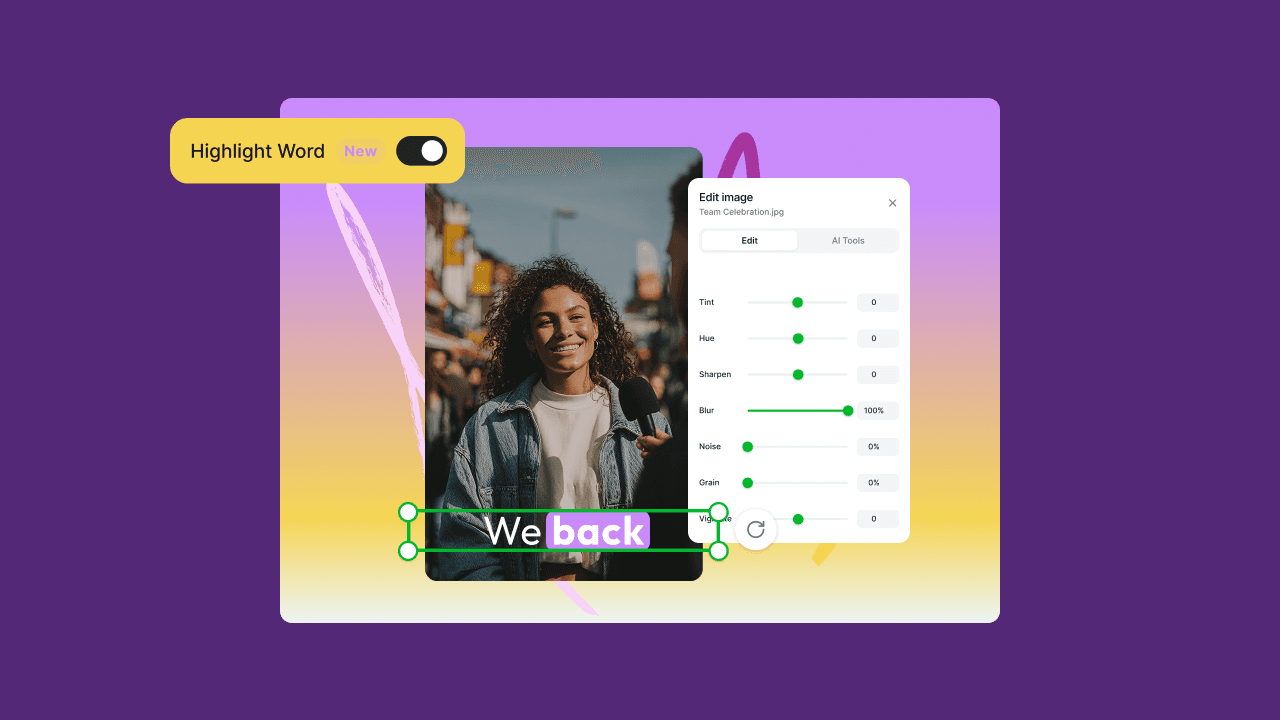
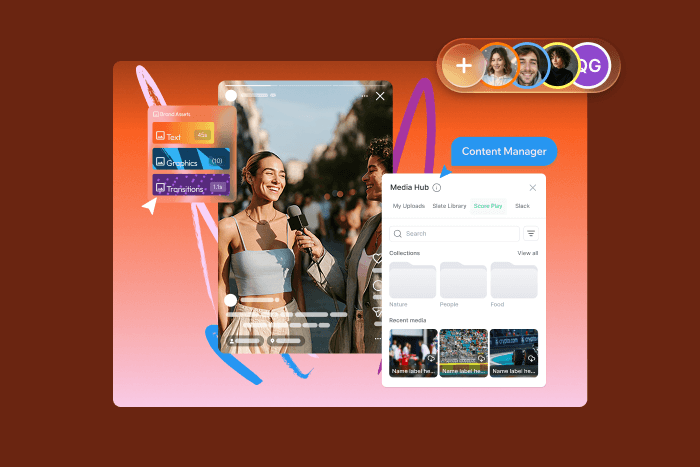
This is where Slate becomes an essential tool for maintaining brand consistency at scale. With branded templates, saved color palettes, locked-in fonts, and reusable video layouts, Slate ensures every team member creates content that aligns perfectly with brand guidelines—no matter their design skill level. The Shortcuts feature allows marketers to instantly repurpose assets into platform-specific formats (Reels, TikTok, Shorts, Stories) while keeping colors, typography, and logos intact. Slate centralizes your brand identity, reduces design errors, and makes it effortless for large teams or multiple departments to stay on-brand. By embedding your brand rules directly into your content creation workflow, Slate transforms guidelines from “documents people forget” into seamless, everyday practice that strengthens recognition across every channel.
Strategic Content Marketing for Awareness
Valuable content builds trust and positions brands as industry authorities, making content marketing a powerful brand awareness vehicle. Educational blog posts, comprehensive guides, industry reports, and thought leadership pieces establish expertise while keeping your brand top-of-mind among target audiences. HubSpot’s marketing blog attracts 6.5 million monthly visitors through consistently helpful content that positions them as marketing experts.
Content distribution amplifies awareness beyond your owned channels through strategic sharing across earned and paid media. Develop relationships with industry publications, guest posting opportunities, and content syndication partners to extend your content’s reach. Repurpose high-performing content into multiple formats—transform blog posts into infographics, podcasts, or video series to maximize exposure across different content consumption preferences.
Search engine optimization ensures your content appears when prospects research topics related to your industry. Target long-tail keywords that indicate purchase intent while incorporating your brand naturally into valuable content. This approach builds awareness among qualified prospects who are already interested in your category, making them more likely to remember and consider your brand when making decisions.
User generated content amplifies brand awareness through authentic peer recommendations. Encourage satisfied customers to share their experiences, create content featuring your products, or participate in branded hashtag campaigns. UGC feels more authentic than branded content and extends your reach through customers’ personal networks, creating organic brand awareness among their connections, raising brand awareness effectively .
Thought leadership content positions executives and team members as industry experts, building personal brands that reflect positively on your company. Encourage leaders to speak at conferences, participate in podcast interviews, and publish opinions on industry trends. This strategy works particularly well for B2B companies, where personal relationships and expertise drive business decisions.
Social Media Brand Building
Platform-specific strategies maximize brand awareness by adapting content to each social media platform’s unique audience and format preferences. Instagram rewards visually striking content with strong brand identity elements, making it ideal for lifestyle brands and visually-driven businesses. LinkedIn serves B2B companies effectively through professional content and thought leadership posts that build credibility among business decision-makers.
TikTok offers unprecedented reach among Gen Z audiences but requires authentic, entertaining content that feels native to the platform. Brands succeeding on TikTok embrace trends, use platform-specific features, and avoid overly polished content that feels like traditional advertising. The key is understanding each platform’s culture and adapting your brand voice accordingly while maintaining core identity elements.
Engagement tactics significantly impact brand awareness reach and effectiveness. Respond to comments within 2-4 hours to show responsiveness and build community around your brand. Prompt responses increase the likelihood that followers will engage with future posts, expanding your content’s organic reach through platform algorithms that reward engagement.
Hashtag strategies require platform-specific approaches for maximum effectiveness. Twitter performs best with 1-2 relevant hashtags, while Instagram posts can effectively use up to 11 hashtags. Research trending hashtags in your industry and create branded hashtags for campaigns and user-generated content to help increase brand visibility . Monitor hashtag performance to identify which tags drive the most engagement and brand mentions.
Wendy’s Twitter engagement strategy demonstrates the power of personality-driven social media brand building. Their witty, sometimes sarcastic responses to followers and competitors have generated 3.5 million followers and extensive earned media coverage. While not every brand should adopt this specific tone, the strategy shows how consistent personality and authentic engagement can build massive brand awareness through social media.
Strategic Partnerships and Collaborations
Co-branding opportunities allow brands to leverage each other’s audiences and credibility for mutual brand awareness benefits. Select partners whose audiences overlap with your target market but aren’t direct competitors. Successful partnerships create value for both brands’ customers while exposing each brand to new potential audiences who already trust the partner brand.
Partner selection requires careful evaluation of brand values alignment and audience quality. Analyze potential partners’ engagement rates, audience demographics, and brand reputation before committing to collaborations. Poor partner choice can damage your brand awareness efforts, while strong partnerships can exponentially amplify your reach and credibility.
Influencer partnerships with micro-influencers (1,000-100,000 followers) often deliver higher engagement rates and more authentic brand awareness than celebrity partnerships. Micro-influencers typically maintain closer relationships with their audiences and charge significantly less than macro-influencers, allowing brands to work with multiple partners across different audience segments.
The 2023 Crocs x Post Malone partnership generated $1.2 billion in earned media value, demonstrating the potential impact of well-executed brand collaborations. The partnership leveraged Post Malone’s personal brand and massive social media following while aligning with Crocs’ playful, unconventional brand personality. Both brands benefited from increased visibility and positive associations with each other’s audiences.
Evaluate partnership success through reach, engagement, and brand mention analysis. Track social media metrics, website traffic, and sales attribution during and after partnership campaigns. Long-term brand tracking surveys can reveal whether partnerships positively impact brand awareness and perception among target audiences.
Real-World Brand Awareness Success Stories
Successful brand awareness campaigns demonstrate how strategic planning, creative execution, and consistent implementation can generate measurable business results. These real-world examples provide actionable insights for developing your own brand awareness initiatives while showcasing different approaches that work across various industries and audience segments.
Spotify’s Wrapped Campaign: Data-Driven Personal Connection
Spotify Wrapped 2022 became a global brand awareness powerhouse, generating 60 million social shares by turning user listening data into personalized, visually striking content that fans eagerly posted across platforms. By celebrating each user’s unique music habits with colorful, shareable graphics, Spotify transformed everyday listeners into enthusiastic brand ambassadors—boosting mentions by 30%, driving a 156% spike in app downloads, and generating an estimated $100 million in earned media value.
The campaign succeeded because it tapped into social media psychology: people love sharing content that reflects their identity and tastes. Strategically timed for the holiday engagement peak and designed for seamless sharing on mobile and Instagram Stories, Wrapped created anticipation throughout the year and reinforced both loyalty and curiosity among non-users. This combination of personalization, social currency, and smart distribution cemented Wrapped as one of the most effective recurring brand awareness campaigns in the digital era.
Dollar Shave Club’s Viral Video Launch
Dollar Shave Club’s 2012 launch video became a viral marketing phenomenon, earning 12 million views in three months on a $4,500 budget—visibility worth an estimated $6 million in traditional advertising. Its irreverent humor, simple problem-solution storytelling, and CEO Michael Dubin’s charismatic delivery connected instantly with consumers tired of overpriced razors and inconvenient shopping experiences. By emphasizing convenience, affordability, and a bold challenge to industry giants, the brand positioned itself as a relatable and disruptive alternative.
Strategic distribution through social media, influencers, and early outreach to journalists fueled rapid organic growth and elevated the brand far beyond the initial campaign. This single video helped establish Dollar Shave Club’s personality and value proposition, ultimately driving the company to $230 million in annual revenue and a $1 billion acquisition by Unilever. The campaign proves that authenticity, humor, and a clear customer-focused message can generate massive brand awareness—even with minimal budget.
Patagonia’s Environmental Activism Brand Building
Patagonia’s 2011 “Don’t Buy This Jacket” campaign delivered a powerful blend of brand purpose and commercial success, increasing sales by 30% while reinforcing the company’s long-standing environmental mission. The counterintuitive message was credible because it aligned with decades of consistent activism, including donations to environmental groups and support for grassroots initiatives, making the campaign feel authentic rather than performative.
Its impact on brand awareness was significant—Patagonia achieved 89% recognition among outdoor enthusiasts and maintained strong top-of-mind presence in sustainable fashion conversations. Programs like Worn Wear, 1% for the Planet, and messaging focused on durability strengthened the campaign’s credibility. By aligning its values with those of environmentally conscious consumers, Patagonia built deep emotional loyalty, extensive word-of-mouth promotion, and a brand reputation that continued to grow well beyond the campaign itself.
Common Brand Awareness Mistakes and How to Avoid Them
Brand awareness initiatives often fail due to avoidable mistakes that weaken strategic impact and waste marketing resources. The most common issue is inconsistency—frequently changing messaging, visuals, or tone disrupts the repetition needed for strong brand recall. When brand elements shift too often, audiences become confused and awareness efforts restart from zero.
Another major mistake is prioritizing reach over relevance. Brands often chase large audiences instead of focusing on the people most likely to become customers. Reaching a targeted segment multiple times is far more effective than reaching everyone once.
Measurement errors also undermine awareness campaigns. Many brands rely on vanity metrics—followers, impressions, views—without confirming whether people actually recognize or remember the brand. Effective measurement should combine analytics with surveys to track real changes in awareness and consideration.
Impatience is another pitfall. Brands expect quick results and abandon strategies too early. True brand awareness builds slowly through repeated exposure over 12–18 months; frequent changes prevent campaigns from gaining momentum.
Crisis management failures can quickly erase years of awareness-building. Without clear protocols, brands often respond poorly to negative events, damaging trust and recognition. Having a strong crisis plan helps maintain consistency under pressure.
Budget misalignment is also common. Many brands overspend on direct response marketing and under-invest in long-term awareness efforts. A balanced approach ensures both immediate results and sustainable growth.
Lastly, generic messaging weakens awareness. Brands that sound like everyone else fail to create memorable, distinctive associations. A unique voice and differentiated creative make campaigns stand out.
To avoid these pitfalls, conduct regular brand audits, maintain strict brand guidelines, ensure team alignment, and track long-term awareness trends—not just short-term metrics.
Summary
Brand awareness is the foundation of effective marketing, driving trust, recall, loyalty, and long-term revenue growth. Strong awareness lowers acquisition costs, boosts retention, and creates competitive advantages, while real-world successes from Spotify, Dollar Shave Club, and Patagonia show how consistent identity, valuable content, social engagement, and strategic partnerships fuel massive organic reach. Measuring awareness requires combining surveys, analytics, social listening, and earned media insights. Most failures stem from inconsistency, chasing reach over relevance, relying on vanity metrics, impatience, weak crisis plans, poor budget allocation, and generic messaging. Brands that stay consistent, strategic, and audience-focused build lasting recognition and long-term business success.
FAQ
How long does it take to build measurable brand awareness?
Most brands see initial awareness improvements within 3-6 months of consistent effort, but building strong, lasting brand awareness typically requires 12-18 months of sustained marketing activities across multiple channels. The timeline depends on factors like target audience size, competitive landscape, budget allocation, and message consistency. B2B brands often take longer due to smaller, more specialized audiences, while consumer brands with mass market appeal may achieve awareness more quickly through broad-reach advertising.
What’s the difference between brand awareness and brand recognition?
Brand awareness is the broader concept encompassing how familiar people are with your brand, while brand recognition specifically refers to a consumer’s ability to identify your brand when they see your logo, packaging, or other visual elements. Brand awareness includes both recognition (aided recall) and unaided recall (remembering your brand without prompts). Recognition is easier to achieve than recall, as visual cues trigger memory more easily than retrieving brand names from memory without assistance.
How much should I budget for brand awareness campaigns?
Industry benchmarks suggest allocating 40-60% of your total marketing budget to brand awareness activities, with B2B companies typically spending less (30-40%) and consumer brands often spending more (50-70%) due to broader target audiences. However, budget allocation should consider business stage, competitive pressure, and growth objectives. Startups might need to invest heavily in awareness initially, while established brands can maintain awareness with smaller budget percentages.
Can small businesses compete with large brands in building awareness?
Yes, small businesses can build strong local or niche brand awareness through targeted strategies like community involvement, social media engagement, and partnerships with local influencers, often achieving higher engagement rates than larger competitors. Small businesses have advantages in authenticity, agility, and personal relationships that larger brands struggle to replicate. Focus on dominating specific geographic areas or niche markets rather than competing for mass market awareness against well-funded competitors.
What’s the biggest mistake brands make when trying to build awareness?
The most common mistake is inconsistency across channels and time periods—brands that frequently change messaging, visual identity, or fail to maintain regular communication struggle to build the repetition necessary for strong brand recall. Consistency in visual elements, voice, and presence across all touchpoints creates the repetition needed for memory formation. Other critical mistakes include chasing vanity metrics instead of meaningful awareness indicators, expecting immediate results, and under-investing in long-term awareness building while over-focusing on short-term performance metrics.