Slate Team
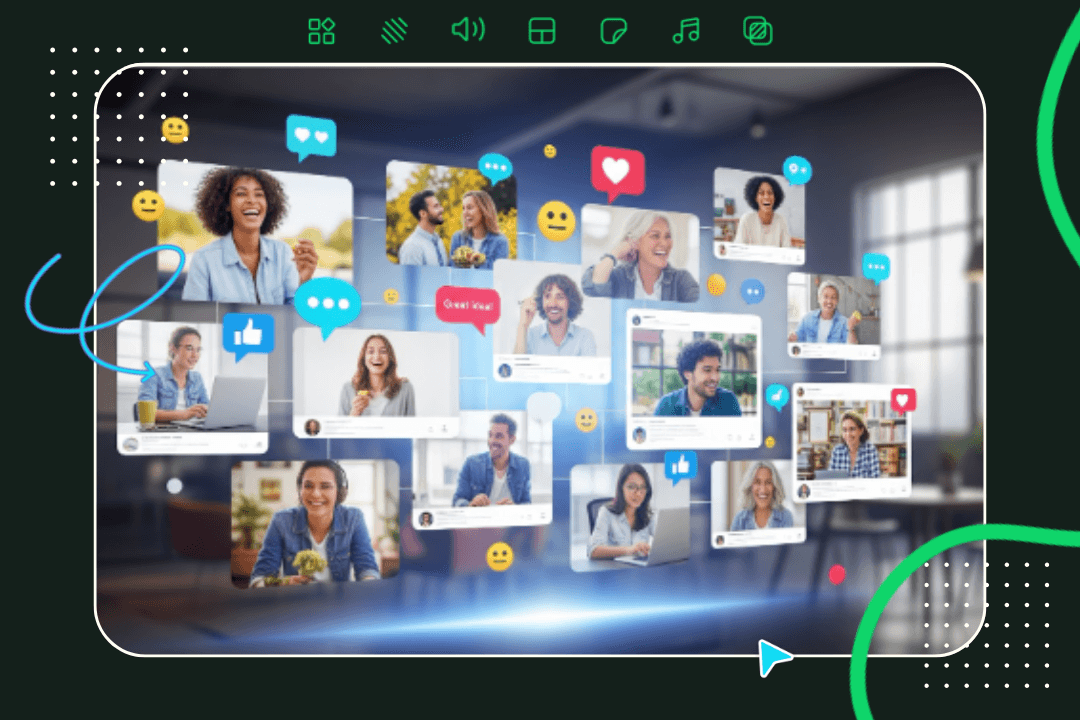
The most successful brands don’t just acquire customers—they build communities that turn buyers into passionate advocates. In a crowded marketplace where consumers face constant marketing noise, brands that stand out are those that create genuine, lasting connections among their customers. A brand community shifts engagement from one-way marketing to collaborative, relationship-driven interaction, giving loyal customers a space to connect, share experiences, and build emotional bonds with the brand and each other. This approach is highly effective: 73% of consumers view brand communities positively, and 84% say participation significantly influences their overall perception of a brand.
This comprehensive guide will explore the strategic value of building community, examine proven frameworks for creating successful brand community initiatives, and provide actionable strategies that drive measurable business results. Whether you’re launching your first community effort or optimizing an existing program, these insights will help you transform one-time buyers into dedicated community members who actively promote your brand.
What Is a Brand Community?
A brand community is a specialized network of customers, fans, and advocates who share emotional connections with a brand and each other. Unlike traditional marketing channels that focus on one-way communication, an active brand community creates meaningful two-way interactions where members engage not only with the brand but also form relationships with other users who share shared interests and values.
The distinction between brand awareness campaigns and community building lies in the depth and duration of relationships. While awareness efforts aim to capture attention and drive immediate action, community building focuses on creating ongoing engagement that transforms casual customers into brand advocates. Community members engage in discussions, share experiences, provide mutual support, and collectively contribute to the brand’s evolution.
Research demonstrates the powerful impact of well-executed community strategies. Beyond the 73% of consumers who view brand communities positively, studies show that dedicated community members exhibit significantly higher customer loyalty, generate more user generated content, and display greater willingness to recommend brands to others. These engaged participants often become a brand’s loyal community, driving both direct revenue and valuable word-of-mouth marketing.
Brand communities manifest in various formats, each serving different purposes and audience preferences. Online community platforms include social media groups, online forums, mobile app communities, and branded discussion spaces. These digital environments enable global participation and continuous interaction regardless of geographic limitations. Conversely, offline communities center around in person events, local meetups, product launches, and experiential activations that create face-to-face connections and strengthen emotional bonds between participants.
The most effective community strategies often combine online and offline elements, creating comprehensive ecosystems that provide easy access to engagement opportunities while accommodating diverse member preferences and participation styles.
The Strategic Value of Brand Communities
Building a strong brand community delivers measurable business value across retention, advocacy, cost reduction, and revenue growth. Companies that invest in community programs see clear results—66% report higher customer retention—because active communities create emotional loyalty that goes far beyond product satisfaction. When customers build relationships and identify with a brand community, they become less likely to switch to competitors and more resilient during occasional service issues.
Communities also turn loyal customers into powerful brand advocates. Their genuine, word-of-mouth recommendations carry more trust and influence than traditional advertising, expanding reach organically. At the same time, peer-to-peer support and community-generated knowledge bases reduce customer service costs by helping users solve problems together, while real-time feedback helps brands address issues early.
Revenue grows as well. Community members typically buy more often, try new products sooner, and stay customers longer, increasing lifetime value. Their interactions also create natural opportunities for cross-selling and upselling through social proof rather than direct sales. Finally, communities offer ongoing, cost-effective market research. Members freely share insights, improvement ideas, and feature requests, giving brands actionable data to guide product development and customer experience strategies.
Types of Brand Communities
Understanding different community models helps brands select approaches that align with their target audience, brand values, and business objectives. Harvard Business School research identifies three primary community frameworks, including third party community platforms each serving distinct member needs and driving different types of engagement and loyalty.
Communities of Passion
Communities of passion revolve around highly enthusiastic fans who see the brand as part of their personal identity. These advocates invest significant time creating content, supporting other members, and acting as unofficial ambassadors. Nike’s NikeTalk forum illustrates this dynamic, as sneaker enthusiasts share insider information, discuss product details, and trade rare items—building strong emotional bonds and deep social connections. Harley-Davidson’s HOG community takes this further, offering local chapters, group rides, and brand events that transform motorcycle ownership into a lifestyle grounded in freedom and camaraderie. Passion communities also defend the brand during crises, with loyal members actively countering negative publicity and reinforcing brand reputation.
Communities of Practice
Communities of practice revolve around professional learning, shared expertise, and collaborative problem-solving. Members join to exchange knowledge, build skills, and apply brand tools or services more effectively in real-world situations.
Palo Alto Networks showcases this model with a community of 350,000+ cybersecurity professionals who share threat intelligence, troubleshoot issues, and discuss best practices—creating a space that supports both product mastery and career growth. Similarly, Zoom’s self-service community helps users resolve technical challenges, share configuration tips, and explore advanced features, reducing support costs while improving satisfaction through faster, peer-driven solutions.
These communities build loyalty by delivering continuous learning, practical value, and strong professional networks. Members stay engaged because the community helps them solve problems, grow their careers, and deepen their expertise—creating long-term commitment rooted in knowledge and skill development.
Communities of Purpose
Communities of purpose bring people together around shared values, social causes, or mission-driven initiatives that go beyond the products themselves. These groups create deep emotional connections by aligning with members’ beliefs and offering meaningful ways to contribute to positive change.
Patagonia exemplifies this approach through its environmental activism community, where members participate in conservation efforts, share sustainability insights, and support grassroots movements. Customers engage not just because they like the products, but because the authentic brand reflects their commitment to protecting the planet. Ben & Jerry’s takes a similar path by building a community around social justice, giving customers platforms to support causes related to equality, fairness, and human rights. These connections form bonds that extend well beyond any single purchase.
Because purpose-driven communities tap into personal values, they inspire exceptional loyalty and long-term commitment. Members stay engaged because their relationship with the brand supports causes they care about, making them less likely to switch—even when competitors offer lower prices or similar products.
Building Your Brand Community: A Strategic Framework
Successful community building requires systematic planning and execution rather than ad-hoc social media posting or generic engagement tactics. A great brand community strategic framework ensures that community initiatives align with business objectives, serve genuine member needs, and create sustainable value for all participants.
Foundation: Define Your Brand Identity and Community Purpose
Effective community building starts with clearly defining your brand’s mission, values, and personality so members understand what the brand stands for and how their participation contributes to something meaningful. Without this foundation, communities struggle to attract passionate, engaged members. Successful communities also deliver unique value—such as insider knowledge, expert guidance, peer support, or skill-building opportunities—that members can’t easily find elsewhere. Examples include Glossier’s Into The Gloss, which offers authentic beauty education, and Airbnb’s host community, which provides practical business resources and peer connections.
Measurable goals ensure community efforts produce real business impact, whether through improved retention, reduced support costs, increased user-generated content, or stronger advocacy. Lululemon’s local fitness groups, for example, build lifestyle-driven loyalty while supporting the brand’s wellness mission. Clear purpose ultimately shapes content strategy, engagement tactics, and recruitment, helping attract the right members and maintain consistent, authentic communication.
Audience Research and Segmentation
Building a community starts with deeply understanding your most engaged customers—the people already interacting with your content, joining events, completing surveys, or going beyond basic customer service conversations. Their engagement patterns reveal who is most likely to participate meaningfully in a brand community.
Surveys add another layer of insight by uncovering motivations, interests, and preferred communication styles. Knowing whether your audience prefers quick social content, in-depth discussions, professional networking, or casual interactions helps you choose the right platform and engagement format. Different groups thrive in different environments, so aligning the community style with their preferences is essential.
Creating detailed member personas also sharpens community strategy. These personas outline demographics, interests, communication habits, and reasons for participating—ensuring your content, outreach, and activities resonate with the right people. Strong personas prevent generic community-building efforts and keep recruitment and programming focused.
Finally, mapping customer journey touchpoints helps identify when and how to deliver the most value. New customers may need education and onboarding support, while long-time users may want advanced content, exclusive perks, or leadership roles. Understanding these stages ensures your community offers relevant experiences at every step of the customer lifecycle.
Platform Selection and Community Architecture
Selecting the right community platform requires evaluating your audience, desired features, moderation needs, and integration requirements, as each platform shapes how members interact and how efficiently the community can be managed. Facebook Groups, for example, offer familiar social features, easy accessibility, and strong engagement tools—seen in Canva’s 50,000+ member community that thrives on tutorials, challenges, and peer feedback.
Custom platforms provide deeper control over user experience and data. Sephora’s Beauty Insider Community—with over 6 million members—uses a tailored platform that integrates with its loyalty program and e-commerce system, offering specialized groups and features for beauty education and product discovery. Mobile app integrations, like those in Starbucks Rewards, blend community features directly into product usage, making engagement a seamless part of everyday customer behavior.
When choosing a platform, brands must consider user preferences, technical needs, moderation complexity, and long-term goals—evaluating features such as discussion threading, multimedia support, event tools, private groups, system integrations, and analytics.
Community Engagement Strategies That Drive Results
Sustainable community engagement requires consistent value creation through content, interactions, and experiences that genuinely serve member interests while still supporting brand objectives. The most effective strategies blend educational content, opportunities for social connection, and meaningful brand storytelling—delivered in ways that feel authentic, useful, and never overly promotional. Slate helps brands maintain this balance by making it easy to produce high-quality, on-brand content that resonates with community members. With features like Shortcuts for fast repurposing, collaborative workspaces for seamless team coordination, and branded templates that ensure visual consistency, Slate allows businesses to deliver steady value across every touchpoint. This consistency strengthens trust, encourages ongoing participation, and supports long-term community growth.
Content Strategy for Community Building
User generated content campaigns encourage community members to create and share content that showcases their experiences, expertise, and creativity. GoPro’s adventure video contests have helped build a community of over 20.5 million Instagram followers who regularly share extreme sports footage and outdoor adventures. These campaigns provide authentic product demonstrations while enabling community members to gain recognition through a rewards program for their skills and experiences.
Educational content series establish brands as valuable resources while encouraging ongoing engagement and knowledge sharing. Glossier’s Into The Gloss blog creates detailed beauty education content that drives product development insights while building trust and authority within the beauty community. Members share their own tips and experiences, creating peer-to-peer learning opportunities that extend the brand’s educational impact.
Behind-the-scenes content humanizes brands by showing personality, values, and decision-making processes that help community members feel connected to the people and mission behind products. This transparency builds trust and emotional connection while allowing customers to provide conversation starters that encourage community discussion and engagement.
Interactive content including polls, Q&As, live streams, and challenges creates opportunities for real-time engagement while gathering valuable feedback and insights. These formats enable brands to respond directly to community questions while encouraging members to share their perspectives and experiences with fellow participants.
Facilitating Meaningful Connections
Member spotlight programs highlight community stories, achievements, and expertise, offering recognition that motivates ongoing participation while creating social proof that inspires others. Mentorship programs pair experienced members with newcomers, giving veterans leadership opportunities and providing personalized guidance that helps new members integrate more quickly.
Local meetups and events turn online connections into real-world relationships, strengthening loyalty through shared experiences—such as Lululemon’s yoga classes and wellness events that reinforce the brand’s fitness-focused mission. Collaboration opportunities further deepen engagement by allowing members to work together on projects or challenges. LEGO Ideas is a strong example, enabling fans to co-create product concepts, provide feedback, and even see their designs become official sets with royalties and public recognition.
Recognition and Reward Systems
Tiered loyalty programs provide exclusive community benefits and early access that reward engagement while creating aspirational goals for increased participation. These systems might include special edition products, advance product launches, exclusive events, or enhanced customer service that make community membership feel valuable and distinctive.
Gamification elements including point systems, achievement badges, and leaderboards can encourage specific behaviors while providing clear progress indicators. Apple Support Communities use point systems and exclusive content unlocks to reward helpful contributors while motivating others to share their expertise. However, gamification must feel authentic and aligned with community values rather than manipulative or trivial.
Brand ambassador programs identify and empower top community advocates by providing special recognition, exclusive access, and formal collaboration opportunities. These programs transform most loyal customers into official brand representatives while providing them with tools, training, and incentives to amplify their advocacy efforts.
Special edition products and experiences available exclusively to community members create tangible value that justifies participation while reinforcing the exclusive nature of community membership. These offerings might include limited product variants, early access to new releases, or unique experiences that cannot be purchased elsewhere.
Measuring Brand Community Success
Effective community measurement requires tracking both engagement metrics and business impact indicators that show how community activity drives organizational goals. Strong systems blend quantitative data with qualitative insights to guide optimization and strategic decisions.
Engagement metrics reveal the health of a community. Active user counts show regular participation, post frequency reflects content volume, response rates indicate how well discussions spark interaction, and time spent in the community highlights depth of engagement.
Business impact metrics demonstrate the value of community programs. Customer lifetime value comparisons show the financial benefits of engaged members, while retention rates and referral tracking reveal how community participation strengthens loyalty and drives a loyal customer base. Support ticket reduction also quantifies operational savings when members help each other—NetApp, for example, achieved a nearly 20% cost reduction through community self-service initiatives.
Sentiment analysis and NPS scores help measure emotional connection and advocacy potential, with community members often scoring higher than general customers. Community feedback further uncovers product ideas, feature requests, and usability improvements that traditional research may miss, making communities powerful sources of innovation.
Brand Community Success Stories and Lessons
Examining successful community implementations provides concrete examples of effective strategies and measurable outcomes that demonstrate the strategic value of community investment. These cases illustrate how different approaches serve various audience types while achieving significant business results.
Tesla: Engineering Enthusiasm
Tesla’s owner-driven community shows how passionate customers can become powerful marketing assets through authentic advocacy. Owners frequently share modifications, road trip experiences, and great example technical insights that educate potential buyers while strengthening loyalty among existing users. Elon Musk’s direct engagement further amplifies this effect by creating a personal connection between leadership and the community, generating media attention, and reinforcing that the brand genuinely values user feedback.
Tesla’s referral program transforms satisfied owners into active advocates by offering meaningful rewards such as purchase credits, exclusive experiences, and product upgrades. At the same time, community feedback directly influences software updates and feature development, giving members a sense of co-creation. This collaborative approach deepens loyalty and ensures product improvements align closely with real user needs.
Peloton: Fitness Community at Scale
Peloton connects home fitness enthusiasts through shared digital workout experiences that turn solitary exercise into a motivating social environment. Members gain accountability, encouragement, and friendly competition, creating a sense of belonging even while training from home. Instructors strengthen this connection by blending fitness expertise with personal storytelling, sharing their own challenges and achievements, and recognizing member milestones during live classes—building emotional bonds between coaches and participants.
Gamified features such as leaderboards, virtual high-fives, and milestone celebrations reinforce engagement by rewarding effort and fostering community interaction. Beyond the platform, Facebook groups and local clubs allow members to build real-world relationships through meetups, group rides, and events. These offline connections deepen loyalty, increase accountability, and enhance overall member satisfaction and retention.
Adobe Creative Community
Adobe’s Behance platform functions as both a professional portfolio hub and a creative community, allowing designers, photographers, and other creatives to showcase their work while building networks that support collaboration and career growth. Through tutorials, live streams, and other educational resources, Adobe helps members sharpen their skills and deepen their mastery of Adobe tools—positioning the company as a partner in professional development rather than just a software provider.
Creative challenges and competitions further fuel engagement by offering recognition, portfolio enhancement, and real professional opportunities for winners. Meanwhile, seamless integration between Adobe products and Behance makes it easy for creators to share work directly from their workflow, ensuring that community participation feels natural and embedded in their daily creative processes.
Common Brand Community Challenges and Solutions
Understanding common obstacles in community development helps brands anticipate challenges and apply structured solutions that maintain engagement and support long-term goals. Early on, communities often face low engagement as brands struggle to spark conversations and attract active members. Effective solutions include seeding high-value content, personally inviting enthusiastic users, hosting exclusive launch events, and partnering with influencers to draw in their audiences.
As communities grow, moderation becomes a major challenge. Clear guidelines, trained moderators, escalation procedures, and automated content-filtering tools help maintain a positive environment. The goal is to balance enforcement with education so members understand expectations while issues are addressed quickly. Growth also makes it hard to maintain personalized interaction; brands can solve this by training community managers, empowering volunteer leaders, offering self-service resources, automating onboarding, and using tiered engagement strategies.
Measuring ROI remains difficult when brands lack proper frameworks or baseline metrics. Connecting engagement data with business outcomes—such as retention, referrals, and support cost reduction—creates a more accurate picture of community value. Platform migration poses another challenge as technology needs evolve; successful transitions require clear communication, gradual rollout of new features, user training, and preservation of existing content and relationships. Planning ahead for potential platform changes helps minimize disruption.
Future Trends in Brand Community Building
Emerging technologies and evolving consumer expectations continue reshaping community building strategies while creating new opportunities for deeper engagement and more sophisticated member experiences. Understanding these trends helps brands prepare for future community evolution while making strategic technology and platform decisions.
Virtual and augmented reality technologies create immersive community experiences that transcend traditional online interaction limitations. Brands experiment with virtual meetups, micro-communities product demonstrations, and shared experiences that enable global participation in events that previously required physical presence. These technologies particularly benefit communities focused on travel, entertainment, education, and experiential products.
AI-powered personalization enhances community experiences by matching members with relevant content, suggesting appropriate connections, and customizing engagement opportunities based on individual preferences and behavior patterns. Machine learning algorithms help surface relevant discussions, recommend community features, and optimize content delivery timing to maximize engagement and value creation.
Web3 and NFT integration creates new ownership models for community membership while enabling unique digital assets and experiences that provide exclusive value. Some brands experiment with token-based membership systems, community governance structures, and digital collectibles that reward participation while creating new forms of social status and recognition.
Video-first platforms like TikTok and Instagram Reels drive visual community engagement while requiring brands to adapt content strategies for short-form, entertaining formats. Communities increasingly incorporate video content for member spotlights, educational tutorials, behind-the-scenes access, and user generated content campaigns that leverage visual storytelling capabilities.
Micro-communities and niche groups become more valuable than mass audiences as members seek deeper connections around specific interests, expertise levels, or demographic characteristics. Brands develop portfolio approaches that support multiple smaller communities rather than single large platforms, enabling more targeted value creation and intimate relationship building.
The evolution toward community as core product feature rather than marketing add-on transforms how brands conceptualize customer relationships and value creation. Future communities will likely integrate more deeply with product functionality, customer service, and customer base business operations while providing essential value that justifies premium pricing and long term loyalty.
Summary
Brand communities turn customers into loyal advocates by creating meaningful, two-way relationships that drive retention, advocacy, reduced support costs, and valuable product insights. Successful examples like Tesla, Peloton, and Adobe show how passion, practice, and purpose-based communities fuel long-term loyalty and revenue growth. Building an effective community requires a clear purpose, understanding member motivations, choosing the right platform, and delivering consistent value through connection, education, and recognition. Measuring success through engagement and business impact metrics ensures communities support strategic goals, while challenges such as low initial engagement, moderation, ROI tracking, and platform migration can be addressed with structured solutions. Emerging trends—including AI personalization, VR experiences, Web3 incentives, and niche micro-communities—continue to elevate community building as a core driver of modern customer loyalty.
FAQ
1. What is a brand community?
A brand community is a group of customers, fans, or users who share emotional connections with a brand and with each other. It creates two-way engagement where members exchange experiences, support each other, and contribute to the brand’s ecosystem.
2. Why are brand communities important?
Brand communities increase customer retention, drive word-of-mouth marketing, reduce support costs, and generate valuable product insights. Engaged members tend to purchase more, recommend more, and stay loyal longer.
3. What types of brand communities exist?
There are three main types:
Communities of Passion: Built around enthusiasm and identity (e.g., NikeTalk, Harley Owners Group).
Communities of Practice: Focused on skill development and problem-solving (e.g., Palo Alto Networks, Zoom).
Communities of Purpose: Driven by shared values or social missions (e.g., Patagonia, Ben & Jerry’s).
4. What platforms can host a brand community?
Common options include Facebook Groups, custom community platforms, mobile apps, forums, Discord servers, and hybrid online/offline models. The right platform depends on audience behavior and community goals.
5. How do you keep community members engaged?
Engagement thrives through educational content, user-generated content, recognition programs, gamification, mentorship, live events, and interactive features like Q&As and challenges.
6. How do brand communities generate revenue?
Engaged members purchase more frequently, try new products sooner, stay longer, and encourage referrals—all of which increase customer lifetime value and reduce acquisition costs.
7. What are the most common challenges in building a brand community?
Low early engagement, moderation issues, scaling personalization, measuring ROI, and migrating platforms are common challenges. Each can be solved with structured processes and clear communication.
8. How do you measure brand community success?
Track engagement metrics (active users, posts, time spent), business impact metrics (retention, CLV, referrals, support cost reduction), and qualitative insights (sentiment, NPS, product feedback).