Slate Team
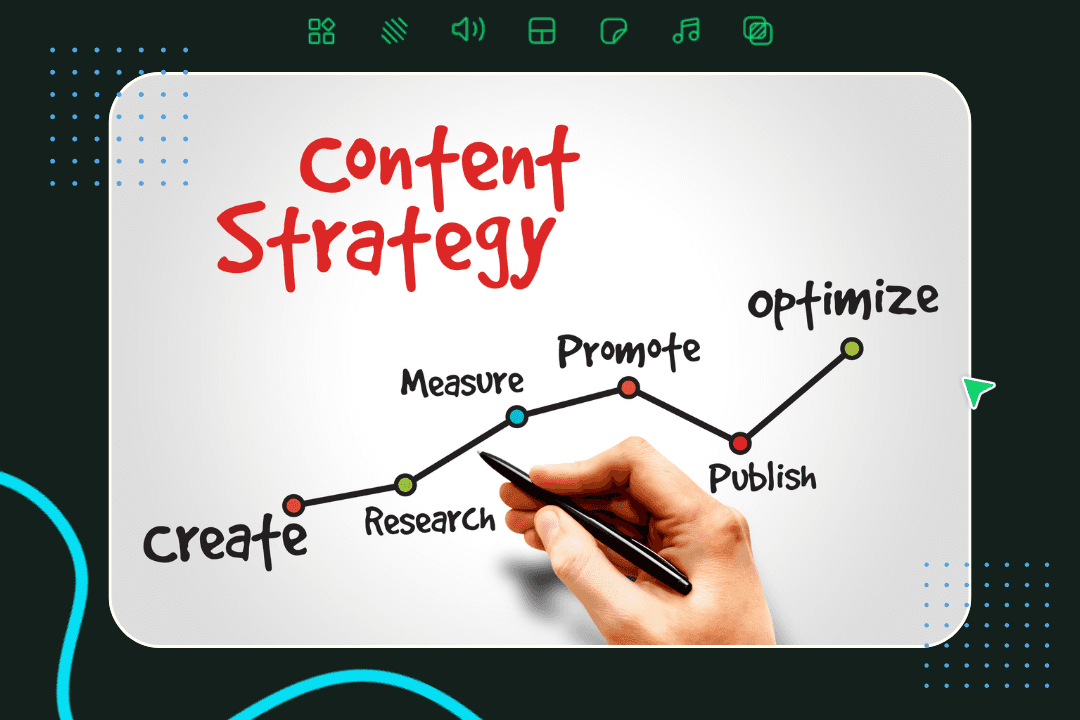
Wondering how to make your content marketing startup a success? Here are five key strategies every startup should know, covering everything from targeting your audience to using social media.
Key Takeaways
Understanding your target audience is essential for creating effective content marketing strategies and ensuring your messaging resonates with potential customers.
A comprehensive content strategy, including a content calendar and diverse format utilization, lays the foundation for successful brand awareness and engagement.
Regular performance analysis and A/B testing are critical for optimizing content effectiveness, allowing marketers to adapt strategies based on audience feedback and engagement metrics.
Identify Your Target Market and Audience
Before creating content, it’s crucial to understand your target audience for a successful marketing strategy. Begin by analyzing your existing followers to uncover patterns that can help identify potential customers audience segments. This analysis will provide valuable insights into their demographics, interests, location, and purchase intent, allowing you to tailor your marketing messages accordingly. Understanding customer preferences is crucial for tailoring content and engagement strategies to better meet audience needs.
Segmenting your audience by these criteria ensures that your marketing efforts resonate with the right people. Whether you’re aiming to enhance your startup’s brand awareness or drive customer acquisition, knowing your target market helps in creating more personalized and effective marketing campaigns for target audiences. Defining your target audience early establishes a solid foundation for subsequent content and social media strategies.
Develop a Robust Content Strategy
A well-crafted content strategy is the backbone of any successful marketing effort. Start by clearly defining your marketing goals and what you want to achieve with your content marketing efforts. Building brand awareness should be a key focus for new businesses, and your marketing strategies should reflect this objective.
Developing a comprehensive content strategy and creating detailed plans for content distribution and scheduling as a starting point is crucial. To implement your strategy effectively, consider the following steps:
Assign responsibilities to create content.
Allocate resources, such as tools, personnel, and budget, to ensure the strategy can be executed effectively.
Gather feedback from your audience to better understand market demand.
Refine your content approach accordingly based on the feedback.
Content Calendar Planning
Planning your content ahead of time is essential for maintaining a consistent posting schedule and keeping your audience engaged. A content calendar enables you to organize your marketing campaigns and ensure that your content strategy stays on track. Regularly posting content and scheduling social media updates is essential for maintaining engagement and visibility, helping you reach your audience at optimal times and build brand loyalty. Regularly scheduled content helps establish a reliable brand presence, which is key for audience engagement.
Marketing automation tools streamline content scheduling and management from a centralized dashboard. These tools are especially useful for managing multiple social media accounts efficiently, allowing you to post content and coordinate social media updates across various platforms with ease. These tools not only simplify workflows but also help in maintaining brand identity across different platforms, ensuring that your email marketing strategy is cohesive and effective.
Content Types and Formats
Diversifying your content formats can significantly enhance audience engagement. A mix of the following examples can capture users’ attention effectively and can vary widely:
Images
Videos
Live videos
Motivational images
Live video, in particular, fosters immediate engagement and connection with your audience.
Images and videos generally perform better than text alone, making them crucial components of any content strategy. Additionally, A/B testing can help determine the effectiveness of different content formats by comparing performance metrics, enabling you to optimize your content strategy based on what resonates best with your audience.
Content Distribution Channels
Choosing the right content distribution channels is vital for maximizing your marketing efforts. Social media marketing is particularly cost-effective and offers a high return on investment, making it an attractive option for startups. An organic approach to content distribution can still yield decent results, especially when combined with strategic use of social media platforms.
Live video is a powerful tool for immediate engagement and connection with the audience. Tools like Slate can simplify workflows and maintain brand identity across one platform and multiple platforms, aiding in effective content distribution.
Leveraging these social channels helps small businesses and young businesses achieve significant marketing results and effectively reach their target audience through advertising, generating new leads and expanding the brand’s reach. Choosing the right social network for your audience can further amplify your brand's reach and improve the effectiveness of your content distribution by tailoring your strategy to each platform's unique features and audience preferences.
Create a Unique Brand Voice
In today’s crowded social media landscape, creating a unique brand voice is essential for startups aiming to capture the attention of their target audience. Your brand voice is the personality and tone that comes through in every social media post, comment, and interaction. It helps your brand stand out on social media platforms like Facebook, Instagram, Twitter, and LinkedIn, making it easier for target audiences to recognize and connect with your business.
To develop a compelling brand voice, start by considering your target audience, your industry, and your core brand values. Are you aiming for a friendly and approachable tone, or a more professional and authoritative one? Consistency is key ensure your brand voice remains the same across all social media channels so your audience knows what to expect, no matter where they interact with you.
A well-defined brand voice not only increases engagement but also builds brand loyalty and trust. When your audience feels a genuine connection to your brand, they’re more likely to become repeat customers and advocates, driving customer acquisition and long-term growth for startups.
Leverage Social Media Platforms for Content Promotion
Social media platforms are indispensable for content promote. Startups can significantly enhance their startup’s brand awareness by utilizing targeted social media promotional strategies. Monitoring follower growth is a key metric for evaluating the effectiveness of these strategies. Effective social media management establishes your personal brand voice, builds credibility, and encourages customer loyalty, crucial for attracting new customers and fostering loyalty in branding.
Maintaining an active presence on social media increases exposure and brand recall. Broader promotional activities on social media are aimed at driving sales and increasing visibility of brands. Creating engaging social posts across platforms can help boost real-time engagement and further amplify your brand’s reach. Consistent and continual evaluation of social media strategies requires more effort for effective results.
Platform Selection
Selecting the appropriate social media platforms is key to reaching your target audience. Knowing where your target audience spends their time is essential for an effective marketing strategy. Each social media platform has its own audience and unique selling proposition that businesses should consider.
For example, businesses in the educational sector might find platforms like LinkedIn or Facebook more effective for engagement. Marketing automation tools can help streamline posting and engagement across various social media accounts, making it easier to manage multiple platforms effectively.
Organic vs. Paid Promotion
Combining organic growth strategies with paid promotions optimizes visibility and audience reach. Paid social media campaigns can be adjusted in real-time to better target desired demographics, offering flexibility and precision.
A/B testing can also be effectively used to optimize different versions of social media posts, helping to identify what resonates best with the audience. This approach ensures that your marketing efforts are both cost-effective and impactful, driving more engagement and better marketing results.
Engaging with Followers
Active engagement with your followers is increasingly important for building trust and strengthening brand relationships. Observing how people interact with your social content helps you assess its effectiveness and adjust your engagement strategies. When people engage with comments and messages, it shows you value your audience, fostering community and loyalty.
Creating a community through social media encourages fans to turn into brand advocates, amplifying your brand’s reach to new audiences. Promoting audience contributions, such as testimonials and valuable feedback, enhances credibility and engagement, making your social media presence more dynamic and interactive. Engaging with more people increases the likelihood of positive word-of-mouth and greater brand awareness.
Utilizing Social Media Tools
Maintaining a consistent brand voice across multiple platforms can be challenging, but social media tools make it easier. Tools like Hootsuite and Sprout Social allow startups to schedule posts in advance, ensuring that every message aligns with your brand’s tone and values. These platforms also help you manage your presence across different social media channels, so your audience experiences a unified brand identity.
Additionally, analytics tools such as Google Analytics provide valuable insights into how your target audience responds to your content. By tracking marketing results, you can refine your brand voice and messaging to better resonate with your audience. Leveraging these tools empowers startups to create a memorable brand that stands out and drives engagement.
Create Compelling and Consistent Content
High-quality content is vital for success in social marketing. The mantra “Content is king” holds true, meaning delivering high-value content is imperative for maintaining audience interest. Avoiding the use of common stock images and testing different types of content can improve engagement and originality. Regularly introducing new content helps keep your audience engaged and ensures your brand stays relevant.
Following the 80-20 rule, 80% of your content should be informative to engage the audience effectively. Incorporating audience feedback allows for ongoing adjustments in strategy, enhancing content relevance and effectiveness.
Storytelling Techniques
Storytelling is a powerful tool in content marketing to relate and engage with your audience effectively. Brand stories, customer success stories, and behind-the-scenes insights can make your content more relatable and memorable.
Storytelling connects emotionally with your audience, encouraging loyalty and building a strong community. Customer engagement is crucial for developing interactive campaigns and fostering community, and storytelling is key to achieving this.
Visual Content Creation
Visual content creation is vital for capturing your audience’s attention. Live video is cost-effective and engages the audience quickly. Tools like Canva and Slate assist in creating custom social media posts and visuals efficiently.
Slate’s editing experience is fast, lightweight, powerful, and tailored for social media teams, enabling quick visual content creation. Interactive visuals, such as polls and quizzes, can significantly boost audience participation and interest.
User-Generated Content
User-generated content is an effective way to foster community engagement and enhance brand credibility. Encouraging users to share product experiences fosters brand loyalty.
Building and nurturing online communities encourages followers to share experiences and engages them, leading to increased visibility and brand loyalty. A well-managed online community management amplifies word-of-mouth marketing, further enhancing the impact of user-generated content.
Build a Community Around Your Brand
Building a community around your brand is a powerful way for startups to strengthen their social media presence and foster lasting relationships with their target audience. A thriving community gives your customers a platform to interact with your brand, share their experiences, and provide valuable feedback.
To create a vibrant community, focus on producing relevant content that speaks directly to your audience’s interests and needs. Engage with your followers by responding to comments and messages promptly—showing that you value their input and care about their experiences. Creating incentives, such as exclusive offers or recognition for active community members, encourages customers to share their stories and invite others to join the conversation.
By nurturing a sense of belonging, startups can boost brand loyalty and drive customer acquisition. A strong community not only amplifies your brand’s reach but also turns satisfied customers into passionate advocates, helping to increase your startup’s brand awareness and credibility on social media.
Optimize Content for SEO
Optimizing your content for SEO is a crucial step for startups looking to expand their reach on social media platforms. By strategically using relevant keywords, hashtags, and tags, you can make your content more discoverable to your target audience and attract new followers organically.
Start by conducting keyword research to identify the terms your audience is searching for. Incorporate these keywords naturally into your social media posts, headlines, and image descriptions. Use header tags to structure your content and make it easier for both users and search engines to understand. Don’t forget to optimize your images with descriptive file names and alt text, which can further boost your visibility.
High-quality, engaging content that provides real value to your audience is more likely to be shared and recommended, fueling organic growth and reducing your reliance on paid advertising. By consistently optimizing your content for SEO, startups can enhance their online presence, drive more traffic to their website, and maximize the impact of their marketing efforts across all platforms.
Support Your Strategy with Email Marketing
Integrating email marketing with your social media strategy is a smart way for startups to amplify their marketing efforts and achieve their marketing goals. Email marketing allows you to reach your target audience directly with personalized content, exclusive promotions, and important updates—helping to increase engagement and build a loyal following.
A cohesive marketing strategy combines the strengths of both channels. For example, you can use email campaigns to promote your latest social media content, encourage subscribers to follow your social media accounts, or share special deals that incentivize sharing and engagement. This cross-promotion not only boosts your follower count but also drives more traffic to your website and social platforms.
By supporting your social media strategy with targeted email marketing, startups can create a seamless experience for their audience, nurture relationships, and drive measurable results. The synergy between email and social media ensures your brand stays top-of-mind and continues to grow in a competitive market.
Analyze Performance and Optimize Strategies
Tracking and measuring content performance helps focus on effective content types, increasing awareness and engagement. Using performance insights allows marketers to refine their strategies and improve results.
One key benefit of effective social media management is the ability to adapt social strategies based on analytics. This adaptability enhances overall performance and engagement. Advanced tools for data collection on brand performance are essential for analyzing strategies and making informed decisions. By continuously analyzing data and optimizing your approach, your startup can stay ahead in the rapidly evolving digital landscape.
Key Metrics to Track
Monitoring metrics like engagement rates and customer satisfaction is vital for assessing content marketing effectiveness. Engagement rates provide insights into how well content resonates with the audience. By tracking these metrics, marketers can refine their strategies and enhance overall success in content marketing.
Monitoring customer satisfaction can also be done through response times and sentiment analysis on social media.
A/B Testing
A/B testing is a method used to compare two versions of a webpage, email, or other content element to see which one performs better. Businesses can run A/B tests to determine the best placement of buttons in emails or other critical elements, a common mistake that can impact performance.
Utilizing A/B testing data helps optimize content strategies by understanding what resonates with the audience. Content elements that can be tested include:
headlines
visuals
calls-to-action
and more.
Feedback and Iteration
Regularly gathering audience and stakeholder feedback provides valuable insights, allowing content improvement. Monitoring key metrics such as engagement rates and conversion rates helps understand how well your content is performing.
Conducting A/B testing on content variations to determine which elements resonate best with your audience enhances overall content effectiveness. This iterative process ensures that your content strategy remains dynamic and responsive to audience needs.
Summary
Summarizing the key points discussed, a well-defined content strategy is crucial for any successful marketing effort. Identifying your target market, developing a comprehensive content strategy, leveraging social media platforms, creating compelling content, and continuously analyzing performance are all integral steps.
By following these strategies, startups can navigate the dynamic landscape of content marketing with confidence and creativity. Remember, the journey of content marketing is continuous, and staying adaptable will keep you ahead of the curve.
Frequently Asked Questions
How do I identify my target audience?
To identify your target audience, analyze your existing followers by segmenting them based on demographics, interests, location, and purchase intent. This approach enables you to understand who your potential audience segments are.
Why is a content calendar important?
A content calendar is crucial for maintaining a consistent posting schedule and ensuring your content strategy remains effective. This systematic approach enhances organization and boosts audience engagement.
What are the benefits of using live video in content marketing?
Using live video in content marketing fosters immediate engagement and connection with your audience, making it a powerful tool for enhancing brand interaction and loyalty.
How can I optimize my social media posts?
To optimize your social media posts, implement A/B testing to identify which versions resonate best with your audience and enhance engagement. This approach enables data-driven decisions for more effective content.
Why is it important to engage with followers on social media?
Engaging with followers on social media is crucial as it builds trust and strengthens brand relationships, ultimately enhancing credibility and fostering audience contributions. This active interaction leads to a more loyal and involved community.