Slate Team
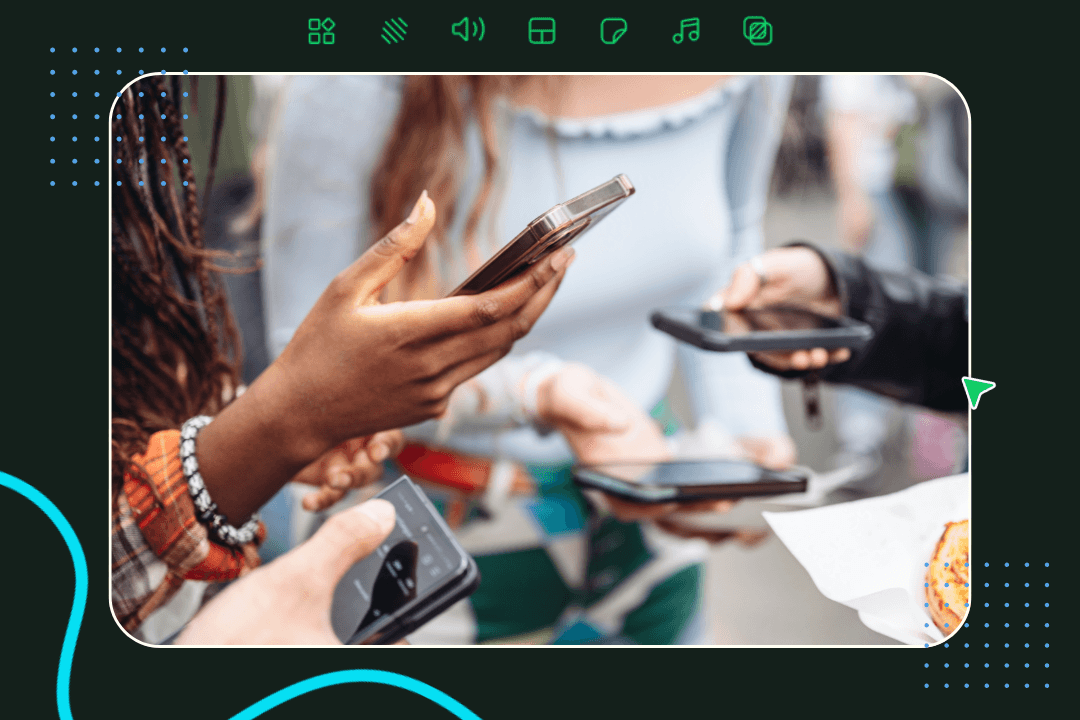
Can social media truly boost your happiness? This article explores the ways in which social media usage can enhance well-being, from fostering connections to improving self-esteem, ultimately linking social media and happiness. Discover how to make the most of your online interactions for a happier life.
Introduction to Social Media and Happiness
Social media platforms are now woven into the fabric of our daily routines, shaping how we connect, share, and experience the world. While there’s ongoing debate about the impact of social media usage on our happiness and mental health, research shows that routine social media use when approached with intention can have positive effects on our well-being. Engaging with social media in a balanced way can foster positive mental health, boost self-rated health, and enhance social well-being by keeping us connected to friends, family, and communities.
However, it’s important to recognize that excessive or unhealthy social media use can contribute to poor mental health. The key is to maintain a healthy perspective on social media’s role in our lives. By being mindful users, especially those with low self esteem we can harness the positive effects of social media to inspire, educate, and improve our communication skills. This mindful approach not only supports better health outcomes but also helps us build meaningful relationships and a greater sense of well-being in our everyday lives.
Key Takeaways
Social media can enhance happiness by fostering connectivity and engagement, especially for today's teens and brands.
It serves as a crucial platform for building strong social connections, providing support networks, and boosting self-esteem.
Mindful usage of social media, balanced with offline activities, is essential to maximize its benefits while minimizing negative impacts.
The Positive Impact of Social Media on Happiness
Social media platforms have revolutionized the way we communicate and connect with the world. With the ability to communicate anytime, anywhere, social media enables constant connection, fostering a sense of belonging and community. Additionally, social media platforms have transformed information sharing, allowing users to rapidly exchange knowledge and ideas across vast social networks. When used responsibly, social media can enhance well-being by fostering connectivity and engagement. For instance, studies indicate that social media can have positive effects on happiness, particularly among US teens.
Brands and creators leverage social media to connect, inspire, and engage with their audiences meaningfully. This not only enhances the experience for social media users but also amplifies the positive ways social media affects individuals. Social media marketing, when done right, can create a positive impact on both the brand and its followers, leading to better health outcomes and improved social well-being through brand promotion.
Overall, social media plays a vital role in enhancing our happiness by providing a platform for communication, creativity, and connection. Social media's role in fostering human connection and societal benefits is significant, as it can support learning, community engagement, and positive relationships when used mindfully. For young people, focusing on the positive aspects and being mindful of social media’s role allows us to maximize its benefits while minimizing negative impacts.
Building Strong Social Connections
Social media platforms have become a lifeline for maintain relationships and building social support networks, especially in our busy friends lives. Whether it’s connecting with family and friends across long distances or bridging the gap for those unable to meet face-to-face, communication social media enhances real life connections and fosters a sense of belonging in a social network and social platforms. In addition, social media can help strengthen in person networks by supplementing limited physical interactions, allowing people to maintain and even deepen face-to-face relationships when meeting in person is not always possible.
For long-distance couples, social media provides a way to engage in daily life virtually, strengthening their relationship despite the physical distance. Approximately 55% of Gen Z report feeling supported by their peers through social media, highlighting its role in building strong social connections. Moreover, social media allows individuals to connect with like-minded people, forming friendships and communities based on shared interests.
Students benefit from social media in several ways:
Connecting with mentors who provide guidance on their career aspirations.
Joining online study groups to collaborate on academic projects, fostering a sense of community and support.
Experiencing a sense of belonging and validation by sharing their thoughts and creativity on social media platforms.
Enhancing Self-Worth and Self-Esteem
Social media can significantly boost self-worth and self-esteem by:
Providing a platform for self-expression and validation.
Allowing individuals to share their accomplishments and receive positive feedback through likes and comments, which fosters a sense of belonging.
Facilitating positive interactions that lead to improved self-esteem, especially when individuals feel supported and connected.
Engagement in online communities with shared interests can help alleviate feelings of social isolation, thereby enhancing self-worth. Adolescents, in particular, perceive social media feedback as a measure of their popularity, which can significantly influence their body image and self-worth. When they receive positive reinforcement online, it tends to boost their self-esteem and overall well-being.
However, it’s crucial to be mindful of the content we engage with. Unfollowing accounts that negatively impact self-esteem can improve one’s social media experience and contribute to a healthier perspective. Focusing on positive interactions and communities turns social media into a powerful tool for enhancing self-worth and self-esteem.
Access to Support Networks
Social media serves as an invaluable platform for individuals with mental health challenges to find support and share personal experiences. Online peer support networks provide emotional and informational support, helping individuals cope with mental health issues and reducing feelings of isolation. Platforms like Facebook offer closed groups where individuals can interact with mental health coaches and peers for additional support.
Studies indicate that individuals with serious mental illness often use social media to maintain connections and receive support. Regular social media use is linked to improved social well-being and mental health when it fosters connections and supportive communities. These findings suggest that these communities enhance users’ creative pursuits and overall well-being through encouragement and feedback, which contribute to better health related outcomes.
Community involvement through social media can increase feelings of belonging and reduce stress, further contributing to mental health. Social media can also enhance customer engagement in treatment by connecting users with healthcare providers and mental health resources, promoting three health related outcomes and better health outcomes.
Discovering New Interests and Hobbies
Social media encourages users to explore new interests by connecting them with groups or communities that share similar passions. Whether it’s discovering a new hobby or diving into a different culture, social media broadens perspectives and interests, making daily life more enriching and fulfilling.
For young people and young adults, social media can be a gateway to uncovering their creative side and finding new business opportunities. Engaging with diverse content and communities helps social media users develop new skills and hobbies, enhancing their overall well-being and happiness for today’s teens. Artificial intelligence plays a significant role in shaping these experiences.
Celebrating Achievements and Milestones
Sharing personal accomplishments on social media can inspire and motivate others who may be on a similar path. Publicly acknowledging achievements, big or small, can foster positive feedback and build confidence in individuals. This sense of recognition and support can be especially uplifting during tough times, providing a boost of motivation and encouragement.
Receiving positive feedback through likes and comments on achievements serves to boost an individual’s confidence and motivation. Highlighting significant achievements helps to increase visibility, thus boosting credibility and motivating further success.
Celebrating milestones publicly can foster a sense of community and support among peers, enhancing overall well-being.
Promoting Mental Health Awareness
Social media platforms have become crucial in raising awareness about mental health issues, providing a space for discussion and knowledge sharing. A total of 31% of Americans think social media is very effective for raising awareness about social or political issues. Furthermore, 49% believe it is somewhat effective. Engaging with social media mindfully and as part of a routine maximizes mental health benefits and helps alleviate feelings of anxiety.
Social media encourages civic engagement in matters, helping users gain awareness of global issues and resources for better mental well-being. Promoting positive mental health and social awareness through social media contributes to better health outcomes and a healthier perspective on life.
However, it’s essential to balance routine social media use with other activities to avoid unhealthy social media use and potential privacy concerns. Mindful social media usage allows us to enjoy its benefits while maintaining overall well-being.
Educational Resources and Personal Growth
Social media platforms make online learning accessible and interactive, offering a wealth of educational resources for personal growth. These include:
Lectures
Webinars
Online courses
Events Social media provides access to diverse educational content that encourages students to learn and grow.
For college students and young adults, social media can be a powerful marketing tool for professional networking and discovering business opportunities. Engaging with educational resources and diverse information enhances users’ social well-being and self-esteem, leading to better health and personal development.
Creative Expression and Self-Expression
Social media serves as a platform for users to showcase their creativity, which can inspire others to pursue new hobbies. Whether it’s writing, drawing, or content creation, social media enables users to engage in creative activities that contribute to their happiness and self-expression. Constructive feedback helps students and young creators develop their talents and skills.
Moreover, social media broadens people’s perspectives by exposing them to diverse cultures and ideas, promoting tolerance and openness. This interactive nature of social media fosters social awareness and enhances overall well-being, allowing users to express their uniqueness and creativity.
Professional Networking and Business Opportunities
Social media sites have revolutionized the way we build professional networks and discover new business opportunities. Platforms like LinkedIn, Twitter, and even Instagram allow young adults and professionals to connect with like-minded individuals, expand their reach, and stay informed about the latest industry trends. Through professional networking on social media platforms, users can access a wealth of knowledge, diverse perspectives, and valuable contacts that can open doors to new career paths and collaborations.
For businesses, social media marketing has become a powerful marketing tool. Companies can engage with their audience, create targeted ads, and raise awareness about their products or services in real time. The interactive nature of social media enables brands to foster customer loyalty, promote their brand, and drive growth through creative campaigns and direct communication. Additionally, the availability of online courses, webinars, and other educational resources on social media platforms makes it easier than ever for professionals to upskill and stay competitive in their fields.
Whether you’re looking to grow your business, advance your career, or simply connect with like-minded professionals, social media offers endless opportunities for networking, learning, and success.
Building a Healthy Social Media Presence
Creating a healthy social media presence is essential for both individuals and businesses aiming to thrive online. This begins with finding a balance between social media usage and real-life interactions, setting clear boundaries, and being mindful of the content you consume and share. By focusing on positive, uplifting content and engaging with supportive communities, individuals and brands alike can foster social support, boost self-worth, and enhance self-esteem. For businesses, tools like Slate help reinforce this approach by making it easier to create thoughtful, high-quality content that aligns with positive messaging and consistent brand values rather than reactive or overly promotional posts.
Social media can also act as a powerful catalyst for civic engagement, social awareness, and activism by providing platforms to raise awareness, mobilize communities, and encourage meaningful conversations. However, it’s equally important to recognize potential downsides such as social media addiction, cyberbullying, and misinformation. Proactive steps like curating feeds, using privacy controls, and setting time limits can help mitigate these risks. From a brand perspective, Slate supports healthier engagement by enabling intentional content planning and collaboration, helping teams focus on purposeful communication instead of constant, unstructured posting.
According to the Pew Research Center, social media can have a positive impact on mental health when it’s used to connect with others, share experiences, and access educational resources. By being intentional and mindful in how social media is used—both personally and professionally—individuals can maintain meaningful relationships, promote well-being, and create a positive online environment. For brands, leveraging platforms like Slate ensures content creation remains aligned with long-term goals, authenticity, and community well-being. Ultimately, a healthy social media presence not only supports mental health but also empowers individuals and businesses to make a positive, lasting impact within their communities and beyond.
Balancing Screen Time for Optimal Happiness
Balancing screen time is crucial for maximizing the positive effects of social media and maintaining positive mental health. Practical methods to achieve this include:
Setting specific hours for social media usage to limit exposure and avoid social media addiction.
Evaluating personal relationships with social media to develop healthier usage patterns, recognizing that it's not just the frequency of use that matters, but also the context and manner in which social media is used.
Mitigating the adverse effects of excessive screen time through mindful usage.
Engaging in offline activities, such as hiking or reading, can enhance mental well-being and reduce reliance on social media, even those who are accustomed to frequent online interactions. Incorporating a healthy perspective on social media usage allows individuals to enjoy its benefits while maintaining overall happiness and social well-being.
Avoiding Negative Impacts
While social media has numerous positive effects, it’s essential to avoid its negative impacts by being mindful users. Individuals with low self-esteem or mental health challenges may be more vulnerable to the negative effects of social media, highlighting the need for mindful engagement. Excessive focus on social media interactions can create pressure, leading to social anxiety and negatively affecting self-esteem. Problematic internet use, especially when social media is used excessively or with strong emotional attachment, can further harm mental health and well-being. Additionally, live streaming on social media platforms poses specific risks for minors, such as exposure to predatory behaviors and exploitation.
Behavioral interventions to develop effortful control skills can help those with unhealthy social media use. The use of parental controls is also important, as they help safeguard children from negative effects like cyberbullying and inappropriate content by allowing parents to monitor and restrict online activities. Focusing on positive mental health and maintaining a healthy perspective, rather than just the frequency of use, helps users mitigate the negative impacts of social media while enjoying its positive effects.
Summary
In conclusion, social media, when used responsibly, can significantly enhance our happiness and well-being. From building strong social connections and boosting self-esteem to accessing support networks and discovering new interests, the positive effects of social media are vast and varied. However, in some countries, limited access to social media platforms can prevent populations from experiencing these benefits. By being mindful of our social media usage and focusing on its benefits, we can maximize its positive impact on our lives.
Remember, the key to reaping the benefits of social media lies in balancing screen time, engaging in positive interactions, and being mindful of our usage patterns. Embrace the positive aspects of social media and use it as a tool to connect, inspire, and grow. Your happiness and well-being are just a click away.
Frequently Asked Questions
1. Can social media really make people happier?
Yes—when used mindfully, social media can contribute to happiness. It allows users to connect with loved ones, share achievements, express creativity, and access supportive communities. The key lies in using social media intentionally, rather than excessively or for comparison.
2. How does social media affect mental health?
Social media can have both positive and negative effects. Positive engagement—such as connecting with friends, joining supportive groups, and consuming uplifting content—can improve mood and self-esteem. However, constant comparison or exposure to negative content may contribute to anxiety or stress, making balance crucial.
3. What are some ways to use social media for personal growth?
Follow accounts that inspire learning, creativity, or self-improvement. Engage with educational content such as webinars, online courses, and expert communities. Setting goals for your online activities ensures that your screen time adds real value to your personal development.
4. Can social media help improve self-esteem?
Yes. Sharing personal achievements and receiving positive feedback can enhance self-esteem and confidence. However, users should remember that likes and comments do not define self-worth. Focusing on genuine interactions and supportive communities has a far greater impact.
5. How can I build healthy social media habits?
Establish clear time limits, curate your feed to reflect positivity, and take regular breaks from screens. Engaging in offline hobbies, physical activities, and face-to-face conversations helps maintain a healthy balance between the digital and real world.
6. What should I do if social media makes me feel anxious or overwhelmed?
If social media usage leads to negative emotions, take a break, mute or unfollow triggering accounts, and focus on connecting with supportive people. Practicing mindfulness and gratitude while online can help reframe your experience toward positivity.
7. Are there specific social media platforms better for happiness and well-being?
Each platform offers unique benefits. For instance, Instagram and TikTok are great for creative expression, LinkedIn for professional growth, and Facebook or Reddit for community support. Choose platforms that align with your goals and values, not just popularity.