Slate Team
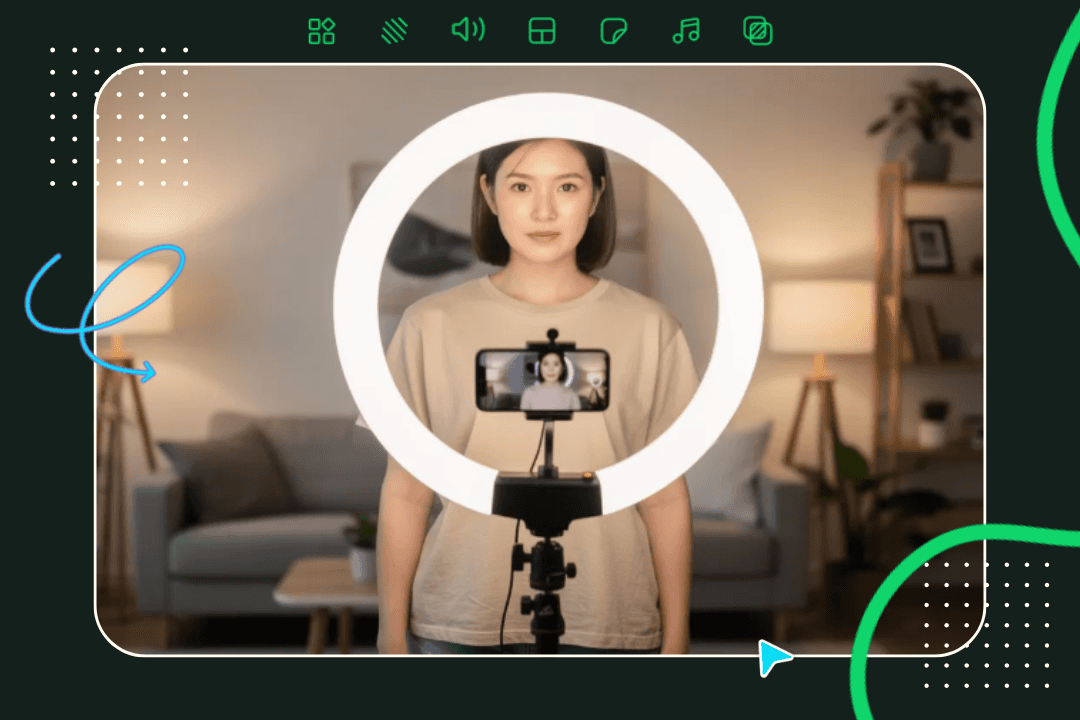
Influencer culture is more than a marketing buzzword—it’s the interconnected ecosystem of creators, brands, platforms, and audiences that has fundamentally reshaped how people discover products, form opinions, and participate in culture. Since Instagram’s launch in 2010 and TikTok’s global explosion after 2018, this ecosystem has grown into a defining force of the digital age, touching everything from what we buy to how we talk.
Over the past few years, influencer marketing has experienced rapid growth and evolution, with increased spending, new industry projections, and a major shift in how social media drives brand exposure and audience engagement.
At its core, influencer culture describes how social media influencers—individuals who have built dedicated followings on digital platforms—shape attitudes, tastes, and purchasing decisions through content that feels personal rather than corporate. Unlike traditional advertising, this influence operates through perceived authenticity, relatability, and the intimate, one-sided relationships followers develop with creators they’ve never met. Influencer culture is now a key part of the broader digital marketing landscape, which includes strategies like AI-driven virtual influencers and innovative social media campaigns.
You encounter influencer culture every time you scroll past a #GRWM (“get ready with me”) video, watch a TikTok product haul, or see a creator share their honest reviews of a skincare routine. In 2023, the “de-influencing” trend emerged on TikTok, where creators actively discouraged viewers from buying overhyped products—a phenomenon that could only exist within a mature influencer culture that had first normalized constant product recommendations.
But influencer culture extends far beyond marketing. BookTok, the book-focused corner of TikTok, drove measurable increases in U.S. print book sales throughout 2022 and 2023. Political commentary from creators shapes voter sentiment. Aesthetic trends like the 2022 “clean girl” look or early 2024’s “mob wife” style spread through creator content before reaching traditional media. Language itself evolves through influencer-driven slang and catchphrases.
Brands now organize entire marketing calendars around influencer-driven tentpoles. Black Friday TikTok campaigns, creator content surrounding the 2024 Olympics, product launches timed to align with viral trends—these aren’t afterthoughts but central pillars of modern marketing strategies.
Why does this matter for marketers and brands? That’s exactly what we’ll explore next.
Why Influencer Culture Matters for Brands and Marketers
Social media platforms like TikTok, Instagram, and YouTube have transformed into always-on recommendation engines where consumers turn first for product discovery. Research consistently shows that approximately 69% of consumers trust recommendations from social media influencers—often more than they trust traditional ads or even celebrity endorsements. The influencer marketing industry is projected to exceed $32.5 billion by 2025, reflecting how seriously businesses take this shift.
The benefits of influencer marketing are clear: increased brand awareness, higher trust, greater engagement, and strategic value in building a brand's credibility. By leveraging authentic partnerships, brands can drive purchase decisions and foster long-term loyalty.
This isn’t abstract theory. The power of influencer marketing shows up in concrete business outcomes every day:
Product sellouts: The “TikTok made me buy it” phenomenon drove cosmetics, kitchen gadgets, and fashion items to viral fame between 2021 and 2023, with some products selling out within hours of creator posts.
Local business booms: Restaurants and cafes regularly see lines around the block after local food creators feature them, turning a single social media post into weeks of increased foot traffic.
DTC brand building: Entire direct-to-consumer brands have been built almost entirely through influencer partnerships, bypassing traditional marketing channels completely.
Brands are increasingly focusing on measurable ROI from each influencer marketing campaign, such as customer acquisition costs, rather than relying on vanity metrics.
According to the Influencer Marketing Hub, 74% of consumers report purchasing products based on influencer suggestions as of 2026, and 75% use social media for purchasing advice. Influencer marketing campaigns earn $5.78 for every dollar spent, and 76% of users intended to purchase based on a social media post. Additionally, 60% of consumers are influenced by social media or a blog while shopping in-store, while 42% of customers use ad-blocking, making influencer content even more valuable. Notably, 85% of marketers state that influencer marketing is helping them with their customer acquisition efforts.
What makes influencer marketing work is the trust creators have built with their followers. Parasocial relationships—the one-sided but emotionally rich connections audiences form with influencers—mean that an influencer’s recommendation carries the weight of advice from a friend, role model, or someone with the same career or generation. Influencer marketing works because people want to buy from someone they trust, which directly impacts purchasing decisions and enhances a brand's credibility.
For companies looking to capitalize on this shift, the challenge isn’t just finding the right influencers—it’s maintaining brand consistency across dozens or hundreds of creator partnerships. This is where tools like Slate become essential. Slate helps teams give creators brand-safe templates, fonts, and visual assets that maintain messaging alignment without stifling the creative freedom that makes influencer content effective. Ensuring compliance, fostering authentic partnerships, and measuring the success of each influencer marketing campaign are critical for maximizing results.
In the sections ahead, we’ll break down influencer types, the cultural dynamics that power this ecosystem, associated risks, and how tools like Slate support consistent, collaborative creator workflows across campaigns.
From Celebrity Endorsements to Influencer Culture
Before social media, influence was concentrated in the hands of traditional celebrities. Think about the 1990s and early 2000s: Michael Jordan selling Nike, Britney Spears promoting Pepsi, Jennifer Aniston’s hair driving salon appointments. These campaigns followed a predictable pattern—polished TV spots, magazine spreads, and billboards where a famous face lent credibility to a brand’s message. Unlike traditional celebrities, influencers promote products through authentic, relatable content that resonates with their followers.
The shift began with smartphones. When the iPhone launched in 2007, it put high-quality cameras in everyone’s pockets. Suddenly, anyone could create and distribute content. Instagram’s 2010 launch, followed by Snapchat in 2011 and TikTok’s global rollout in 2016-2018, created platforms where ordinary people could build audiences rivaling those of celebrities—and often with stronger engagement rates.
This technological shift triggered a cultural one. Traditional marketing relied on polished, one-way brand messages delivered through broadcast media. Influencer culture runs on raw, interactive content where creators share their daily lives, respond to comments, and invite audiences into ongoing narratives. Influencers promote products in ways that feel organic and credible to their audiences, often through honest reviews and transparent partnerships. The 2020-2021 lockdowns accelerated this trend dramatically, with livestreams and vlog-style “day in the life” videos becoming dominant formats as people sought connection during isolation.
Several moments mark when influencer culture clearly diverged from traditional celebrity endorsement:
Beauty YouTubers like Jackie Aina eclipsed legacy beauty magazines as primary sources for product discovery and tutorials, building loyal followings through authentic partnerships with brands that aligned with their values.
Fitness creators on Instagram replaced the fitness magazines and celebrity workout videos of the past, offering free content and building trust through consistent, relatable posts.
Gaming streamers on Twitch and YouTube became more influential than traditional game marketing, with creators’ opinions driving purchasing decisions for games, hardware, and peripherals.
Parenting and lifestyle bloggers evolved into trusted advisors, their valuable recommendations carrying more weight than expert panels or magazine features.
The result is a landscape where influence is distributed, ongoing, and built on relationships rather than one-time impressions.
How Influencer Culture Works: Trust, Parasocial Ties, and Algorithms
The Psychology of Influence
Why do followers trust creators they’ve never met? The answer lies in parasocial relationships—the one-sided but emotionally meaningful connections audiences form with influencers through repeated exposure to their content. When you watch someone’s stories every day, hear about their struggles, and see them interact with their audience, you develop a sense of knowing them personally.
This psychological dynamic is why an influencer’s followers feel their recommendations are genuine rather than transactional. Research from the 2020s consistently shows that perceived authenticity, informative value, and similarity between creator and viewer drive stronger influence and enhance a brand’s credibility. We’re drawn to creators who share our interests, body type, lifestyle stage, or values—a concept researchers call homophily.
Social proof amplifies this effect. When we see someone we relate to using a product in their daily lives, it signals that the product is right for “people like us.” This is fundamentally different from seeing a celebrity endorsement, where the implicit message is often “aspire to be like me.”
How Algorithms Shape Culture
Algorithms on TikTok, Instagram Reels, and YouTube Shorts don’t just distribute content—they actively shape what becomes culturally dominant. These platforms prioritize content that generates engagement (likes, comments, shares, watch time), creating feedback loops that can catapult specific aesthetics, sounds, and narratives to mainstream visibility.
Consider how the “clean girl” aesthetic dominated TikTok in 2022: slicked-back hair, minimal makeup, neutral tones. Creators whose content matched this trend received algorithmic amplification, which drove more creators to adopt the aesthetic, which drove more amplification. By early 2024, the pendulum had swung to the “mob wife” look—bold, maximalist, fur coats. These trend cycles now move faster than traditional fashion cycles, and they’re driven almost entirely by influencer culture.
Content Type Matters
Not all influencer content drives the same outcomes. An informative skincare explainer—where a creator explains ingredients, shows application, and discusses results over time—typically generates higher purchase intent than a purely entertaining prank video. Potential customers respond to content that helps them make decisions.
This is why brands increasingly seek creators who can balance entertainment with education, producing content that builds trust and drives purchasing decisions rather than just views.
Types of Influencers Inside Modern Influencer Culture
Nano-Influencers: The Trusted Neighbors
Nano influencers typically have fewer than 10,000 followers. Despite their small reach, they often deliver the highest engagement rates and most trusted recommendations. Their audiences see them as peers rather than celebrities, and their content quality often emphasizes authenticity over production value. For brands, nano creators offer cost-effective access to tight-knit communities where honest reviews carry significant influence.
Micro-Influencers: The Niche Experts
Micro influencers (10,000-100,000 followers) represent the backbone of influencer culture by volume. They often specialize in specific niches—PlantTok creators obsessing over houseplants, FoodTok reviewers covering local restaurants, or fitness creators focused on postpartum recovery. Their audiences trust them as subject-matter experts, and their recommendations feel more personal than those from larger creators. A micro-influencer in the skincare space might have more purchasing influence over their audience than a celebrity with 50x the followers.
Macro-Influencers: The Cultural Bridges
Macro influencers (100,000-1 million followers) bridge niche communities and mainstream culture. They often started as micro-creators who grew their audiences over years of consistent content. Their reach makes them attractive for campaigns needing scale, while their histories give them credibility their audiences have watched develop. However, engagement rates typically decline as follower counts rise, and maintaining authenticity becomes more challenging.
Mega-Influencers: The Digital Celebrities
Mega influencers (1 million+ followers) operate more like traditional celebrities, with management teams, polished production, and significant brand partnership revenue. They drive brand awareness at scale but often generate lower relative engagement and may feel less relatable to audiences seeking peer-to-peer recommendations. Their role in influencer culture is visibility and cultural validation rather than trusted product guidance.
Virtual Influencers and Brand-Owned Creators
Emerging since 2023-2024, virtual influencers—AI-generated personas with curated storylines—represent a new category. Some brands have also launched their own creator accounts, attempting to capture influencer dynamics in-house. While these formats generate attention, they operate differently within culture than “real person” influencers, lacking the parasocial bonds built through authentic human experience. Their long-term role in influencer culture remains unclear.
Influencer Culture Across Platforms: TikTok, Instagram, YouTube & Beyond
TikTok: The Culture Engine
TikTok functions as the primary culture engine of the early-to-mid 2020s. Its algorithm prioritizes content over creator follower counts, meaning unknown creators can achieve massive reach if their content resonates. This democratization accelerated trend cycles and made TikTok the birthplace of most viral product moments.
The hashtag #TikTokMadeMeBuyIt accumulated billions of views, documenting everything from Stanley cups to skincare products that went viral. TikTok’s Creator Fund (launched 2020) and subsequent Creativity Program Beta attempted to monetize this influence, though creator payouts remain controversial. For brands, TikTok represents high-risk, high-reward territory: viral potential alongside rapidly shifting trends.
Instagram: The Visual Brand Platform
Instagram remains central to influencer culture for aesthetic-driven categories like fashion, beauty, travel, and lifestyle. Its Reels feature competes with TikTok for short-form video, while Stories and grid posts support curated visual branding. Instagram’s branded content tags and creator tools make it a preferred platform for formal influencer partnerships.
The platform’s users skew slightly older than TikTok’s, and its culture emphasizes polished presentation more than raw authenticity. Brands in premium categories often find Instagram’s visual ecosystem better suited to their positioning than TikTok’s more casual vibe.
YouTube: The Long-Form Trust Builder
YouTube’s long-form format enables deep storytelling and comprehensive product reviews that build strong parasocial bonds and high purchase intent. Since approximately 2010, creators in gaming, tech, beauty, and lifestyle have developed long term relationships with brands, becoming trusted authorities in their categories.
YouTube videos have longer shelf lives than ephemeral TikToks or Stories, making them valuable for evergreen product discovery. The platform’s monetization through ads and memberships also creates more stable creator economics, supporting professional-grade content.
Emerging Platforms
Twitch dominates gaming and livestream culture, where creators’ real-time engagement creates intense community bonds. Snapchat maintains relevance among younger users through private sharing and creator-specific features. Threads and X continue evolving as platforms for commentary and real-time cultural conversation, though their roles in commercial influencer culture remain secondary to the big three.
Case Studies: Influencer Culture Turning Moments into Movements
Accessibility Advocacy and Accessible RV Travel
Disability travel advocates on Instagram and TikTok transformed the conversation around accessible travel options in 2022-2023. Creators with mobility needs documented their experiences with modified RVs, accessible campgrounds, and adaptive equipment. Their content wasn’t traditional marketing—it was lived experience shared with communities who saw themselves represented.
These micro and nano creators used vlog-style content, showing real trips with real challenges and solutions. The result? Increased inquiries for accessible RV modifications, more visibility for adaptive travel products, and a shift in how travel brands approach accessibility in their marketing. The authenticity of the content—showing frustrations alongside successes—built credibility that polished traditional advertising could never achieve.
Small Skincare Brands Going Viral
Between 2021 and 2023, several small skincare brands achieved dramatic growth through TikTok virality without traditional celebrity endorsement. CeraVe, though not small, benefited enormously from dermatologist creators explaining its formulations. Truly indie brands saw similar effects when nano and micro skincare creators incorporated their products into routine videos.
The content style that worked best was educational: ingredient breakdowns, before-and-after documentations, and honest reviews including products that didn’t work. This informative approach respected audience intelligence and built the trust necessary for consumers to try unknown brands. Some products sold out within days of viral moments, with brands struggling to meet demand.
Creator-Led Voter Registration
During the 2020 and 2024 U.S. election cycles, creators across political spectrums participated in voter registration drives that reached millions of potential customers—in this case, potential voters. These efforts blended entertainment with civic education, using platform-native formats like TikTok challenges, Instagram Stories with swipe-up links, and YouTube explainers.
The effectiveness came from reach into demographics that traditional civic campaigns struggled to access. Young viewers who ignored traditional PSAs engaged with creators they already followed. The campaigns demonstrated influencer culture’s significant influence beyond commercial applications—reshaping political participation patterns.
Cross-Platform Campaign Integration
One illustrative pattern involves brands that blend paid and organic creator content across platforms. A beauty brand might seed products with micro creators who post authentic TikTok reviews, then repurpose successful content as paid ads, coordinate macro influencer YouTube tutorials for depth, and cap with Instagram carousel posts featuring user-generated content. This cross-channel approach leverages each platform’s strengths while building cultural presence through repetition and variety.
Economic Engine: The Business of Influencer Culture
The influencer marketing industry has evolved from experimental line items to a cornerstone of marketing strategies across categories. Industry projections suggest the market will surpass $30 billion by 2025, with brands reporting average returns of $5-6 for every $1 spent on influencer marketing campaigns—though measurement remains complex and varies significantly by category and execution.
The Ecosystem Supporting Influence
A robust ecosystem has emerged to support influencer culture’s economic activity:
Ecosystem Component | Function | Example |
|---|---|---|
Creator Management Agencies | Represent creators, negotiate deals | Digital Brand Architects, Whalar |
Influencer Marketing Platforms | Match brands with creators, manage campaigns | Aspire, CreatorIQ, GRIN |
Affiliate Networks | Track sales, manage commissions | RewardStyle (LTK), Amazon Associates |
Creator Funds | Platform-based creator payments | TikTok Creativity Program, YouTube Partner Program |
Brand Creator Relations Teams | In-house influencer partnership management | Formed at major brands since 2017-2018 |
Campaign Spend Realities
Brands now budget significant sums for integrated influencer marketing efforts:
Small campaigns: $1,000-$10,000 for nano/micro creator partnerships
Mid-tier launches: $10,000-$100,000 for multi-creator campaigns
Major initiatives: $100,000-$500,000+ for multi-platform, multi-influencer product launches
These investments create operational challenges. When a brand works with 50 creators across TikTok, Instagram, and YouTube, managing version control, brand guidelines, and approval workflows becomes exponentially more complex.
Operational Infrastructure
This is where tools like Slate become critical infrastructure. As brands scale their influencer partnerships, they need systems that:
Distribute approved templates, fonts, colors, and overlays to creators
Enable creators to customize content within brand-safe parameters
Reduce revision cycles and approval bottlenecks
Maintain visual consistency across platforms and creators
Slate addresses these needs by providing shared creative systems that influencers can easily adapt to their own style while staying on-brand. This operational layer supports the economic engine of influencer culture by making large-scale campaigns viable without sacrificing consistency.
How Brands Can Navigate Influencer Culture Strategically
Start by Listening
Before launching influencer marketing campaigns, successful brands invest time understanding the communities they want to reach. This means actively engaging with social media platforms—not just scheduling social media posts, but observing conversations, identifying subcultures, and mapping where their brand might authentically participate.
Key questions to answer before outreach:
What content do your ideal customers already consume?
Which creators do they trust for recommendations in your category?
What values and aesthetics resonate with these communities?
Where can your own brand show up without feeling forced?
Prioritize Fit Over Follower Count
The most effective influencer partnerships come from alignment between creator and brand values, audiences, and content style—not raw reach. Micro influencers and nano influencers often deliver higher engagement rates and more trusted recommendations than mega creators. An influencer’s followers who genuinely care about a niche will respond more strongly to relevant partnerships than a larger but less engaged audience.
Evaluate potential partners on:
Content quality and consistency
Audience demographics and engagement patterns
Previous brand partnerships and authenticity
Values alignment with your brand messages
Design Collaborative Partnerships
Rather than handing creators rigid scripts that feel like traditional ads, design collaborations that respect their creative freedom. Effective approaches include:
Co-creation: Involve creators in concept development, not just execution
Early access: Provide products before launch for authentic integration
Behind-the-scenes involvement: Let creators document real experiences with your brand
Flexible briefs: Define guardrails and brand requirements while leaving room for creator voice
Equip Creators with the Right Tools
Speed matters in influencer culture. Trend cycles move fast, and creators need to produce content quickly while maintaining brand consistency. Slate helps creative and social teams brief influencers with ready-made, on-brand visual systems—frames, lower-thirds, logos, color palettes—that slot directly into TikToks, Reels, and Stories.
This approach speeds up workflows, reduces off-brand posts, and respects creator autonomy by providing flexible templates rather than rigid mandates.
Ethics, Transparency, and the Critiques of Influencer Culture
The Valid Criticisms
Influencer culture isn’t without significant problems. Critics rightfully point to:
Overconsumption: Constant product hauls and “must-have” recommendations drive unsustainable purchasing patterns, particularly among younger users
Creator burnout: The pressure to post daily, maintain engagement, and constantly perform for audiences has driven well-documented mental health challenges since approximately 2018
Undisclosed sponsorships: Despite regulations, some creators still blur the line between genuine recommendations and paid promotions, undermining consumer behavior and trust
Misaligned partnerships: Brands partnering with creators whose values don’t align—or who later become controversial—face reputational damage
Regulatory Responses
The FTC in the United States and similar bodies globally now require clear disclosure of paid partnerships. Using #ad, #sponsored, or platform-specific branded content tags isn’t optional—it’s legal compliance. Enforcement became notably stricter in the late 2010s and early 2020s, with high-profile cases establishing precedent.
Requirements include:
Clear, conspicuous disclosure at the beginning of content
Honest reviews that reflect genuine experience
No misleading claims about products or services
Disclosure of material connections including free products
The De-Influencing Counter-Movement
In 2023, “de-influencing” emerged on TikTok as creators actively discouraged followers from buying overhyped or unnecessary products. This internal critique within influencer culture demonstrated audience fatigue with constant consumption messaging and creators’ awareness of their responsibilities.
De-influencing content often performs well precisely because it feels authentic—creators admitting that a viral product wasn’t worth the hype builds trust more than endless enthusiastic endorsements.
Guidance for Ethical Brand Participation
Brands navigating influencer culture responsibly should:
Prioritize long-term relationships over one-off transactional posts
Select values-aligned partners whose content and behavior align with brand positioning
Insist on transparent disclosure in all partnerships
Avoid manipulative tactics that exploit parasocial relationships
Support creator well-being with reasonable expectations and fair compensation
Consistent, honest branding—supported by tools like Slate for clear messaging and visual cohesion—helps maintain brand integrity while still participating actively in influencer culture.
Influencer Culture and the Future of Marketing
The Next 3-5 Years
Influencer culture will continue evolving from a marketing tactic into strategic infrastructure. Key trends include:
Creator-led product lines: More brands will develop products in genuine collaboration with creators, not just endorsement deals
Community-owned brands: DAOs and community governance models may give loyal followings ownership stakes in brands they help build
Creator-brand integration: The line between influencer partners and in-house creative teams will blur, with some creators taking formal roles
AI and Virtual Influencers
Artificial intelligence will increasingly support content creation—helping with editing, scripting, thumbnail optimization, and even synthetic voiceovers. Virtual influencers (CGI personas) will expand but face inherent limitations. Human authenticity and real community ties will remain central to effective influence. Audiences can sense when relationships are genuine, and that discernment won’t disappear.
Emerging Formats
Social commerce will accelerate through:
Livestream shopping: Already dominant in Asia, expanding globally
Shoppable short-form video: Native checkout within TikToks and Reels
Private community spaces: Discord servers, paid newsletters, and subscription platforms where creators build deeper relationships with targeted audiences
Infrastructure for the Influencer Era
As influencer culture matures, brands will treat creator programs as long-term strategic pillars rather than one-off experiments. This shift requires stronger infrastructure for measurement, workflow management, and brand consistency across large creator networks.
Slate fits into this future infrastructure by helping brands operationalize influencer culture at scale. Standardizing brand look and feel across dozens of creators, enabling faster content turnaround, and supporting authentic yet consistent storytelling—these capabilities become essential as influencer marketing evolves from experiment to expectation.
Conclusion: Building Authentic, Scalable Partnerships in Influencer Culture
Influencer culture is now a core part of how people discover products, form opinions, and participate in culture. This isn’t a passing trend or a niche tactic—it’s the operating system of modern consumer discovery. The brands that succeed won’t be those with the biggest budgets, but those that genuinely respect the creator-audience relationship and invest in building long term relationships rather than chasing viral moments.
Success in influencer culture requires treating creators as partners, not vendors. It means equipping both internal teams and influencers with the right tools and guardrails to produce content that feels authentic while maintaining brand consistency. It demands understanding that drive brand awareness isn’t just about reach—it’s about building trust through valuable recommendations that respect audience intelligence.
Slate serves as an enabling platform for this new reality, helping brands collaborate with creators on on-brand social content at scale. If you’re looking to operationalize your influencer marketing strategy more effectively—giving creators the assets they need while maintaining visual and messaging alignment—explore what Slate can do for your team.
The future belongs to brands and creators who approach influencer culture as a shared responsibility: shaping culture authentically, transparently, and with genuine value for the audiences they serve.
Frequently Asked Questions
What is influencer culture?
Influencer culture is the social media ecosystem where creators, platforms, audiences, and brands shape trends, opinions, and purchasing behavior. It works through creator-audience trust, platform algorithms, and repeated exposure that makes recommendations feel personal rather than like traditional advertising.
Why does influencer culture matter for brands?
Influencer culture matters because social platforms are now major discovery engines. Creator recommendations can drive awareness, trust, and sales faster than many traditional channels, especially when partnerships align with audience interests and feel authentic.
What is a parasocial relationship and why does it matter in influencer marketing?
A parasocial relationship is a one-sided bond where followers feel emotionally connected to a creator they don’t personally know. It matters because it increases perceived trust—so a creator’s recommendation can carry “friend-like” credibility and influence buying decisions.
How do algorithms shape influencer culture?
Algorithms shape influencer culture by boosting content that drives watch time, shares, and comments. This creates feedback loops where certain aesthetics, sounds, and narratives spread rapidly, pushing trends into mainstream culture and rewarding creators who match what the algorithm favors.
What are the main types of influencers?
Influencers are commonly grouped by audience size:
Nano (under ~10K): highest trust, tight communities
Micro (~10K–100K): niche expertise, strong relevance
Macro (~100K–1M): scalable reach, broader influence
Mega (1M+): mass awareness, more “celebrity-like” impact
Which platform is best for influencer marketing: TikTok, Instagram, or YouTube?
It depends on the goal:
TikTok: fastest trend velocity and viral discovery
Instagram: premium visual branding, polished presentation
YouTube: deeper trust via long-form reviews and evergreen search value
Most strong programs use a mix based on funnel stage.
What makes influencer content drive purchase intent (not just views)?
Purchase intent increases when content is informative and specific: clear benefits, real use cases, demonstrations, comparisons, and honest pros/cons. Entertainment can boost reach, but education + credibility tends to convert better.
What are common risks of influencer culture for brands?
Common risks include misaligned creators, audience backlash, unclear disclosures, over-commercialization, and trend misfires. Brands also face operational risk: inconsistent messaging, off-brand visuals, and slow approval cycles across many creators.
What are FTC disclosure rules in influencer marketing?
In general, paid partnerships must be disclosed clearly and prominently (e.g., “ad,” “sponsored,” or platform branded content labels). Disclosures should be easy to see at the start of content, and claims must be truthful and not misleading.
What is “de-influencing”?
De-influencing is a creator trend where influencers discourage buying overhyped products or promote more mindful purchasing. It gained traction because audiences became more skeptical of constant product promotion and rewarded creators who felt more honest.
How should brands choose the right influencers?
Brands should prioritize fit over follower count:
Audience overlap (demographics + interests)
Content style and quality
Values and brand safety alignment
Engagement authenticity (not inflated)
Past partnerships and credibility in-category
How can brands maintain consistency across many influencer partnerships?
Brands maintain consistency by providing creators with clear guardrails (key messages, do/don’ts, claims, disclosure requirements) plus brand-ready assets (templates, fonts, overlays, colors). The goal is consistent branding without scripting away creator voice.
How can Slate support influencer programs?
Slate can support influencer programs by helping teams share brand-safe templates and assets, streamline approvals, reduce revisions, and keep content visually consistent across multiple creators and platforms—while still allowing creators to adapt content to their own style.