Slate Team
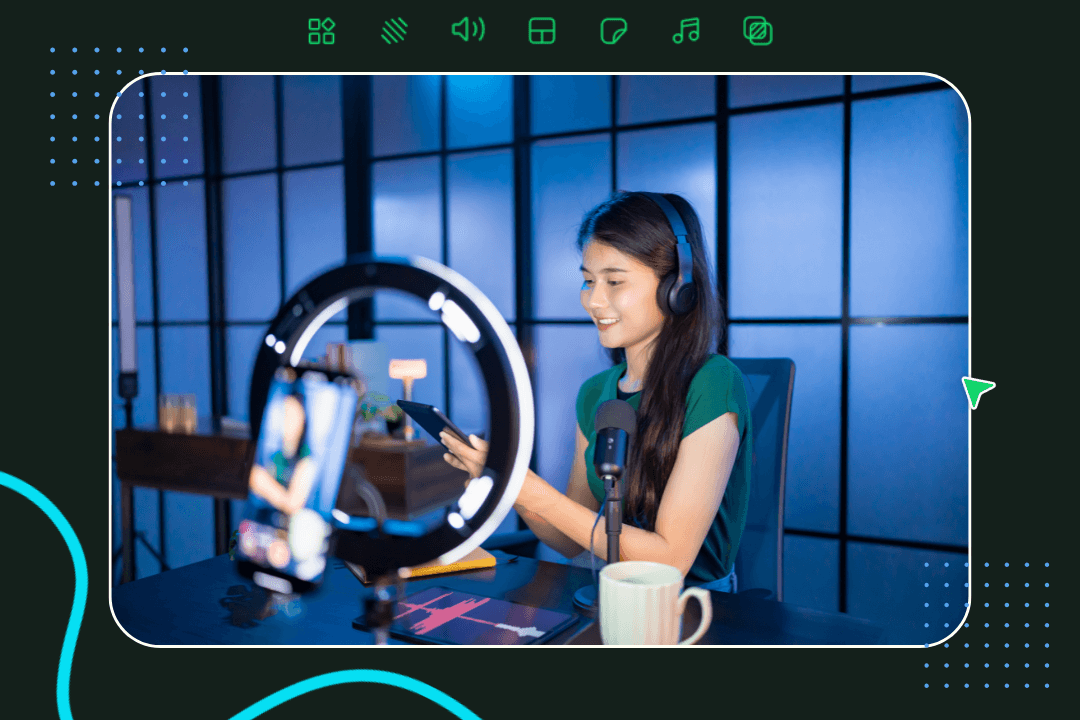
The days of chasing mega influencers with millions of followers and six-figure fees are shifting. More brands are discovering that smaller creators—often with just a few thousand highly engaged followers—can drive conversions, build trust, and generate authentic content at a fraction of the cost. These everyday people are called nano influencers, and they’re reshaping how companies approach influencer marketing in 2024.
This guide explores everything you need to know about working with nano influencers: what defines them, why they matter, how to find them, and how to run successful nano influencer campaigns that deliver measurable results. Whether you’re a startup testing your first creator partnerships or an established brand looking to diversify your content strategy, nano influencers offer a compelling path forward.
What Is a Nano Influencer?
A nano influencer is a content creator who leads a small but deeply engaged community, typically with between 1,000 and 10,000 followers on platforms like Instagram, TikTok, or YouTube. Unlike celebrities or full-time influencers with massive followings, nano influencers are usually everyday people—students, parents, fitness enthusiasts, hobbyist bakers, or local experts—who have built trust within specific niches through consistent, authentic content.
The follower range can vary slightly depending on who you ask. Some brands start testing with creators who have as few as 500 followers, while others cap the nano tier at 10,000. For most 2024 campaigns, the sweet spot falls between 1,000 and 10,000 followers on a primary social media platform. What matters more than the exact number is the quality of connection these creators maintain with their audiences.
The strength of nano influencers lies in depth over breadth. While a mega influencer might reach millions of passive scrollers, a nano influencer with 4,000 followers often sees higher comment rates, more DMs, and genuine conversations sparked by their posts. Their audiences aren’t just watching—they’re participating.
Consider someone like a Portland-based skincare enthusiast with 4,200 Instagram followers and an 8% engagement rate. Her audience knows her skin type, trusts her product recommendations, and actively asks questions in her comments. When she shares an unboxing of a new serum, it doesn’t feel like an ad. It feels like advice from a friend who happens to share their interests.
Why Brands Are Shifting Budget to Nano Influencers in 2024
The market shift toward smaller creators is no longer a trend—it’s becoming standard practice. Recent industry surveys show that nearly 70% of brands plan to increase their investment in nano and micro influencers through 2024. This move reflects a broader change in how marketers think about influence, reach, and return on investment.
Several factors are driving this shift:
Lower costs make experimentation accessible. Brands can work with 30, 50, or even 100 nano creators for the same budget that would secure a single macro influencer post. This allows for more diverse content, broader testing, and reduced risk if any individual partnership underperforms.
Higher engagement translates to real results. Nano influencers often achieve 2-3x the engagement rates of larger creators. Studies from 2022-2023 consistently show that as follower counts decrease, engagement percentages increase—meaning nano audiences are more likely to save, share, and act on content.
Authentic word-of-mouth feels different. Consumers have grown skeptical of polished celebrity endorsements. When a nano influencer with 3,000 followers recommends a product, it registers as a genuine peer recommendation rather than a paid placement. This authenticity drives purchase decisions in ways traditional advertising struggles to match.
Content diversity fills brand libraries. Working with many small scale influencers generates a wide variety of content styles, hooks, and perspectives. Brands can test what resonates without putting all their eggs in one creative basket.
Many companies now allocate test budgets to 20-50 nano creators per campaign instead of concentrating spend on one or two large influencers. Slate supports this approach by streamlining workflows for brands working with creators at every level, making it practical to manage dozens of nano partnerships without overwhelming your team.
Key Benefits of Working With Nano Influencers
Working with nano influencers offers a distinct combination of advantages that larger creator partnerships often can’t match. The core benefits include authenticity, higher engagement, cost efficiency, precise niche targeting, and scalable content production.
Authenticity is perhaps the most valuable asset nano influencers bring. Their followers often know them personally or follow them because of shared interests and local connections. When these creators recommend a product, it feels like genuine advice rather than scripted promotion. This personal connection builds trust that directly influences audience sentiment and purchase decisions.
Engagement rates among nano influencers consistently outperform larger accounts. Typical Instagram nano engagement rates fall between 4-8%, compared to roughly 1-2% for accounts with larger followings, according to 2023 reports. On TikTok, highly engaged audiences generate even stronger signals, with nano creators in categories like beauty and fitness regularly seeing 5-10% engagement per video.
Cost efficiency opens doors for brands of all sizes, including startups and local businesses. Realistic compensation ranges for nano creators in 2024 fall between $50-$200 per post on Instagram or TikTok for niches like beauty, fitness, or food. Some partnerships work on a free product basis plus a small fee, making it accessible to test and learn without major budget commitments.
Niche reach allows brands to connect with specific niches and audiences that broader campaigns would miss. Think of a 3,500-follower running coach in Austin who speaks directly to marathon training, or a 6,800-follower gluten-free baker in London whose audience actively seeks celiac-friendly recipes. These niche audiences are uniform in their interests, making recommendations highly relevant.
Content volume becomes a strategic advantage when you work with many creators. Brands can partner with 30-100 nano influencers to generate dozens of on-brand Reels, Stories, or Shorts in a single campaign cycle. This volume provides data to identify what works, assets for repurposing, and a steady stream of fresh content.
Authenticity and Trust at Scale
Nano influencers often respond to DMs and comments individually, creating real relationships that larger creators simply can’t maintain. When someone with 5,000 followers takes time to answer a question about how a protein bar tastes or whether a moisturizer works for sensitive skin, that interaction builds trust that extends to every future recommendation.
This intimacy translates directly into credibility when they recommend products. Whether it’s skincare, consumer packaged goods, local services, or SaaS tools for freelancers, their endorsements carry weight because they come from someone the audience actually knows and respects. That’s the kind of personal connection that drives conversions.
Consider a nano influencer in Chicago sharing a genuine unboxing of a new protein bar. Her post sparks 40+ comment threads asking about taste, ingredients, and where to buy. These meaningful interactions represent exactly the kind of engaged audience that turns content into sales. Slate helps brands preserve this authenticity by allowing creators to edit content natively in brand-approved templates instead of forcing them into over-scripted assets that feel disconnected from their usual voice.
Higher Engagement and Stronger Community Signals
For many 2024 campaigns, how much engagement content generates matters far more than raw follower counts. Saves, shares, replies, and genuine conversations signal to algorithms—and to brands—that content is resonating with audiences.
The benchmarks support this focus. Nano TikTok creators in beauty often see 5-10% engagement per video, compared to around 3% for larger accounts. On Instagram, nano Reels consistently outperform macro content in saves and shares relative to reach. These aren’t vanity metrics—they represent people actively choosing to remember and spread content.
In practice, higher engagement rates look like thoughtful comments, UGC replies, stitches and duets, and follow-up questions about product usage. A nano fitness creator posting about a new pre-workout supplement might receive dozens of comments asking about timing, taste, and stacking suggestions. This community interaction validates that the influencer’s content resonates and that their audience trusts their recommendations.
Many Slate customers use creator content with strong engagement signals as “anchor assets” for paid social and whitelisting, extending the reach of their best-performing nano content through targeted advertising.
Budget-Friendly, Lower-Risk Experiments
Nano influencer fees are generally accessible to brands of all sizes, removing one of the biggest barriers to entering influencer campaigns. A startup with a modest marketing budget can run a meaningful nano program, while established brands can use nano partnerships to test new markets or messaging without significant financial risk.
The pricing difference is substantial. Nano creators typically charge $50-$300 per post, while macro influencers often command $5,000-$50,000+ for a single placement in 2024. This cost effectiveness means brands can run A/B tests across many nano influencers—experimenting with different hooks, formats, and offers—without exhausting their budget on a single high-stakes partnership.
Here’s a concrete example: imagine reallocating a $20,000 budget from a single macro post into 80-100 nano deliverables. Instead of betting everything on one creator’s interpretation of your message, you get diverse content, multiple data points, and the ability to identify what actually resonates with your target audience. Slate streamlines this testing by standardizing brand visuals while letting each creator keep their unique voice and audience approach.
How Many Followers Count as a Nano Influencer?
Exact follower thresholds vary by platform, agency, and campaign type, but industry standards in 2024 have settled into generally accepted ranges. For most purposes, a nano influencer has between 1,000 and 10,000 followers on their primary social media platform, whether that’s Instagram, TikTok, YouTube, or another channel.
Some contexts push these boundaries in either direction. B2B brands and LinkedIn-focused companies may consider creators with 500-5,000 highly targeted followers as nano influencers, recognizing that in specialized professional niches, a smaller audience size can still deliver significant influence. On the other end, some beauty and lifestyle brands extend the nano tier up to 15,000 followers when working in highly competitive categories.
For context, here’s how the typical influencer tiers break down in 2024: nano influencers sit at 1,000-10,000 followers, micro influencers offer broader reach at 10,000-100,000 followers, macro influencers cover 100,000-1 million followers, and mega influencers exceed 1 million followers. Each tier serves different campaign objectives—nano excels at authenticity and engagement, while larger tiers prioritize reach and awareness.
Slate supports creators across all tiers but sees particularly strong performance data from nano creators starting at about 1,000 followers in 2023-2024 campaigns. These smaller creators consistently deliver cost-efficient engagement that brands can leverage across their marketing strategy.
Where Nano Influencers Thrive: Platforms and Niches
Nano influencers exist on every major social media platform, but some channels lend themselves better to early growth and deeper connection. The platform choice often reflects both where the creator’s community lives and where their content format performs best.
Instagram remains a primary home for nano influencers, with Reels, Stories, and Close Friends features enabling both public content and intimate community engagement. TikTok’s algorithm-driven discovery through the For You page makes it possible for nano creators to occasionally reach massive audiences, even with small follower bases. YouTube supports nano influencers through Shorts and niche long-form channels, where dedicated subscribers often generate higher watch time and engagement than passive followers elsewhere.
Popular niches among nano creators in 2024 include skincare routines, meal-kit and recipe reviews, budget travel, pet care, home workouts, and small-business tools. These specific niches allow creators to build expertise and credibility that translates directly into influence when they recommend products.
A typical day for a nano influencer might involve posting a morning skincare Reel on Instagram, sharing behind-the-scenes prep in Stories, then filming a quick TikTok review of a new product that evening. Slate supports this multi-platform approach by enabling on-brand templates sized for vertical video, Stories, and Shorts—making it easy for brand partners to maintain consistency across channels.
Instagram and TikTok Nano Influencers
Instagram and TikTok are the most common starting points for nano influencers because of their built-in discoverability. Reels and the For You page surface content from smaller accounts to new viewers, allowing nano creators to grow their following organically while maintaining the community intimacy that makes them valuable.
Typical content formats on these platforms include GRWM (Get Ready With Me) videos, quick tutorials, before/after transformations, product unboxings, and 15-60 second reviews. These formats work well for nano creators because they’re authentic, relatively easy to produce, and align with how their audiences naturally consume content.
Consider a 7,800-follower nano fashion creator in New York City who posts 3 Reels per week featuring thrifted outfits and sponsored accessories. Her content maintains a consistent aesthetic while feeling spontaneous and relatable. Followers engage because they trust her styling choices and appreciate that she responds to questions about where to find specific pieces.
Slate customers often build brand-specific Reels and TikTok templates that nano creators can customize with their own footage and voiceover. This approach preserves creative freedom while ensuring consistent visual branding across dozens of posts—allowing brands to engage nano influencers at scale without sacrificing quality.
YouTube, Podcasts, and Other Long-Form Channels
Some nano influencers maintain small but highly engaged YouTube channels in niches like productivity, coding tutorials, or meal prep. With 2,000-5,000 subscribers, these creators might seem insignificant compared to top influencers, but their audience loyalty often translates into exceptional influence.
On long-form platforms, average view counts and watch time matter more than subscriber numbers when evaluating nano creators. A YouTube creator with 4,300 subscribers whose weekly meal-prep video consistently earns 1,500-2,000 views and dozens of engaged comments represents genuine influence. Those viewers chose to spend 10-15 minutes with that creator, demonstrating attention that a quick scroll past a Reel simply can’t match.
Brands can work across formats by repurposing content elements. Slate templates designed for short-form clips can also support long-form recaps, channel trailers, and YouTube Shorts—making it practical for brands to partner with nano creators who produce content across multiple platforms and formats.
How to Find Nano Influencers for Your Brand
Over 90% of creators globally fall into nano tiers, which means finding suitable influencers isn’t about scarcity—it’s about fit. The challenge is discovering creators whose audiences, values, and content styles align with your brand.
A practical approach follows four steps. First, define your audience clearly: demographics, interests, platforms, and the problems your product solves. Second, search natively on platforms by exploring relevant hashtags like #veganrecipes, #momsoftoronto, or #indiedevs, then sort by recent posts to find active creators. Third, use social listening and influencer discovery tools to identify accounts frequently mentioned in conversations relevant to your space. Fourth, invite your own customers and fans to become nano partners—they already know and love your product.
Many successful programs start with existing social media accounts that already engage with the brand. These insider nano influencers understand the product authentically and often have perfectly aligned audiences. Slate customers frequently recruit existing social followers and UGC creators as nano partners first, then scale with external discovery tools once they’ve refined their approach.
The 2023-2024 landscape has made discovery easier in some ways. TikTok’s search function now operates like a discovery engine, making it simple to find influencers creating content around specific topics. Instagram’s keyword search and hashtag exploration remain reliable methods for building initial prospect lists.
Leaning on Social Listening and Discovery Tools
Social listening tools help identify accounts frequently mentioned in conversations relevant to your brand. These tools can surface nano creators who are already talking about your category, your competitors, or topics adjacent to your product.
While some brands invest in specialist discovery software, many still rely on a combination of manual research and in-platform analytics in 2024. The key is consistency: systematically searching hashtags, reviewing tagged content, and noting which smaller creators are generating genuine engagement in your space.
A practical workflow involves exporting a shortlist of 50-100 nano creators, then manually reviewing each for content quality, comment sentiment, and posting consistency. This vetting step matters because brand values alignment and authentic engagement are more important than follower counts. Once creators are selected, Slate can standardize branded content elements—fonts, colors, overlays—without limiting each creator’s own style and voice.
Activating Existing Customers and Employees
The best nano influencers might already be fans of your brand. Engaged customers, newsletter readers, store visitors, and even employees often have small but perfectly aligned social media accounts. These “insider” nano influencers bring authentic enthusiasm that can’t be manufactured.
Consider a DTC beverage brand that launched a 2023 nano program by inviting 250 of their most engaged customers to join a private creator community. These customers already loved the product, regularly posted about it organically, and had followers who shared their interests. The program generated hundreds of pieces of authentic content from people whose advocacy felt genuine because it was.
This approach works particularly well for local businesses and brands with strong community connections. Employees, loyal customers, and local enthusiasts can connect with audiences in their immediate networks, creating word-of-mouth impact that scales through authenticity rather than reach. Slate supports these programs by giving internal and external creators one unified, easy-to-use content hub with pre-built brand templates that maintain consistency across all participants.
Planning a Nano Influencer Campaign: Step-by-Step
Running successful nano influencer campaigns requires structure without rigidity. This section walks through key stages: goal-setting, budget, creator brief, content workflow, and approvals.
A typical nano campaign might involve 20-200 creators over 4-12 weeks, depending on your region, vertical, and campaign objectives. The scale is flexible—start smaller to learn, then expand as you identify what works. Design campaigns around specific milestones like product launches, seasonal sales, new store openings, or feature releases.
Slate helps streamline this process by centralizing creative direction and enabling on-brand content creation directly on creators’ phones. This approach maintains brand consistency while respecting the creative freedom that makes nano content authentic.
1. Set Clear, Measurable Objectives
Objectives should be specific and time-bound to guide both execution and evaluation. Examples include increasing UGC volume by 100 pieces in Q2 2024, driving 1,000 tracked signups in 30 days, or generating 500 pieces of nano content for paid social testing.
Common objective categories fall into three buckets:
Category | Metrics | Best For |
|---|---|---|
Awareness | Reach, impressions, video views | Brand launches, new market entry |
Engagement | Comments, shares, saves, DMs | Community building, brand affinity |
Performance | Clicks, trials, revenue, signups | Conversion-focused campaigns |
When direct conversions are a goal, use unique tracking links, promo codes, or dedicated landing pages for nano creators. A simple discount code like SARAH15 not only incentivizes purchases but also enables clear attribution.
Slate customers often tag and categorize creator assets by objective so they can reuse awareness content for top-of-funnel campaigns while reserving performance-oriented content for conversion-focused ads.
2. Define Budget and Compensation Structure
Realistic budget bands for nano campaigns in 2024 typically range from $5,000-$30,000 total, depending on creator count and deliverable scope. Smaller tests might run $2,000-$5,000 with 15-25 creators, while larger programs can scale significantly higher.
Common compensation models include:
Flat fee per post: Fixed payment regardless of performance ($50-$200 typical range)
Product gifting plus fee: Free product combined with modest payment
Affiliate/commission: Percentage of sales driven through unique links or codes
Hybrid models: Base payment plus performance bonuses
Here’s example math for budgeting: paying 60 nano creators $150 each for one TikTok and one Instagram Reel totals $9,000 in creator fees. Add costs for product samples, platform fees, and potential paid amplification to calculate total campaign investment.
Clear compensation expectations and deadlines should be spelled out in both the brief and any contracts. Ambiguity leads to confusion, delays, and inconsistent deliverables.
3. Create a Clear, Concise Nano Influencer Brief
Briefs for nano influencers should balance guidance with flexibility. Outline must-have points while preserving the creator’s authentic voice—overscripted content undermines the very authenticity that makes nano creators valuable.
Address these core elements in your brief: the campaign story and context, 2-3 key messages to communicate, clear do’s and don’ts, required disclosures (e.g., #ad, #sponsored), and creative examples showing the style you’re looking for.
Slate enables brands to embed this guidance directly into the content creation experience. Instead of sending a PDF that creators might skim, brands can build templates with overlays, pre-approved text snippets, and visual guidelines that creators naturally follow as they produce content.
For example, a 2-page brief for a July 2024 sunscreen launch might include required SPF claims, brand safety guidelines around competitor mentions, and examples of three different hook styles that performed well in previous campaigns. Keep it focused—nano creators respond best to clarity and brevity.
4. Streamline Content Creation and Approvals
Managing dozens of nano creators can become chaotic without a centralized workflow. Scattered email threads, inconsistent assets, and unclear feedback loops slow down campaigns and increase the risk of off-brand content going live.
Slate addresses this by giving creators access to a brand-safe mobile interface with logos, fonts, motion graphics, and music ready to use. Creators don’t need professional editing skills or expensive software—they can produce polished, on-brand content directly on their phones.
A simple approval flow works like this: creators produce drafts using Slate templates, submit for review through the platform, receive consolidated feedback, make adjustments, and publish on an agreed schedule. This keeps everyone aligned without requiring constant back-and-forth over email or DMs.
Once content is approved, brands can instantly resize or repurpose assets for other placements. An Instagram Reel might become a TikTok, a YouTube Short, a paid ad, or even in-store digital signage—all maintaining consistent branding without starting from scratch.
5. Launch, Monitor, and Optimize in Real Time
Nano campaigns require active monitoring, especially in the first 72 hours after launch. This is when you’ll see initial engagement signals and can course-correct before the majority of content goes live.
Specific actions during this phase include:
Track which creators and hooks drive the most saves, shares, and clicks
Note patterns in comment sentiment and questions
Identify underperforming content and adjust messaging for remaining creators
Boost top-performing posts with paid spend to extend reach
Slate users often tag top-performing creator assets for rapid reuse in paid social, CTV, and other channels. When you find something that works, you want to scale it quickly.
Here’s an example: mid-campaign, a brand notices a certain “before/after” hook driving 3x the swipe-ups of other formats. They quickly roll that angle out to 40 additional nano creators who haven’t posted yet, dramatically improving overall campaign performance based on real-time performance data.
Measuring Nano Influencer Performance
Success with nano influencers depends on matching metrics to your campaign goals rather than copying benchmarks designed for macro campaigns. A nano program optimized for awareness looks different from one designed to drive sales.
Core metrics to track include reach and impressions (how many people saw the content), engagement rate (how actively audiences interacted), content volume (how many assets were produced), cost per engagement (efficiency of your spend), and cost per acquisition when tracking conversions.
Qualitative indicators matter too. Comment sentiment, DM volume, and the number of user-generated response posts all signal whether content is resonating in ways that numbers alone can’t capture. A post with 50 thoughtful comments is more valuable than one with 500 emoji-only reactions.
Slate helps centralize content and performance data so teams can quickly see which visual treatments and hooks perform best across creators. This consolidated view makes it easier to identify patterns and make data-driven decisions about future campaigns.
Key Metrics to Track for Nano Campaigns
Engagement rate benchmarks for nano influencers in 2023-2024 typically fall between 4-8% on Instagram and 5-10% on TikTok, depending on niche. These rates significantly outperform larger accounts, where 1-2% engagement is more common.
The basic engagement rate formula is straightforward: divide total interactions (likes, comments, saves, shares) by follower count. Some marketers prefer calculating engagement based on reach rather than followers, which can provide a more accurate picture of how content performs with the people who actually saw it.
Cost-based metrics help evaluate efficiency:
Metric | Formula | Nano Benchmark |
|---|---|---|
CPM | (Spend ÷ Impressions) × 1,000 | Often 50-70% lower than macro |
CPE | Spend ÷ Total Engagements | Typically $0.10-$0.50 for nano |
CPA | Spend ÷ Conversions | Varies widely by product/vertical |
Many brands use nano campaigns to discover “hero” pieces of content—the posts that dramatically outperform others. Once identified, these assets receive increased investment through paid distribution, extending their impact far beyond organic reach.
Attribution and Long-Tail Impact
Nano influencer impact often extends beyond immediate clicks. Saved posts, word-of-mouth mentions, and repeat exposures over weeks contribute to conversions that don’t show up in same-day analytics. This makes attribution more complex but also more interesting.
Practical attribution methods include unique promo codes assigned to individual creators, UTM-tagged links for tracking clicks and conversions, post-purchase surveys asking “How did you hear about us?”, and incremental lift studies comparing exposed vs. unexposed audiences.
Slate users frequently repurpose nano influencer content in email, SMS, and on-site placements. This extended use can lift conversion rates even when social platforms under-report the original influencer’s impact. A piece of authentic creator content used as a testimonial on a product page might influence buyers who never saw the original social post.
Some brands notice consistent traffic spikes every time a particular nano creator posts, even when direct social analytics look modest. This pattern suggests the creator’s influence operates through word-of-mouth and saved content—channels that are harder to track but no less valuable.
Building Long-Term Nano Influencer Relationships
The most effective nano partnerships often run for 6-12 months, not as one-off posts. Repeated, consistent brand mentions feel more natural to audiences and lead to stronger recall and trust than isolated sponsored content.
Long term partnerships benefit both parties. Creators develop genuine familiarity with products, making their content more authentic and detailed. Brands gain consistent advocates whose audiences come to associate them with positive recommendations. These ongoing relationships also reduce the overhead of constantly recruiting and onboarding new creators.
Practical steps for building lasting relationships include inviting top performers into always-on ambassador programs, giving them early access to new products, and involving them in feedback loops about product development or campaign ideas. Slate helps manage these ongoing relationships by providing a persistent, brand-safe content environment that creators can rely on month after month.
Turning Top Nano Creators into Brand Ambassadors
Identify top nano partners based on performance and brand fit over 2-3 campaign cycles. Look beyond raw numbers to factors like comment quality, audience questions, and how naturally their content integrates your brand.
Ambassador agreements may include monthly content quotas, exclusivity terms in certain product categories, and higher compensation than one-off partnerships. These formal arrangements signal commitment and give creators stability that encourages deeper investment in the relationship.
Consider a fitness app promoting its 2024 update by elevating 15 nano trainers who performed well in 2023 into an official ambassador collective. These creators receive early access to new features, branded workout gear, and increased content rates. In return, they provide consistent monthly content that feels genuine because they’ve genuinely used the product for over a year.
Ambassadors can be given elevated access in Slate—advanced template sets, early creative previews, and direct communication channels—to make them feel like true partners rather than just contractors.
Co-Creating Products and Content Series with Nano Influencers
By 2024, more brands are inviting nano creators into product ideation, naming, and co-branded collections. This level of involvement transforms the relationship from transactional to collaborative, generating content that feels earned rather than paid.
Consider a CPG brand co-developing a limited-edition flavor with three nano food influencers. The journey—brainstorming sessions, taste tests, packaging decisions—gets documented on TikTok over several months. The resulting content series builds anticipation while demonstrating authentic partnership that audiences can follow and invest in.
Slate can standardize the visual storytelling of such collaborations across dozens of posts and channels, ensuring consistent branding while allowing each creator’s personality to shine through.
Think beyond single ads toward episodic series, live sessions, and behind-the-scenes mini-documentaries featuring nano creators. These formats leverage the authentic connection nano influencers have with their audiences while creating content libraries that continue delivering value long after the campaign ends.
How Slate Supports Nano Influencer Marketing Programs
Slate is a content creation and collaboration platform designed for influencer and creator workflows across all tiers, from nano creators with 1,000 followers to established partners with much larger audiences.
The platform enables brands to provide mobile-friendly, on-brand templates so nano influencers can easily produce professional-looking content without heavy editing skills or expensive software. This removes a significant barrier for smaller creators who have authentic voices and engaged communities but lack professional production resources.
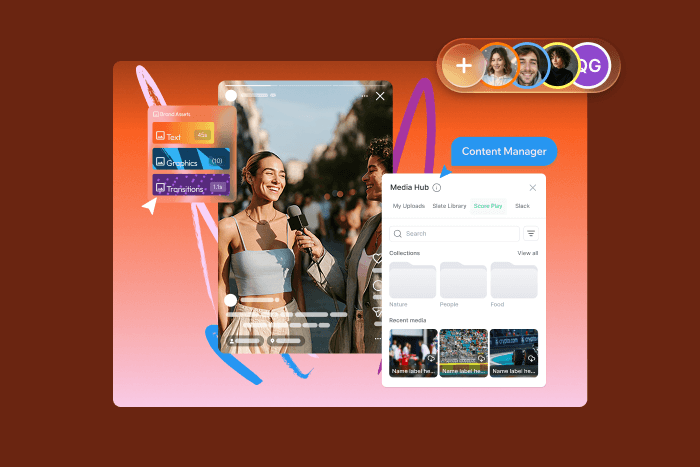
Key capabilities relevant to nano programs include brand-safe asset libraries (fonts, colors, logos, motion graphics), flexible templates sized for TikTok, Instagram Reels, and YouTube Shorts, and streamlined collaboration workflows between marketing teams and creators. Everything lives in one place, reducing the chaos of managing dozens of partnerships across scattered tools.
For example, a global sportswear brand equipped 120 nano runners in April 2024 with Slate templates to share training content ahead of a major race. Each creator customized content with their own footage and personal story while maintaining consistent brand visuals. The result was a library of authentic training content that performed well organically and provided assets for paid amplification.
Making It Easy for Nano Creators to Stay On-Brand
Slate lets brands lock in visual identity—colors, logos, motion graphics—while still giving creators room to adapt copy, footage, and storytelling. This balance is essential for nano partnerships where authenticity drives value but brand consistency matters for recognition.
This capability is especially helpful with nano creators who may not have access to full editing suites like Adobe Premiere or Final Cut. They can produce professional-quality content directly on their phones, using brand elements that are automatically applied rather than manually recreated.
Consider a beauty brand building Story, Reel, and TikTok templates for a September 2024 product drop. Seventy-five nano makeup creators customize content inside Slate, each adding their own footage, commentary, and styling while the brand’s visual identity remains consistent. The result feels authentic to each creator’s audience while building cumulative brand recognition across all 75 posts.
Scaling Nano Content into a Full-Funnel Asset Library
Each piece of nano content produced with Slate can be saved, tagged, and repurposed across channels. What starts as an organic Instagram Reel might become a paid TikTok ad, a landing page testimonial, a retail display clip, or an email campaign asset.
A practical workflow involves identifying the top 10 performing nano videos from a campaign and resizing them for ads across Instagram, TikTok, YouTube, and connected TV. Slate ensures every reused asset remains on-brand and consistent with the latest visual guidelines, even as it moves across platforms and contexts.
Think of nano campaigns not only as reach drivers but as engines for generating ongoing, evergreen creative. The content library you build through nano partnerships can continue driving big results long after individual posts stop appearing in feeds—making your investment in these creators compound over time.
Conclusion: Why Nano Influencers Belong in Your 2024 Strategy
Nano influencers combine authenticity, engagement, and affordability in a way that fits the 2024 social landscape perfectly. As consumers grow more skeptical of polished celebrity endorsements and algorithms increasingly favor genuine content, these everyday people with small but loyal followings are proving they can drive real business results.
Brands of every size—from emerging DTC startups to global enterprises—are using nano creators to fill their content pipelines and deepen community trust. The math works: higher engagement rates, lower costs per post, and content diversity that one or two big influencers could never provide.
If you haven’t tested nano influencer marketing yet, consider piloting a structured program with 20-50 creators over one quarter. Measure results against past macro-only efforts, and you may find that these smaller creators deliver surprisingly strong ROI. For an easier path to making these campaigns consistent and scalable, explore how Slate can streamline your nano influencer workflows—from branded templates to content approvals to repurposing top-performing assets across every channel.
Frequently Asked Questions
What is a nano influencer?
A nano influencer is a creator with a small but highly engaged audience, usually between 1,000 and 10,000 followers on platforms like Instagram, TikTok, or YouTube. Nano influencers are valued for their authenticity, niche relevance, and strong community trust.
How many followers does a nano influencer have?
A nano influencer typically has between 1,000 and 10,000 followers. Some brands include creators with as few as 500 followers, while others extend the range slightly higher depending on the platform, niche, and campaign goals.
Why are brands using nano influencers in 2024?
Brands are using nano influencers in 2024 because they offer higher engagement, lower costs, and more authentic audience relationships than larger creators. They also help brands test campaigns with less risk and generate diverse content at scale.
What are the benefits of working with nano influencers?
The main benefits of working with nano influencers are stronger authenticity, higher engagement rates, lower campaign costs, niche audience access, and scalable user-generated content. These advantages make nano creators especially effective for trust-driven and conversion-focused campaigns.
Are nano influencers better than macro influencers?
Nano influencers are often better than macro influencers for engagement, trust, and cost efficiency. Macro influencers are stronger for broad awareness and large-scale reach, while nano influencers are more effective when brands need authentic recommendations and closer audience relationships.
Which platforms are best for nano influencers?
Instagram and TikTok are the most common platforms for nano influencers because they support organic discovery through Reels, Stories, and algorithmic feeds. YouTube, podcasts, and niche long-form channels also work well for nano creators with highly loyal audiences.
How do brands find nano influencers?
Brands find nano influencers by searching hashtags, reviewing competitor audiences, using social listening tools, exploring platform search features, and identifying existing customers or fans who already post about the brand. Audience fit matters more than follower count alone.
How much do nano influencers charge in 2024?
In 2024, nano influencers often charge around $50 to $300 per post, depending on the platform, niche, and deliverables. Some partnerships use product gifting, affiliate commissions, or hybrid compensation models instead of flat fees only.
How do you run a successful nano influencer campaign?
To run a successful nano influencer campaign, set clear goals, define budget and compensation, create a simple creator brief, streamline approvals, track performance, and optimize in real time. Strong campaigns balance brand guidance with creator freedom.
What metrics should brands track in nano influencer campaigns?
Brands should track engagement rate, reach, impressions, saves, shares, clicks, conversions, cost per engagement, and cost per acquisition. Qualitative signals such as comment sentiment, DMs, and audience questions also help measure true campaign impact.
Can nano influencers drive sales?
Yes, nano influencers can drive sales, especially in niches where trust and personal recommendations matter. Their audiences often see them as relatable peers, which makes product endorsements feel more credible and can improve conversion rates.
How can Slate support nano influencer marketing?
Slate supports nano influencer marketing by giving creators brand-safe templates, shared visual assets, and streamlined approval workflows. This helps brands scale creator campaigns, maintain consistency, and turn nano content into reusable assets across multiple channels.