Slate Team
Key Takeaways
Video content is expected to make up more than 82% of all internet traffic in 2025, reinforcing that video and social media marketing are no longer optional they are the foundation of brand success in the modern digital landscape.
Short-form videos under 60 seconds on TikTok, Instagram Reels, and YouTube Shorts achieve 67% higher engagement than longer formats
Businesses using video in social media marketing see 49% faster revenue growth compared to those using static content alone
Platform-specific optimization is crucial - vertical 9:16 videos perform best on mobile-first platforms like TikTok and Instagram Reels
Live video generates 3x more engagement than pre-recorded content and drives 27% higher click-through rates on social platforms
The digital marketing landscape has undergone a seismic shift, and video campaigns have emerged as the undisputed champion of social media engagement. As we navigate through 2024 and into 2025, the convergence of video marketing and social media platforms has created unprecedented opportunities for brands to connect with their audiences in meaningful ways.
This transformation isn’t just about following trends—it’s about adapting to fundamental changes in how consumers discover, engage with, and make purchasing decisions based on an effective video marketing strategy that they encounter on social media sites. The statistics speak volumes: businesses leveraging video marketing strategy effectively are experiencing revenue growth rates that far exceed their competitors who rely solely on traditional content formats.
Whether you’re a seasoned marketer looking to refine your video strategy or a business owner looking to create social media videos and taking your first steps into social media video marketing, this comprehensive guide will equip you with the knowledge and tools needed to succeed in today’s video-first digital landscape.
What is Video and Social Media Marketing
Video and social media marketing represents the strategic integration of video content creation with social media distribution channels to achieve specific business objectives. This approach goes far beyond simply posting videos on video platforms—it involves creating compelling social media videos that are specifically optimized for each platform’s unique audience expectations and algorithmic preferences.
At its core, this marketing strategy combines the visual storytelling power of video marketing with the vast reach and targeting capabilities of social media platforms. The goal is to create brand videos that not only captures attention but also drives meaningful engagement, builds brand awareness, and ultimately converts viewers into customers.
The strategic approach involves understanding how video content serves different purposes throughout the customer journey. From initial brand discovery through consideration and conversion, digital video marketing efforts must align with broader business objectives while leveraging the specific strengths of each social media channel.
Statistics reveal that 91% of businesses now use video as a core component of their social media marketing strategy in 2024, representing a dramatic increase from previous years. This shift reflects not only changing consumer preferences but also the proven effectiveness of video in driving business results across various industries and target demographics.
The integration aspect is crucial—successful video and social media marketing requires seamless coordination between content creation, platform optimization, audience targeting, and performance measurement to create a cohesive marketing strategy that delivers measurable results.
Why Video Dominates Social Media Marketing in 2024-2025
Understanding why video has become the dominant force in social media marketing requires examining both technological advances and fundamental shifts in consumer behavior that have accelerated through 2024.
Attention Economy and Video Performance
The modern attention economy presents unprecedented challenges for marketers trying to capture and maintain consumer focus. Average attention spans have decreased to just 8.25 seconds in 2024, making video’s ability to communicate complex messages quickly more valuable than ever before.
Video content receives 1200% more shares than text and images combined on social platforms, demonstrating its superior ability to generate organic reach through user engagement. This sharing behavior occurs because video triggers emotional responses 2x faster than static content, leading to better brand recall and stronger connections between brands and their audiences.
Mobile video consumption has increased 17% year-over-year, with 75% of all video content now watched on mobile devices. This shift has fundamentally changed how brands must approach video creation, prioritizing vertical formats and closed captions in mobile-optimized viewing experiences that align with user behavior patterns.
The psychological impact of video extends beyond simple engagement metrics. Video marketing important because it combines visual, auditory, and often textual elements to create rich, multi-sensory experiences that help information retention and decision-making processes.
Algorithm Preferences and Reach
Social media platforms have restructured their algorithms to prioritize video content, recognizing its ability to increase user session times and overall platform engagement. Instagram’s algorithm now prioritizes Reels content, showing 67% more reach than traditional photo posts in 2024.
TikTok’s For You Page features video content exclusively, creating massive organic reach opportunities for brands that understand how to create engaging short form videos that align with platform culture and trending topics. This algorithmic preference has made TikTok and Instagram reels essential components of any comprehensive social media marketing strategy.
YouTube Shorts has emerged as a major competitor, receiving 30 billion daily views and offering brands another avenue for short form video content distribution. The platform’s integration with longer-form content creates unique opportunities for cross-promotion and audience development.
LinkedIn video posts generate 5x more engagement than other content types for B2B marketing, highlighting how platform-specific video strategies can significantly impact performance within professional networking contexts.
Platform-Specific Video Marketing Strategies
Successful video marketing requires understanding that each social media platform has distinct audience expectations, technical requirements, and cultural norms that influence content performance.
TikTok Video Marketing
TikTok’s algorithm favors videos between 15-60 seconds, with the most engaging content typically featuring a compelling hook within the first 3 seconds. The platform’s discovery-based model means that compelling in depth videos can achieve viral reach regardless of follower count, making it an attractive platform for brands of all sizes.
Trending audio usage has become a critical success factor, with videos incorporating popular sounds achieving 47% higher reach compared to those using original audio. This trend has led many brands to develop flexible video content that can be adapted to incorporate trending elements while maintaining brand consistency.
Hashtag strategies on TikTok work best with 3-5 relevant tags combined with participation in trending challenges. The platform’s hashtag system helps categorize content for algorithmic distribution while connecting videos to larger cultural conversations and movements.
User generated content campaigns have proven particularly effective, with initiatives like #TikTokMadeMeBuyIt driving $2.4 billion in purchases throughout 2023. These campaigns demonstrate how brands can leverage TikTok’s native culture of authentic, user-created content to drive measurable business results.
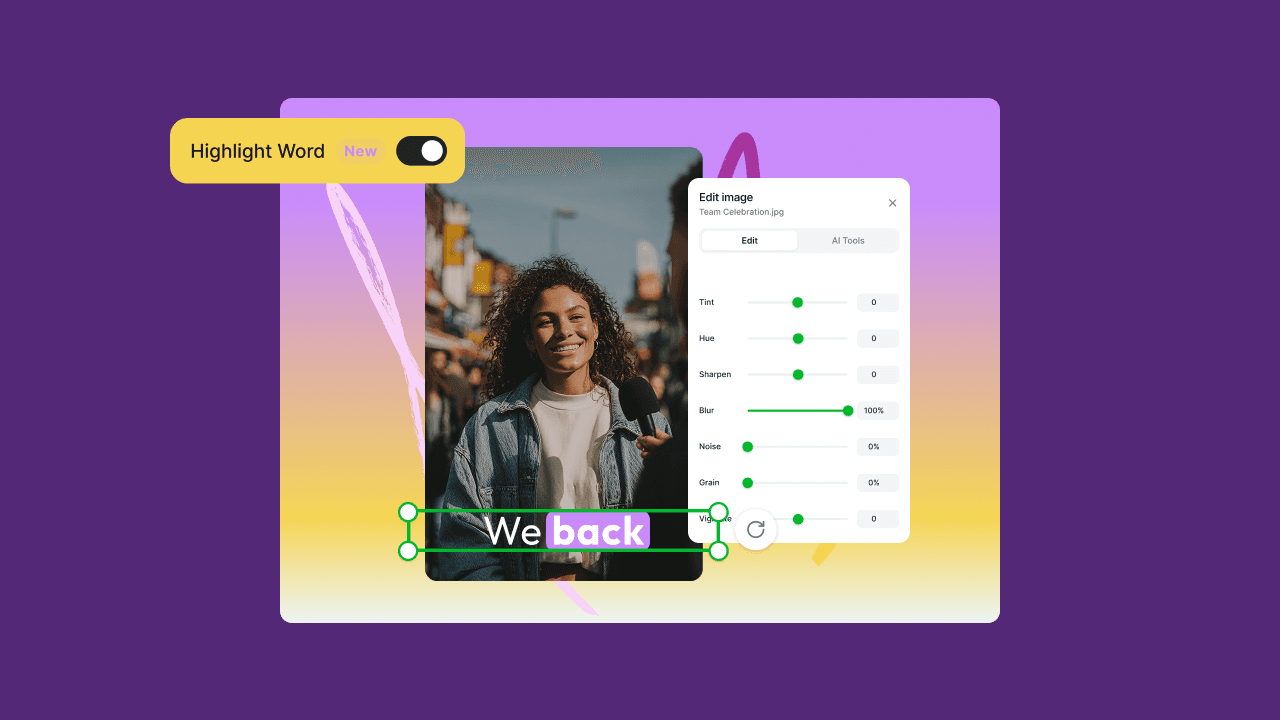
This is where Slate becomes a critical tool for brands looking to master TikTok marketing. With Slate’s Shortcuts feature, teams can efficiently create and repurpose vertical videos optimized for TikTok’s unique format and trends. The platform allows marketers to integrate trending audio, add branded overlays, and maintain visual consistency across every post. By streamlining editing, captioning, and collaboration, Slate helps brands stay agile in fast-moving TikTok trends—ensuring content remains authentic, engaging, and on-brand.
Instagram Video Marketing
Instagram Reels perform optimally at 15-30 seconds with a vertical 9:16 aspect ratio, designed specifically for mobile consumption. The platform’s integration of shopping features with video content has created new opportunities for direct conversion from video viewing to purchase completion.
Instagram Stories video ads achieve 3x higher completion rates than feed videos, making them particularly valuable for time-sensitive promotions and behind the scenes content that creates intimate connections with audiences. The ephemeral nature of Stories encourages immediate action while providing a less polished content format.
IGTV and Instagram Video support longer-form content up to 60 minutes, enabling detailed product demonstrations, tutorials, and educational content that serves mid-funnel marketing objectives. This longer format works particularly well for how to videos and in depth product explanations.
Shopping integration in Reels drives 2.1x higher conversion rates than standard video posts, highlighting the effectiveness of shoppable video features that reduce friction between discovery and purchase. These demo videos features represent the evolution toward social commerce integration.
Using Slate’s Shortcuts, teams can instantly resize content to 9:16 for Reels, add branded overlays, incorporate captions, and repurpose videos for Stories, IGTV, or feed posts—all while maintaining visual consistency. This dramatically speeds up production, ensures every video meets Instagram’s best-performing video style format requirements, and enables brands to take full advantage of Instagram’s shopping and engagement features with professional, scroll-stopping content.
YouTube Video Marketing
YouTube Shorts optimization focuses on vertical videos under 60 seconds designed to compete directly with TikTok’s format while leveraging YouTube’s superior search capabilities and long-term content discoverability through popular search engines.
Long-form content strategy remains crucial for educational content, detailed product demonstrations, and establishing thought leadership within specific industries. These videos often serve as cornerstone content that can be repurposed into multiple shorter formats for other platforms.
YouTube SEO tactics include keyword-optimized titles, detailed descriptions, and custom thumbnails that improve click-through rates from both search results and suggested video recommendations. The platform functions as both a social network and a search engine, requiring optimization for both contexts.
Community tab integration and premiere features enable audience engagement beyond video uploads, creating opportunities for real-time interaction and building anticipation around new content releases or product launches.
With Slate’s Shortcuts, marketers can quickly edit long videos into multiple polished short clips, apply consistent branding, and prepare SEO-ready visual assets—ensuring every YouTube upload performs at its highest potential while maintaining a cohesive brand identity.
LinkedIn Video Marketing
LinkedIn’s professional focus makes it ideal for thought leadership content, industry insights, and B2B marketing initiatives that position brands as authoritative voices within their respective industries.
Native video uploads receive 5x more engagement than shared YouTube links, emphasizing the importance of platform-specific content strategies rather than simple cross-posting approaches. This preference for native content reflects LinkedIn’s algorithm prioritization of content that keeps users within the platform.
LinkedIn Live streaming provides opportunities for webinars, company announcements, and real-time Q&A sessions that build professional relationships and demonstrate expertise to target audiences in professional contexts.
Employee advocacy videos showcasing company culture and individual expertise perform particularly well, as LinkedIn users respond positively to personal, professional content that humanizes brands while maintaining professional credibility.
Types of Social Media Videos That Drive Results
Understanding which video formats consistently drive engagement and conversions helps guide content planning and resource allocation across different marketing objectives and customer journey stages.
Short-Form Entertainment Videos
Behind the scenes content effectively humanizes brands by showing authentic moments, work processes, and company culture that builds emotional connections with audiences. This type of content performs particularly well because it satisfies curiosity while building trust through transparency.
Challenge and trend participation videos leverage viral hashtags and trending audio to increase discoverability while associating brands with popular cultural moments. Success requires balancing trend participation with brand authenticity to avoid appearing forced or opportunistic.
Quick tips and life hacks related to product usage or industry expertise provide immediate value while positioning brands as helpful resources. These videos work especially well for building audiences because they offer practical information that viewers want to save and share.
Day-in-the-life content featuring employees or customers using products naturally creates authentic social proof while demonstrating real-world applications. This format builds credibility through genuine use cases rather than polished promotional content.
Educational and Tutorial Videos
Step-by-step how to videos demonstrating product features and applications serve mid-funnel audiences who are actively researching solutions to specific problems. These explainer videos build confidence in purchase decisions by addressing practical usage questions.
Industry insight videos position brands as thought leaders and trusted resources within their fields. This content type works particularly well for B2B marketing and complex products that benefit from expert explanation and context.
Problem-solution videos address common customer pain points directly, making them highly valuable for customer testimonial videos and case study content that demonstrates real-world problem resolution. These videos often achieve high engagement because they address specific audience needs.
FAQ videos answer frequently asked questions in engaging visual formats, reducing customer service burden while providing valuable content for social media channels. This format works well for addressing objections and concerns that might prevent conversions.
Social Proof and Testimonial Videos
Customer success stories and case study videos build credibility by showcasing real results achieved by actual customers. These customer testimonial videos provide powerful social proof that influences purchasing decisions through peer validation.
User generated content featuring real customers using and reviewing products creates authentic endorsements that feel more trustworthy than brand-created promotional content. This format leverages the power of customer advocacy while building community around shared experiences.
Influencer partnership videos leverage trusted voices for brand endorsement, particularly effective when influencers have genuine relationships with products and audiences that align with brand target demographics.
Before-and-after transformation videos show tangible product results in compelling visual formats that clearly demonstrate value propositions. These videos work particularly well for products that create visible changes or improvements.
Creating High-Performance Social Media Videos
Producing effective video content requires balancing technical quality with creative storytelling while optimizing for platform-specific requirements and audience expectations.
Video Production Fundamentals
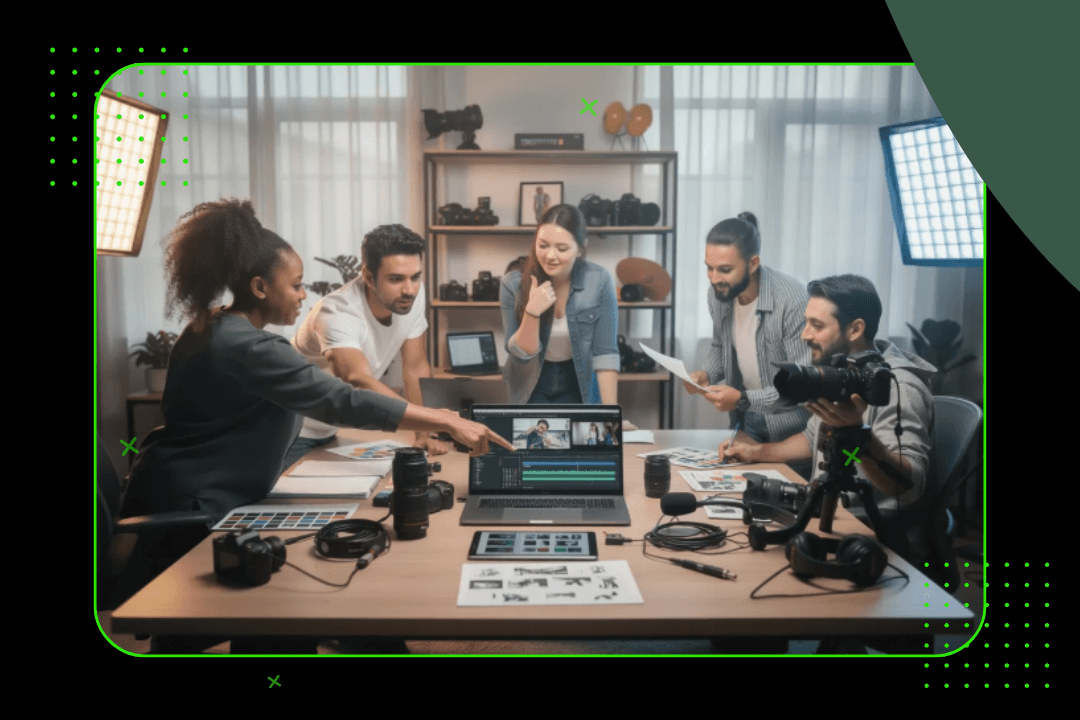
Equipment recommendations span from smartphone setups to professional camera gear, depending on budget and quality requirements. Modern smartphones with image stabilization and 4K recording capabilities can produce high quality videos suitable for social media when combined with basic accessories.
Lighting techniques using natural light and affordable LED panels significantly improve footage quality without requiring extensive technical expertise. Good lighting is often more important than expensive cameras for creating professional-looking content that engages audiences effectively.
Audio quality improvement through external microphones increases engagement by 33%, making clear audio recording a critical technical consideration. Poor audio quality causes viewers to abandon videos quickly, regardless of visual quality or content value.
Editing software options range from free tools like CapCut to professional platforms like Adobe Premiere, with many content creators finding success using accessible mobile apps that offer powerful editing capabilities without steep learning curves.
Content Planning and Scripting
Storyboard development ensures clear narrative flow and strategic call-to-action placement throughout videos. Planning visual sequences helps maximize impact while ensuring content stays focused on specific marketing objectives and target audience needs.
Hook creation techniques focus on capturing attention within the first 3 seconds through compelling visuals, surprising statements, or immediate value propositions. Strong hooks are essential for success across all social media platforms due to infinite scroll behavior.
Script writing varies significantly between different video lengths and platform requirements, with short form videos requiring extremely concise messaging while longer formats allow for more detailed explanations and storytelling development.
Brand consistency elements including visual style, color schemes, and messaging help create recognizable content that builds brand awareness even when videos are discovered outside of branded contexts or shared by other users.
Optimization for Social Platforms
Aspect ratio specifications vary by platform: 9:16 for vertical mobile-first platforms, 16:9 for horizontal platforms like YouTube, and 1:1 for square formats that work well across multiple platforms. Understanding these technical requirements prevents cropping issues and maximizes viewing quality.
Captions and subtitles increase engagement by 26% while improving accessibility for hearing-impaired viewers and enabling engagement in sound-off environments where many social media videos are initially viewed.
Thumbnail design for platforms like YouTube and LinkedIn significantly impacts click-through rates by providing compelling visual previews that encourage users to watch complete videos. Effective thumbnails combine clear imagery with readable text elements.
File size and quality optimization ensures fast loading across different internet speeds and devices, preventing abandonment due to technical issues while maintaining visual quality standards that reflect positively on brand professionalism.
Video Content Distribution and Promotion
Maximizing video reach and engagement requires strategic distribution approaches that extend beyond initial posting to include ongoing promotion and cross-platform amplification strategies.
Cross-Platform Content Strategy
Repurposing single video content for multiple platforms with format adjustments maximizes return on content creation investments while ensuring message consistency across different audience touchpoints. This approach requires understanding platform-specific optimization requirements.
Platform-specific posting schedules optimized for each audience’s active hours improve initial engagement rates, which influence algorithmic distribution and overall reach. Analytics tools help identify optimal timing patterns for specific audience segments.
Content calendar planning ensures consistent video publishing across channels while coordinating with broader marketing campaigns, product launches, and seasonal opportunities. Consistent publishing schedules help train both audiences and algorithms.
Cross-promotion techniques drive traffic between different social media accounts and platforms, helping build comprehensive audience networks that support overall marketing strategy objectives. This approach maximizes the value of each piece of video content.
Paid Social Video Advertising
Facebook and Instagram video ad formats include Stories, Reels, and feed placements, each offering different targeting options and optimization capabilities. Video ads often achieve higher engagement rates than static advertisements while providing better storytelling opportunities.
TikTok advertising options range from in-feed videos to branded hashtag challenges, enabling brands to leverage both traditional advertising approaches and platform-native promotional formats that feel organic to user experience.
YouTube advertising strategies include pre-roll, mid-roll, and YouTube Shorts ads that can target users based on viewing history, demographics, and interests. The platform’s diverse ad formats enable precise audience targeting and conversion tracking.
LinkedIn video ad targeting focuses on professional demographics and B2B audiences, making it particularly valuable for companies selling business solutions or recruiting talent. Professional context increases relevance for business-focused video content.
Measuring Video Marketing Performance
Effective video marketing requires comprehensive analytics approaches that connect video engagement metrics to broader business outcomes and return on investment calculations.
Key Performance Indicators
View completion rates indicate content quality and audience engagement levels, helping identify which video formats and topics resonate most strongly with target audiences. High completion rates often correlate with strong calls-to-action effectiveness.
Social engagement metrics including likes, comments, shares, and saves provide insight into content resonance and viral potential. Shares and saves typically indicate higher value perception than passive metrics like views or likes.
Click-through rates measure the effectiveness of calls-to-action in video content, directly connecting video engagement to website traffic and conversion funnel entry. Strong CTR performance often indicates clear value propositions and compelling offers.
Conversion tracking from video views to website visits, leads, and sales enables ROI calculation and budget optimization across different video types and promotional strategies. This data helps inform future content creation decisions.
Platform Analytics Tools
Instagram Insights provides detailed performance data for Reels and video posts, including reach, engagement, and audience demographic information that helps optimize content strategy and posting schedules for maximum effectiveness.
TikTok Analytics shows video performance metrics, audience demographics, and trending content insights that help creators understand what resonates with their specific audience segments while identifying opportunities for increased reach.
YouTube Analytics offers comprehensive data on watch time, audience retention curves, and revenue generation that helps optimize both content creation and monetization strategies. The platform’s detailed analytics support long-term channel growth planning.
Third-party analytics tools like Sprout Social and Hootsuite enable cross-platform performance tracking and competitive analysis that provides broader context for video marketing performance and industry benchmarking.
Future Trends in Video and Social Media Marketing
Understanding emerging trends and technologies helps brands prepare for the evolving landscape of video and social media marketing while identifying new opportunities for competitive advantage.
Interactive and Immersive Video
Shoppable videos allowing direct product purchases within social media platforms represent the future of social commerce, reducing friction between discovery and conversion while keeping users within familiar platform environments.
360-degree and VR video experiences create immersive brand interactions that differentiate companies from competitors while providing memorable experiences that build stronger emotional connections with audiences.
Interactive polls and quizzes embedded in video content increase engagement while providing valuable data about audience preferences and interests. These interactive elements transform passive viewing into active participation.
Augmented reality filters and effects enhance user generated content creation while providing branded experiences that users actively choose to engage with and share, extending brand reach through voluntary participation.
AI and Automation in Video Marketing
AI-powered video editing tools reduce production time and costs by 60% while maintaining quality standards, making professional-quality video content accessible to smaller businesses and individual creators with limited resources.
Automated video personalization creates custom content for different audience segments using data about viewing history, demographics, and preferences. This technology enables mass customization at scale.
Predictive analytics identify optimal posting times and content themes based on historical performance data and current trends, helping maximize reach and engagement through data-driven decision making.
Voice and facial recognition technology enables advanced video targeting and analytics that provide deeper insights into audience responses and emotional engagement with video content across different platforms.
FAQ
What’s the ideal length for social media videos in 2025? In 2025, the sweet spot for viral short-form videos remains 15–30 seconds, while more informative content performs best at 3–10 minutes on YouTube and 2–5 minutes on LinkedIn. Matching your video length to user intent and platform culture is what drives real engagement.
How much should businesses budget for video and social media marketing? Small businesses typically allocate 20-30% of their marketing budget to video content creation and promotion, while larger companies may invest 40-50%. Consider costs for equipment ($500-$5,000), editing software ($20-$100/month), and paid promotion ($500-$10,000/month depending on reach goals). Start small and scale based on results.
Which social media platform provides the best ROI for video marketing? This depends on your target audience and business type. TikTok shows highest engagement rates for Gen Z audiences, Instagram Reels work well for lifestyle and B2C brands, while LinkedIn video generates better results for B2B companies. YouTube provides longest-term value through search visibility and evergreen content. Test multiple platforms to find what works for your specific audience.
How often should brands post video content on social media? Consistency matters more than frequency. Aim for 3-5 videos per week across all platforms, with daily posting on TikTok and Instagram for maximum algorithm favor. Quality should never be sacrificed for quantity - one high-quality video weekly beats seven poorly produced ones. Use content calendars to maintain consistency.
What equipment do I need to start creating professional-looking social media videos? You can start with a smartphone (iPhone 12+ or Samsung Galaxy S21+), a tripod ($20-$50), external microphone ($50-$200), and ring light ($30-$100). Free editing apps like CapCut or InShot are sufficient for beginners. Invest in better equipment as your video marketing grows and budget allows. Focus on good lighting and clear audio over expensive cameras.