Slate Team
Building a strong presence as a content creator begins with understanding what successful content creation truly means and how to build visibility across social media. The roles and responsibilities of content creators vary greatly depending on their focus, medium, and niche. This article breaks down essential strategies that help aspiring creators establish their brand, create high-quality content, and grow a loyal audience online.
Key Takeaways
A content creator produces digital material such as videos, posts, blogs, graphics, and writing articles designed to inform, entertain, or provide entertaining or educational material to engage an audience.
Becoming a content creator requires strong branding, consistent posting, strategic platform selection, and a clear focus on audience value.
Social media content creation is essential for growth, as platforms like Instagram, TikTok, YouTube, and X offer massive reach and discovery potential.
Tools like Slate help creators streamline content creation, maintain visual consistency, and produce high-quality content faster.
Introduction: What Is a Content Creator?
A digital content creator is someone who produces content for social media, websites, or online platforms. This includes videos, photos, blogs, graphics, livestreams, online content, and any form of media that audiences consume online. Content creators create a variety of outputs, and a creator’s goal is to share ideas, experiences, and their personal expertise in ways that capture audience attention and inspire engagement.
In today’s digital era, being a content creator is more than just posting it is building a recognizable digital identity. With billions of users scrolling daily, creators have the opportunity to influence, educate, and entertain global audiences. Whether you want to become a social media content creator, an educational creator, or a full-time influencer, the creator economy offers huge potential for growth.
Becoming a successful content creator starts with understanding the platforms available, the needs of your audience, and the strategies that help you stand out online especially by focusing on your specific niche.
Understanding Social Media Content Creation
Social media content creation spans different platforms and involves designing social media posts, video content, stories, reels, or graphics that communicate a message and encourage interaction. Creators use social media channels to distribute their work and reach audiences. Popular platforms like TikTok, Instagram, YouTube, and Facebook allow creators to reach millions instantly. Each of these different platforms works differently and rewards specific types of content:
Instagram favors high-quality visuals, reels, social media posts, and storytelling.
TikTok highlights short-form, highly entertaining or relatable video content.
YouTube channel focuses on long-form video content, tutorials, and evergreen content.
X (Twitter) supports quick insights, threads, and community-driven conversations.
Knowing how each platform works allows you to design content that fits user preferences and improves visibility. It's important to learn how to create engaging content tailored to each platform's unique audience and format. Social media isn’t just a place to post—it’s a strategic ecosystem where creators share, build communities, and turn their passion into a profession.
Key Responsibilities of a Content Creator
A successful content creator wears many hats, balancing creativity with strategy to deliver engaging content that connects with their target audience. At the core, content creators are responsible for developing a robust content strategy that aligns with their brand and audience interests. This involves planning and executing the entire content creation process—from brainstorming ideas and producing content to editing, proofreading, and publishing across various social media platforms.
Beyond creation, content creators must actively promote their work, leveraging content marketing and social media marketing techniques to maximize reach and engagement. Monitoring performance data is essential; by analyzing metrics such as engagement rates and audience demographics, creators can refine their content strategy and adapt to changing audience preferences. Staying current with industry trends and continuously improving content creation skills ensures that creators remain relevant and effective in the fast-paced world of social media.
Setting Up Your Creator Identity
Before posting consistently, both professional content creators and freelance content creators must build a strong foundation. Independent content creators often develop unique identities to differentiate themselves. This includes:
Choosing Your Niche
A niche helps define what type of content you will create fitness, beauty, crypto, lifestyle, gaming, education, travel, or entertainment. A clear niche makes it easier to attract the right audience.
Crafting a Consistent Brand
Your personal brand includes your visual style, tone of voice, personality, and message. Consistency builds recognition and trust.
Creating Your Profiles
Optimize your social media accounts by creating profiles with a strong bio, professional photo, links to your website or channels, and a clear description of who you are. First impressions matter in the digital world.
The Role of Social Media in Becoming a Content Creator
Social media is the main driver behind the creator economy, with successful content creators playing a key role in shaping digital culture. With millions of users active every second, platforms offer creators unmatched access to visibility, community building, and monetization opportunities, including brand partnerships that help generate income and enhance credibility. The more consistently you show up, the more familiar your content becomes to audiences.
Algorithms reward creators who post engaging, relevant, and high-retention content. Social media influencers, a subset of content creators, have a significant impact on marketing by promoting brands, products, or services through their platforms. Whether you’re posting on TikTok or YouTube, your ability to capture attention in the first few seconds can determine how far your content spreads.
Creators who understand their audience, build strong audience relationships, adapt to content trends, and maintain consistent branding often experience faster growth and stronger engagement. Social media managers support creators by handling content creation, campaign planning, and social listening to optimize results. Having a well-defined social media strategy is essential for transforming individuals into recognizable creators and achieving long-term success if used strategically.
Key Metrics Every Content Creator Should Track
To grow as a creator, it’s essential to understand your analytics. These metrics help you refine your strategy and optimize your content:
Keyword research: Conducting keyword research is essential for optimizing your content for search engines and increasing discoverability.
Impressions
Shows how often your content appears on user screens an important indicator of reach.
Engagement Rate
Measures likes, comments, shares, and saves. High engagement signals valuable content.
Follower Growth
Tracks how quickly your audience is expanding.
Watch Time & Retention
Critical for platforms like YouTube and TikTok—longer watch times signal strong content quality.
Click-Through Rate (CTR)
If you post links, CTR reveals how compelling your captions or thumbnails are.
By monitoring these metrics, you can fine-tune your approach and create content tailored to your audience's preferences.
How to Choose the Right Platforms
Selecting the right social media platform is essential for maximizing your content’s impact and plays a crucial role in your digital marketing efforts. Your choice depends on:
Who your audience is
What kind of content you create
Your long-term goals
For example:
Visual creators thrive on Instagram and Pinterest.
Short-form creators succeed on TikTok and YouTube Shorts.
Long-form creators shine on YouTube or blogging platforms.
Educators and thought leaders do well on LinkedIn and X.
Some platforms, like LinkedIn and email newsletters, are also commonly used for company communications as part of a broader content strategy.
Choosing platforms where your target audience actively engages increases your chances of growth, visibility, and monetization.
Content Ideas and Inspiration
Generating fresh content ideas is a vital part of the content creation journey. Inspiration can strike from many sources, including trending topics on social media platforms, industry news, and direct feedback from your audience. Engaging with other creators, participating in online courses, and exploring educational material can also spark new concepts and approaches.
To consistently create compelling content, consider setting aside time for brainstorming sessions or using mind mapping techniques to organize your thoughts. Researching what’s popular on different social media platforms can reveal content gaps and opportunities. Analytics tools are invaluable for identifying what resonates with your audience and where you can offer something unique. By staying curious, open to learning, and connected to your community, you’ll never run out of content ideas that captivate and engage.
Creating High-Quality Content That Stands Out
High-quality content is what transforms a casual user into a recognized creator. This includes:
Strong storytelling
Clear visuals
Clean audio
Good editing
High-value information or entertainment
Developing a consistent creative process is essential for producing high-quality content regularly. Establishing routines and understanding your own creative workflow can help you maintain productivity and ensure your content remains engaging and original.
Content that sparks emotion whether laughter, curiosity, empowerment, or inspiration performs best. Your personality, style, and voice are your competitive edge. Creators who bring authenticity and originality to their content attract loyal followers.
Keeping your content fresh, aligned with trends, and visually optimized helps maintain audience interest and improve performance across platforms.
How Slate Helps Creators Build Better Content
As creators grow, so does the demand for fast, consistent, and high-quality content. Slate is designed for digital content producers and brands seeking to produce polished, on-brand content efficiently.
Slate supports creators with:
✔ Customizable templates for reels, posts, and stories
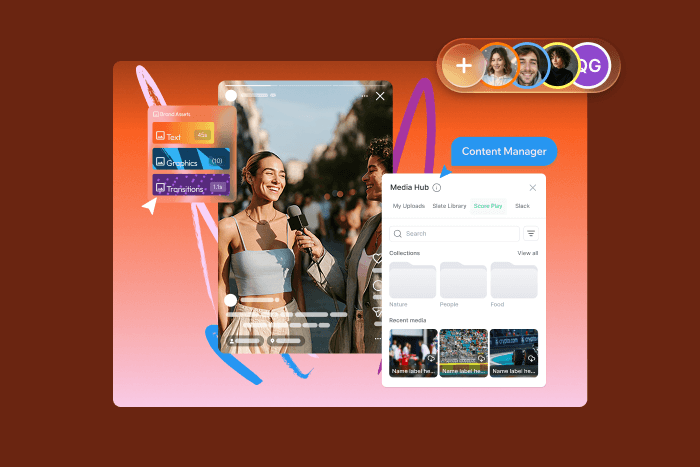
✔ Instant brand asset management
✔ Real-time editing across mobile and desktop
✔ Automated resizing for each social platform
✔ Shortcuts to repurpose content across multiple formats
✔ A centralized creative hub for teams and solo creators
Whether you're creating daily content or managing multiple channels, Slate helps streamline your workflow, maintain visual consistency, and produce engaging content quickly.
For creators looking to scale their presence, Slate is one of the best tools to simplify content production while maintaining professional quality.
Building Your Content Strategy
A well-designed content strategy makes your growth predictable and sustainable. A content writer plays a key role in developing and executing this strategy. This requires:
Understanding what your audience wants
Planning content ahead through a content calendar
Mixing formats (video, graphics, text, stories, reels)
Engaging with your community regularly
Testing content types to see what performs best
A strong content strategy not only builds your brand but also helps content creators earn money through various monetization methods, such as brand partnerships, freelance work, and advertising revenue.
You don’t need to post every day, but you must post consistently. Planning your strategy allows you to stay organized, inspired, and consistent with your output.
Distributing Your Content
Creating great content is only half the battle effective distribution ensures your work reaches the right audience. Successful content creators use a mix of social media platforms like YouTube, Instagram, and Facebook to distribute content and share their content with diverse groups of social media users. Hosting content on digital platforms such as blogs or personal websites can further expand your reach and establish your authority.
To maximize visibility, consider distributing your content across multiple platforms, tailoring your approach to fit the unique preferences of each audience. Email marketing, influencer partnerships, and paid advertising can amplify your message and attract new followers. By strategically planning your content distribution process, you increase engagement, build a loyal community, and set yourself up for long-term success in the digital landscape.
Leveraging User-Generated Content for Growth
User-generated content (UGC) is one of the quickest ways to grow online. When audiences remake your videos, duet your content, or share your posts, it increases your visibility and credibility.
UGC builds trust because recommendations from real people feel authentic. Encouraging your audience to use your hashtags, stitch your videos, or participate in challenges boosts your reach dramatically.
Creators who actively engage with their communities get more organic exposure and build stronger connections.
Using Paid Promotion to Accelerate Growth
Paid ads help creators boost visibility, especially during important launches or brand-building phases. Small budgets on TikTok, Instagram, or YouTube can significantly increase reach.
A/B testing different audiences and content types lets you understand which viewers respond best. Paid promotion should be used strategically it’s a tool to amplify your strongest content, not replace organic growth.
Collaborations and Influencer Partnerships
Collaborations are one of the fastest ways to grow as a creator. Working with other creators exposes you to new audiences and new communities.
Partnerships also increase your credibility, especially if you collaborate with respected voices in your niche. Cross-promotions, joint videos, giveaways, and livestreams help expand your visibility and build relationships within the creator community.
Running Social Media Campaigns and Challenges
Campaigns and interactive challenges help create excitement around your brand. Contests, themed content weeks, hashtag challenges, and participation-based giveaways drive engagement and attract new followers. Structured campaigns give your audience a reason to participate and keep your content dynamic.
The Importance of Consistency
Consistency builds recognition. When you show up regularly, audiences begin to anticipate your content.
Posting daily isn't necessary, but maintaining a predictable rhythm makes your content easier for algorithms to promote. Strong creators focus on:
Posting consistently
Maintaining a clear brand look
Keeping their message cohesive
Consistency builds trust and trust builds long-term audience loyalty.
Monetizing Your Content
Turning your passion for content creation into a sustainable income is a key goal for many creators. There are numerous ways to monetize your work, from partnering with brands for sponsored content to participating in affiliate marketing programs. Platforms like YouTube and TikTok offer opportunities to earn ad revenue based on the performance of your videos.
Successful content creators often diversify their income streams by selling products, offering online courses, or providing exclusive content to dedicated fans through memberships or subscription services. Understanding the creator economy and how to leverage different monetization strategies is essential for understanding how to be a content creator and maximizing your earning potential. By building a strong brand and consistently delivering value, content creators can transform their online presence into a thriving business.
Common Mistakes to Avoid
New creators often stumble by:
Posting low-quality visuals
Ignoring analytics
Copying instead of creating
Posting without strategy
Switching niches too often
Not engaging with followers
Failing to respect intellectual property rights, which can lead to legal and ethical issues
Avoiding these mistakes helps you grow faster and maintain a strong digital presence.
Using Social Listening Tools
Social listening tools reveal what audiences are saying about trends, niches, and creators. Tools like Sprout Social, Brandwatch, and native TikTok/Instagram analytics help creators understand trending topics and optimize their content strategy.
Listening to your audience ensures you stay relevant and create content that resonates.
Staying Up-to-Date with Industry Trends
In the ever-evolving world of digital content, staying informed about the latest industry trends is crucial for ongoing success. Content creators should regularly explore new social media platforms, experiment with entertaining or educational material, emerging content creation tools, and adopt innovative marketing strategies to keep their content fresh and relevant.
Attending workshops, webinars, and industry conferences can provide valuable insights and networking opportunities. Following thought leaders, reading industry blogs, and joining online communities help creators stay connected to shifts in the media landscape. By continuously developing valuable skills such as content writing, video production, and audio content creation creators can adapt their content creation process to meet changing audience expectations and maintain a competitive edge in the digital age.
Summary
Becoming a content creator is an achievable goal for anyone willing to invest time, creativity, and consistency. By understanding what content creation truly is, selecting the right platforms, producing high-quality content, and maintaining a consistent strategy, anyone can build a strong digital presence.
Tools like Slate make the process easier, helping creators produce polished, on-brand content efficiently—and ultimately supporting faster growth across platforms.
With the right approach, you can build your identity, grow your audience, and turn content creation into a long-term personal brand or career.
Frequently Asked Questions
What does a content creator do?
A content creator produces digital content—such as videos, graphics, blogs, social posts, livestreams, or tutorials—designed to inform, entertain, or engage an audience. Their role includes planning, filming, editing, posting, and interacting with their community.
How do I become a content creator?
You can become a content creator by choosing a niche, setting up your social media profiles, creating consistent content, and engaging with your audience. Over time, your skills, branding, and analytics help you refine your strategy and grow.
Do I need expensive equipment to start?
No. You can start with a smartphone, basic lighting, and free editing tools. As you grow, you can upgrade equipment gradually—but consistency, creativity, and value matter more than advanced gear.
Which platform is best for new creators?
It depends on your content type. TikTok and Instagram are ideal for short-form videos; YouTube is best for tutorials and long-form content; X and LinkedIn suit educational and professional creators. Choose the platform your target audience uses most.
What makes content “high-quality”?
High-quality content is clear, visually appealing, valuable, and engaging. It uses storytelling, strong editing, good audio, and a message that resonates with your audience. Content should either entertain, educate, inspire, or connect emotionally.
How often should I post as a content creator?
Consistency matters more than frequency. Posting 3–4 times a week is a strong starting point, but some creators grow with daily posts, while others thrive with weekly high-quality videos. Maintain a rhythm your audience can rely on.
How do content creators make money?
Creators can earn from brand deals, affiliate marketing, ad revenue, merchandise, subscriptions, livestream gifts, online courses, and user-generated content work (UGC). Monetization grows as your audience expands.
How can Slate help me as a creator?
Slate helps creators streamline content creation with customizable templates, brand asset libraries, real-time editing, and automatic sizing for every platform. It ensures consistent, professional visuals without needing advanced design skills—saving time and improving content quality.
How do I choose my niche as a creator?
Pick a niche based on your passions, skills, and the topics you can talk about consistently. A clear niche helps attract the right audience and makes your content more recognizable and searchable.
How do I increase engagement on my content?
Engage your audience through strong hooks, clear messaging, relatable topics, storytelling, trends, and community interaction. Respond to comments, ask questions, create shareable content, and encourage participation through challenges or polls.