Slate Team

Most brands treat social media like a creative problem, when in reality it’s closer to an operational one. The posts, videos, and memes are outputs, and what actually determines whether your social media program thrives or collapses under its own weight is the system behind those outputs — meaning how work gets assigned, reviewed, approved, and published.
This guide to social media operations is built to help you design that system from scratch, or fix the one that's currently held together with Slack threads and good intentions. Whether you're running a two-person team or coordinating across a 30-person department, the operational backbone matters more than any single piece of content you'll ever publish. Let's get into the mechanics.
Defining Social Media Operations and Its Core Pillars
Social media operations is the discipline of building repeatable, reliable systems that allow a team to produce and distribute content at scale. It's distinct from the creative act of making content. Think of it as the factory floor, not the design studio. Operations covers everything from who does what, to how decisions get made, to what tools you use, to how you measure outcomes. Without it, even the most talented creative team will bottleneck on approvals, miss deadlines, and burn out.
The Difference Between Social Media Marketing and Operations
Marketing answers the question "what should we say and to whom?" Operations answers "how do we actually get it done, consistently, without losing our minds?" Marketing is the strategy deck. Operations is the production schedule, the approval chain, the escalation protocol, and the reporting cadence. A strong marketing strategy without operations behind it produces sporadic brilliance. Strong operations without marketing strategy produces efficient mediocrity. You need both, but most teams over-invest in strategy and under-invest in the systems that bring it to life.
Key Components: Strategy, Execution, and Governance
Three pillars hold up any functional social media operation. Strategy sets the direction: audience, platforms, content themes, and goals. Execution is the daily machinery of creating, scheduling, publishing, and engaging. Governance is the often-neglected third pillar: brand guidelines, approval workflows, compliance rules, and escalation policies. Skip governance, and you'll eventually have a rogue post that makes the CEO's phone ring at dinner.
Building a High-Performance Social Media Team
Your team structure shapes everything. The wrong setup creates confusion about ownership, duplicated effort, and creative stagnation. The right one gives people clear lanes and enough autonomy to move fast.
Essential Roles: From Content Creators to Community Managers
A mature social media team typically needs a few distinct roles, even if one person wears multiple hats:
Content creators who produce copy, graphics, and video
A community manager who handles replies, DMs, and comment moderation
A strategist or lead who sets direction, manages the calendar, and reports on performance
A paid media specialist if you're running ads (and you probably should be)
Smaller teams collapse these into two or three people. That's fine, as long as responsibilities are explicitly assigned. The worst situation is when "everyone does social" and nobody actually owns it.
In-house vs. Agency Models: Choosing the Right Structure
In-house teams know your brand voice intuitively and can react in real time. Agencies bring cross-industry perspective and specialized talent you might not be able to hire full-time. The hybrid model, where an in-house lead manages strategy and community while an agency handles creative production, has become increasingly popular in 2026. The deciding factors are usually budget, volume, and how much institutional knowledge your social presence requires. If your brand voice is highly specific or your industry is heavily regulated, lean in-house.
Streamlining Content Workflows and Approval Processes
This is where most social teams quietly lose hours every week. Content gets created, then sits in someone's inbox waiting for approval. Feedback arrives scattered across email, Slack, and text messages. Versions multiply. Deadlines slip. Fixing this is often the single highest-impact operational improvement you can make.
Developing an Omnichannel Content Calendar
Your content calendar shouldn't just list what's posting and when. It should map content across platforms, tie posts to campaigns or business objectives, and show the status of each piece in the production pipeline. A good calendar answers three questions at a glance: what's live, what's in progress, and what's stuck.
Establishing Quality Control and Brand Safety Protocols
Every piece of content should pass through a defined review process before it goes live. But who reviews copy for accuracy? Who checks brand voice? Who has the final sign-off? Document these steps once, and they become automatic. Brand safety also means having a list of topics, phrases, and visual elements to avoid. This is especially critical if you're using AI-generated content drafts, which can introduce tone or factual issues that a human eye needs to catch.
The Social Media Tech Stack: Tools for Efficiency
Your tools should reduce friction, not add it. The average social media team in 2026 uses between five and nine different platforms to get content from idea to published post. That's too many. Consolidation is the goal.
Publishing and Scheduling Software
At minimum, you need a tool that lets you schedule posts across multiple platforms, preview how they'll look, and track publishing status. Native platform tools (Meta Business Suite, TikTok's scheduling feature) work for small operations. Once you're managing more than two or three channels, a dedicated publishing tool saves real time. Look for one that integrates with your approval workflow so you're not copy-pasting between systems.
Social Listening and Sentiment Analysis Tools
Posting content is only half the job. You also need to know what people are saying about your brand, your competitors, and your industry. Social listening tools like Brandwatch, Sprout Social, or Meltwater track mentions, hashtags, and sentiment trends. This data feeds directly into your content strategy and gives your community managers early warning when negative sentiment is building. In 2026, most of these tools include AI-powered trend detection that surfaces relevant conversations before they peak.
Digital Asset Management (DAM) for Social Media
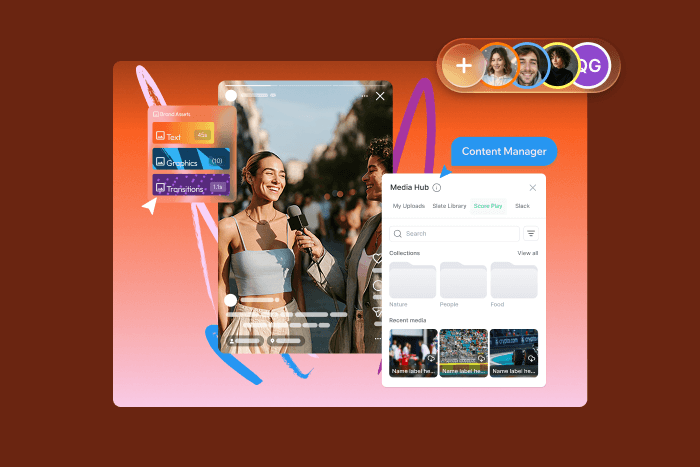
If your team has ever spent 20 minutes searching Slack for "the final version of that video with the updated logo," you need a DAM system. A centralized asset library stores approved logos, templates, fonts, video clips, and photography in one searchable location. Slate functions as both a DAM and a content production hub, which means your team can find assets, edit them, get approval, and publish without switching between four different apps. That kind of consolidation is what separates teams that produce 10 posts a week from teams that produce 50.
Managing Community Engagement and Crisis Response
Community management is where your brand's personality lives. It's also where things can go sideways fast. Having clear procedures for everyday engagement and emergency situations keeps your team confident and your brand protected.
Standard Operating Procedures for Customer Interaction
Write down your rules of engagement and make them available to every team member. Your SOPs should cover response time targets (most brands aim for under two hours during business hours), tone guidelines for different scenarios, and escalation triggers. When should a community manager handle something independently, and when should they loop in a manager or legal? A simple decision tree can prevent a lot of 2 a.m. panic texts.
Common SOP elements include:
Response templates for FAQs (customized, not robotic)
Guidelines for handling negative comments versus trolling
Rules about when to take conversations to DMs
Protocols for flagging potential legal or PR issues
Crisis Communication Frameworks and Escalation Paths
Every brand will face a social media crisis eventually. Maybe it's a product recall, a controversial employee statement, or a viral complaint. The time to build your crisis framework is before you need it. Define severity levels (minor complaint versus trending hashtag versus national news), assign decision-makers for each level, and pre-draft holding statements that can be adapted quickly. Run a tabletop exercise with your team at least once a year. The brands that handle crises well are prepared.
Measuring Success Through Data and Reporting
If you can't measure it, you can't improve it. But the wrong metrics will send you chasing vanity instead of value.
Identifying Meaningful KPIs vs. Vanity Metrics
Follower count feels good, but it rarely correlates with business outcomes. The KPIs that actually matter depend on your goals, and they typically include engagement rate, click-through rate, conversion rate from social traffic, and share of voice relative to competitors. If you're running a brand awareness campaign, reach and impressions matter more. If you're driving sales, track attribution. The key is picking three to five metrics that connect to business objectives and ignoring the rest.
Automating Performance Reports for Stakeholders
Your CMO doesn't want to log into five dashboards. Build automated reports that pull data from your platforms into a single view, delivered weekly or monthly depending on stakeholder needs. Tools like Looker Studio, Supermetrics, or your social management platform's built-in reporting can handle this. Spend your time on analysis and recommendations, not on manually assembling spreadsheets. A good report tells a story: here's what we did, here's what happened, here's what we're changing.
Future-Proofing Your Social Media Infrastructure
The platforms will change. Algorithms will shift. New formats will emerge. Your operations framework should be built to absorb these changes without a full rebuild every six months. That means investing in flexible tools rather than platform-specific solutions, cross-training your team so no single person is a bottleneck, and reviewing your processes quarterly.
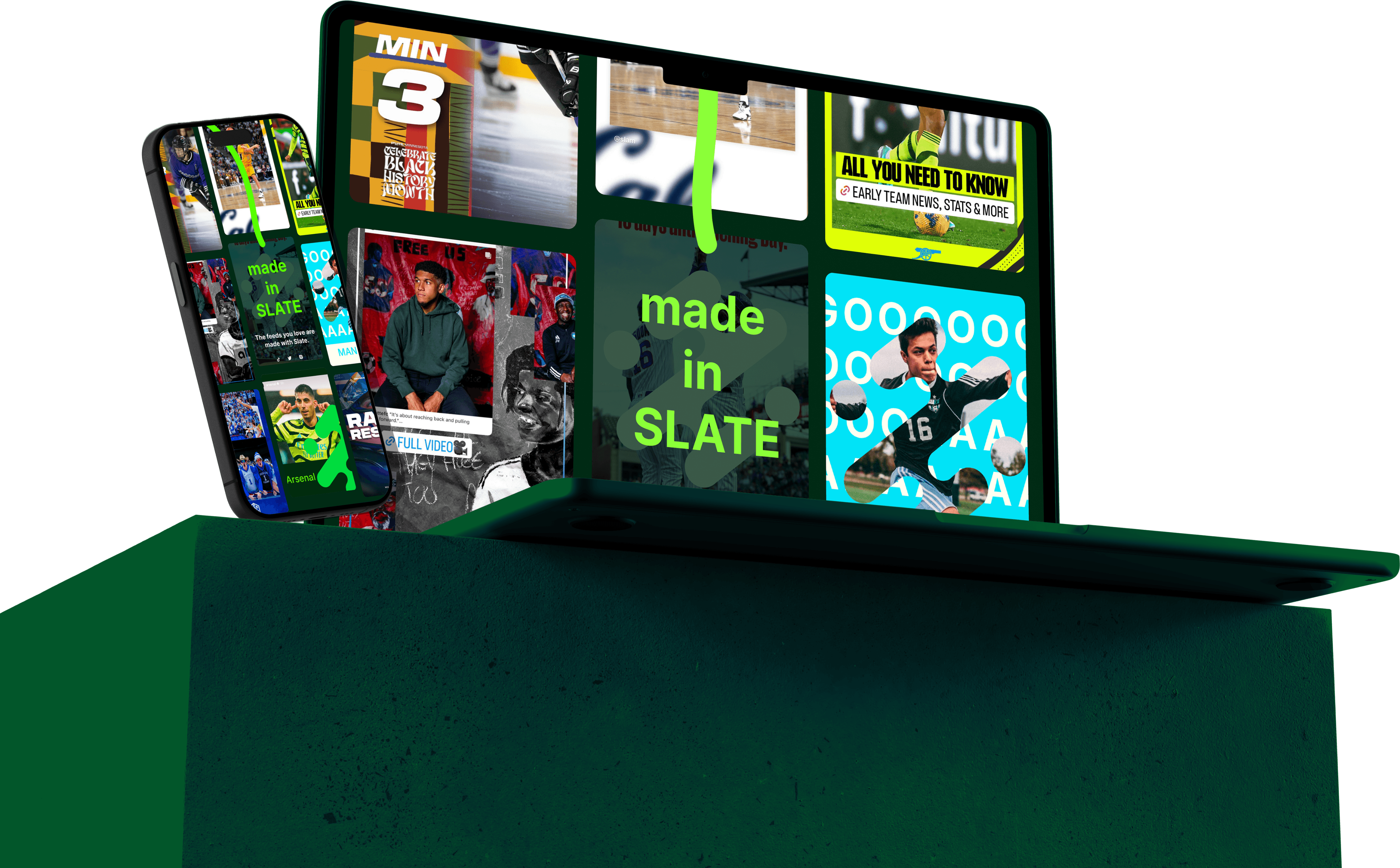
It’s true that AI is reshaping content production in 2026, but the teams making tactful content are leveraging AI strategically rather than performatively. Platforms like Slate are designed around this philosophy, accelerating production without removing the human decisions that make content resonate.
The ultimate guide to running social media operations smoothly is less about content and more about the scaffolding and foundations that make good content possible. Start by auditing your current workflow, identify the biggest bottleneck, fix that one thing, and then move to the next. Operational excellence is ultimately an iterative process, and essential habit.